


Next-Generation Cell Analysis: Why Flow Cytometry Matters Today
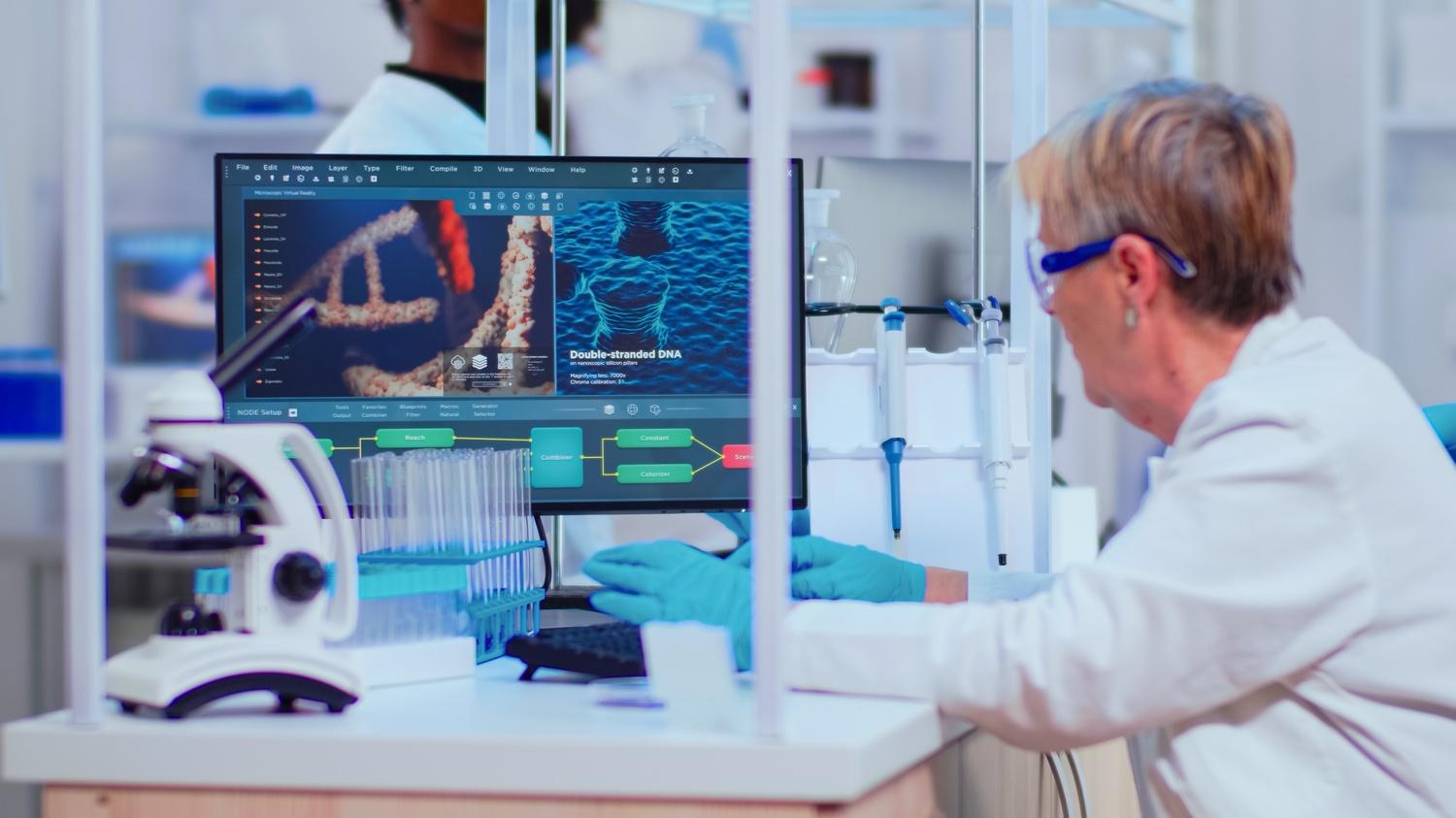
In today’s rapidly evolving world of life sciences and biotechnology, understanding cells at a deeper level has become more important than ever. From disease diagnosis to drug development and advanced therapies, accurate cell analysis plays a critical role in shaping modern healthcare. Among the many technologies available, flow cytometry stands out as a powerful and versatile tool that continues to drive innovation.
As we move into the era of precision medicine and personalized therapies, flow cytometry is no longer just a laboratory technique—it is a cornerstone of next-generation cell analysis.
What Is Flow Cytometry?
Flow cytometry is a technology used to analyze the physical and chemical characteristics of cells or particles as they pass through a laser beam in a fluid stream. By labeling cells with fluorescent markers, scientists can measure multiple parameters simultaneously, including size, complexity, and protein expression.
This ability to perform multi-parameter analysis at high speed makes flow cytometry an essential tool in both research and clinical settings.
The Evolution of Flow Cytometry
Flow cytometry has come a long way since its early development. Initially used for basic cell counting and analysis, it has now evolved into a highly sophisticated system capable of analyzing thousands of cells per second with exceptional precision.
Modern advancements include:
Multi-color fluorescence detection
High-throughput screening capabilities
Integration with automation and software analytics
Enhanced sensitivity for detecting rare cell populations
These innovations have significantly expanded the scope and applications of flow cytometry in modern science.
Why Flow Cytometry Matters Today
1. Enabling Precision Medicine
One of the biggest shifts in healthcare is the move toward precision medicine—where treatments are tailored to individual patients. Flow cytometry allows researchers to analyze specific cell populations and identify biomarkers that guide personalized treatment strategies.
2. Advancing Cancer Research
In oncology, flow cytometry is used to study tumor cells, monitor disease progression, and evaluate treatment responses. It helps in identifying cancer subtypes and understanding how they interact with the immune system, which is crucial for developing targeted therapies.
3. Supporting Immunology and Infectious Disease Research
Flow cytometry plays a key role in analyzing immune cell populations and understanding immune responses. This is particularly important in vaccine development, autoimmune diseases, and infectious disease research.
4. Accelerating Drug Discovery
Pharmaceutical companies rely on flow cytometry to assess drug efficacy and toxicity at the cellular level. It enables rapid screening of compounds, helping researchers identify promising drug candidates faster.
Applications in Advanced Therapies
As cell and gene therapies gain momentum, flow cytometry has become indispensable in their development and production. It is widely used for:
Cell characterization and selection
Quality control and release testing
Monitoring cell viability and functionality
For example, in therapies like CAR-T, flow cytometry helps ensure that engineered cells meet strict quality standards before being administered to patients.
The Role of Automation and Data Analytics
One of the most exciting aspects of next-generation flow cytometry is its integration with automation and advanced data analytics. Modern systems can handle large volumes of samples with minimal human intervention, improving efficiency and reducing errors.
Additionally, sophisticated software tools enable researchers to analyze complex datasets with ease, providing deeper insights into cellular behavior. This combination of automation and analytics is transforming how laboratories operate and accelerating scientific discoveries.
Challenges and Opportunities
Despite its many advantages, flow cytometry does come with certain challenges. These include high equipment costs, the need for skilled professionals, and the complexity of data interpretation.
However, ongoing technological advancements are addressing these issues. The development of user-friendly interfaces, cost-effective solutions, and AI-driven analysis tools is making flow cytometry more accessible to a wider range of laboratories.
This creates new opportunities for innovation and collaboration across the life sciences industry.
In this rapidly advancing landscape, organizations like Xellera Therapeutics are playing a crucial role in supporting next-generation cell analysis. With expertise in GMP-compliant manufacturing and advanced analytical services, Xellera Therapeutics helps integrate technologies like flow cytometry into real-world applications.
Their capabilities in bioanalytical testing, quality control, and release testing ensure that cell-based products meet the highest standards of safety and efficacy. By supporting biotech and pharmaceutical companies, Xellera Therapeutics contributes to the development of innovative therapies that are transforming patient care.
The Future of Flow Cytometry
The future of flow cytometry is incredibly promising. Emerging trends include:
Development of compact and portable devices
Increased use in clinical diagnostics
Expansion into single-cell analysis and multi-omics
These advancements will further enhance the capabilities of flow cytometry, making it an even more powerful tool for understanding complex biological systems.
Conclusion
Flow cytometry has firmly established itself as a cornerstone of modern cell analysis. Its ability to deliver fast, accurate, and multi-dimensional insights into cellular behavior makes it indispensable in today’s scientific and medical landscape.
As the demand for precision medicine and advanced therapies continues to grow, the importance of flow cytometry will only increase. With ongoing innovations and the support of industry leaders like Xellera Therapeutics, this technology is set to play an even greater role in shaping the future of healthcare.
In a world where understanding cells is key to unlocking better treatments, flow cytometry stands at the forefront—driving progress, enabling innovation, and improving lives.