
 Written by
Uneven facial contours can occur because of natural asymmetry, differences in facial fat distribution, aging, or changes following an injury or previous procedure. Fat transfer surgery can help improve selected areas by adding volume where fullness is lacking. The procedure uses fat collected from the patient’s own body and places it into targeted areas to create a more balanced appearance. Fat Transfer Surgery in Dubai may be considered by individuals seeking to improve facial proportions through a personalised treatment plan. The suitability of this approach depends on the cause of the unevenness, the available donor fat, and the patient’s overall health.
Understanding the Causes of Uneven Facial Contours
Facial asymmetry is common, and most people have small differences between the two sides of their face. However, noticeable unevenness may develop when one cheek has less volume than the other, the temples appear hollow, or fat distribution changes with age. Previous injuries and surgical procedures can also affect facial contours. Identifying the underlying cause is important because fat transfer is primarily designed to restore volume. It may help when a hollow or depressed area contributes to the uneven appearance, but it cannot correct every concern related to bone structure, muscle function, or loose skin.
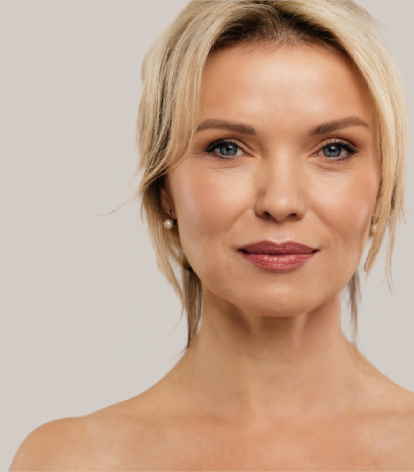
Restoring Volume in Hollow Facial Areas
Fat transfer can improve selected facial contours by adding fullness to areas that lack volume. A practitioner collects fat from a suitable donor area, processes it, and injects small amounts into targeted regions. Depending on the patient’s needs, treatment may involve the cheeks, temples, or other areas where volume loss affects facial balance. Adding volume to a hollow area may create a smoother transition between surrounding features. The amount of improvement depends on the patient’s anatomy, the placement technique, and how much of the transferred fat survives after treatment.
Improving Cheek Symmetry and Facial Balance
Differences in cheek fullness can make the face appear uneven, especially when one side has less volume than the other. Fat transfer may help reduce this difference by adding carefully measured amounts of fat to the less full side. The goal is to improve overall balance without making the cheeks appear excessively prominent. However, cheek asymmetry may also result from differences in bone structure, muscle activity, or natural facial development. A practitioner should evaluate these factors before treatment because adding fat cannot reliably correct asymmetry caused mainly by underlying skeletal differences.
Creating Smoother Facial Transitions
Uneven facial contours may become more noticeable where one area meets another, such as the cheeks and temples or the lower eyelids and midface. When volume loss creates a hollow appearance, fat transfer may help soften the transition between these regions. Carefully placed fat can improve fullness and reduce the visual contrast between adjacent areas. The procedure does not guarantee perfectly smooth contours, and the final appearance depends on the amount of fat retained during healing. A personalised plan helps determine whether fat transfer alone is suitable or whether another treatment may be needed.
Understanding the Limits of Fat Transfer Surgery
Fat transfer can improve contour irregularities caused by volume deficiency, but it is not suitable for every type of facial unevenness. Differences caused by prominent bones, significant skin laxity, muscle weakness, or certain structural conditions may require other approaches. Some of the transferred fat is naturally reabsorbed, and uneven retention can affect the final result. Possible complications include swelling, bruising, infection, lumps, contour irregularities, and, rarely, serious vascular complications. Patients should discuss these risks with a qualified medical professional and understand that complete symmetry cannot be guaranteed.
Checkpoints Before Choosing Fat Transfer Surgery
A careful assessment helps establish whether fat transfer can address the specific cause of uneven facial contours. Patients should discuss their concerns, medical history, and expectations before deciding on treatment.
Cause of asymmetry: Determine whether the unevenness results from volume loss, bone structure, skin laxity, or another factor.
Donor fat availability: Confirm that a suitable area is available for fat collection.
Facial assessment: Evaluate both sides of the face and identify areas where volume restoration may improve balance.
Realistic expectations: Understand that perfect symmetry is rarely achievable and results vary between individuals.
Recovery requirements: Allow time for swelling, bruising, and temporary unevenness to settle.
Potential complications: Discuss infection, lumps, contour irregularities, fat absorption, and other procedure-related risks.
Frequently Asked Questions
Can Fat Transfer Correct Facial Asymmetry?
Fat transfer may improve asymmetry when differences in facial fullness are caused by volume loss. It can add volume to selected areas to make facial contours appear more balanced. However, it cannot correct every cause of asymmetry, and the extent of improvement depends on the individual’s facial structure.
Which Facial Areas Can Be Treated With Fat Transfer?
Common treatment areas include the cheeks, temples, and selected hollow regions around the face. The practitioner determines where fat placement may improve proportions after assessing the patient’s anatomy and concerns. Not every facial area is suitable for treatment.
Does Fat Transfer Provide Permanent Results?
Some transferred fat is absorbed by the body during healing, while the portion that survives may provide long-lasting volume. The retained amount varies, and future aging or weight changes can influence facial appearance. Additional treatment may sometimes be considered if further volume restoration is desired.
Is Fat Transfer Suitable for Uneven Cheeks?
It may be suitable when one cheek appears less full because of volume loss. The practitioner assesses the cause of the difference and determines whether carefully placed fat could improve balance. Differences caused mainly by bone structure may require a different approach.
What Is the Recovery Period After Facial Fat Transfer?
Recovery varies depending on the amount of fat transferred and the areas treated. Swelling, bruising, tenderness, and temporary unevenness are common during the initial healing period. Following aftercare instructions and attending follow-up appointments can help the practitioner monitor recovery and assess the developing result.
Professional Guidance at Dynamic Life Clinic
Choosing a suitable treatment begins with identifying why facial contours appear uneven. At Dynamic Life Clinic, patients can discuss their aesthetic concerns, medical suitability, expected outcomes, and recovery requirements during a personalised consultation. A practitioner can assess whether fat transfer may improve areas affected by volume loss or whether another procedure would better address the underlying cause. Understanding the benefits, limitations, and possible complications helps patients make informed decisions about facial contour enhancement.
Conclusion
Fat transfer surgery may help improve uneven facial contours by restoring volume to hollow areas and creating more balanced facial proportions. It is most useful when a lack of fullness contributes to the asymmetry rather than when the cause is primarily structural. Because some transferred fat may be absorbed and individual results vary, complete symmetry cannot be guaranteed. A professional assessment and realistic expectations are important when considering treatment.