
 Written by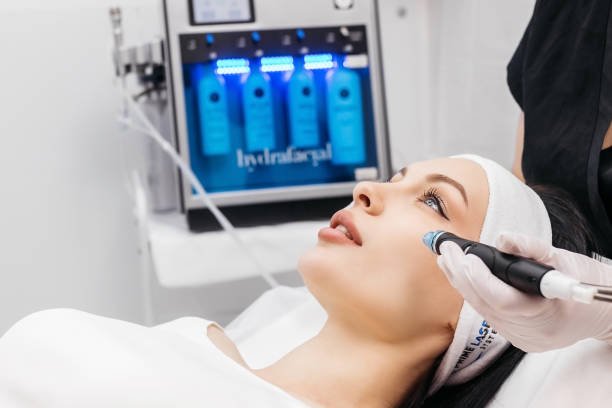
Rough skin texture often comes from several small problems happening at once: surface buildup, dehydration, congestion and uneven shedding of dead skin cells. HydraFacial Treatment in Dubai can help address some of these surface-level concerns by combining exfoliation, cleansing, extraction and hydration in one treatment.
The important distinction is that “uneven texture” is not a diagnosis. A bumpy forehead caused by congestion is different from acne scarring or deeper changes in the dermis, so the treatment needs to match the reason behind the texture.
What Actually Makes Skin Look Rough?
Smooth-looking skin depends partly on how evenly light reflects from its surface.
When dead cells accumulate, pores become congested or the skin becomes dehydrated, that surface can look less even. Tiny variations that are barely noticeable in a mirror can become much more obvious under strong lighting or a phone camera.
Surface Texture and Deeper Scarring Are Different
This is where expectations matter.
A superficial rough texture can respond to treatments that improve cleansing and exfoliation. A depressed acne scar, however, involves structural changes deeper in the skin and may require a different treatment strategy.
A facial should not be presented as a way to erase established scars.
Dehydration Can Emphasize Fine Texture
When the skin lacks adequate water, fine lines and small surface irregularities can become more noticeable.
This does not mean every textured complexion is dehydrated. It simply means hydration is one of several factors worth considering during assessment.
How HydraFacial Addresses Surface Texture
HydraFacial combines several treatment stages rather than relying on exfoliation alone.
The exfoliation stage helps remove superficial buildup, while extraction can address suitable areas of congestion. The hydration stage then focuses on leaving the skin feeling more comfortable and refreshed.
Exfoliation Is About Control
More exfoliation is not automatically better.
The outermost layer of skin provides an important barrier. Overworking it can leave the complexion irritated rather than smoother.
For that reason, treatment intensity should reflect skin sensitivity and the actual condition of the surface.
Congestion Can Change Texture
A cluster of blocked follicles can make a normally smooth area feel uneven.
This is particularly noticeable around the nose, chin and forehead. Addressing appropriate congestion can improve how the skin looks and feels without trying to physically “shrink” every pore.
Why Dubai Conditions Can Make Texture More Noticeable
Dubai’s environment creates a combination of factors that can affect how the skin behaves.
Outdoor heat and sun exposure are followed by long periods in air-conditioned environments. Add sunscreen, makeup, travel and changing humidity, and the skin’s surface can become harder to keep balanced.
Indoor AC and Outdoor Heat Are Very Different
A person can move between two very different environments several times in one day.
That does not automatically cause rough skin, but it can contribute to changes in comfort and hydration, particularly when the daily skincare routine is not adapted to those conditions.
Travel Can Change the Skin’s Appearance
Frequent international travel introduces another variable.
Cabin air, different climates, altered sleep schedules and hotel skincare products can all affect how the complexion looks temporarily.
This is one reason a skin assessment is more useful than assuming every rough patch needs stronger exfoliation.
Patient Questions About Uneven Texture
“My skin feels rough. Does that mean I need a stronger peel?”
Not necessarily. Roughness can have different causes. A professional assessment helps determine whether the issue is mainly surface buildup, congestion, dehydration or something deeper.
“Will HydraFacial remove acne scars?”
It should not be marketed that way. Surface texture may improve, but established atrophic or deeper acne scars involve structural changes that may require other treatments.
“Can oily skin still have rough texture?”
Yes. Oil production does not guarantee a smooth surface. Sebum can mix with dead cells and contribute to congestion.
HydraFacial Compared With Other Texture Treatments
| Treatment | Main target | Surface exfoliation | Useful for deeper scars |
|---|---|---|---|
| HydraFacial | Surface buildup, congestion and hydration | Yes | Limited |
| Chemical peel | Controlled chemical exfoliation | Yes | Depends on peel and scar |
| Microneedling | Collagen remodeling | Not its main purpose | Can be considered for selected scars |
| Medical acne treatment | Active acne and inflammation | Depends on treatment | Not primarily |
These treatments work differently.
Choosing between them should depend on what is actually creating the uneven texture rather than simply selecting the treatment with the strongest-sounding name.
When a HydraFacial May Make Sense
The treatment may be worth discussing when the main concern is dullness, mild congestion, surface roughness or a dehydrated-looking complexion.
For someone with active inflammatory acne, significant redness, unexplained irritation or pronounced scarring, a broader clinical assessment may be more appropriate.
Patients considering [HydraFacial for uneven skin texture in Dubai] should describe what the texture feels like, where it occurs and how long it has been present.
A Practical Treatment Roadmap
- Assess the texture
Determine whether the concern appears superficial or may involve a deeper skin problem. - Review current skincare
Strong exfoliants, retinoids and other active products can affect treatment planning. - Prepare the skin
The complexion is cleansed before the treatment stages begin. - Exfoliate appropriately
Surface buildup is addressed according to skin tolerance. - Treat congestion where needed
Extraction is targeted rather than automatically performed across the entire face. - Rehydrate the surface
Hydration follows the cleansing and exfoliation stages. - Review the response
Future treatment should depend on how the skin responds rather than an automatic schedule.
Better Texture Starts With Identifying the Cause
Smooth-looking skin is not simply a matter of removing as much surface material as possible.
The skin needs a balance between controlled renewal, hydration and barrier support. When roughness is mainly superficial, HydraFacial can be one option worth discussing as part of a professional skincare plan.
For persistent or more complex texture concerns, the priority should be finding the underlying cause rather than repeatedly exfoliating the surface.
Tajmeels Clinic can assess your skin and discuss whether HydraFacial or another approach is appropriate for your specific texture concern.