
 Written by
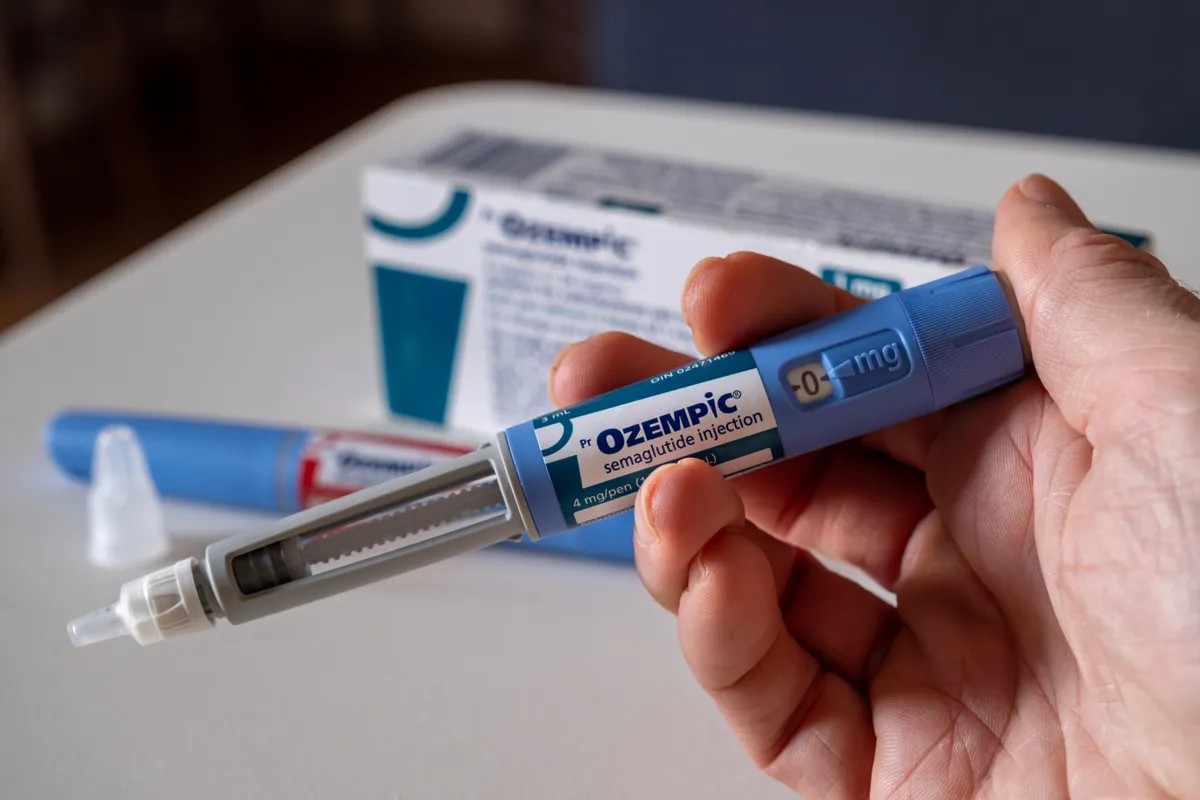
 Ozempic is a prescription medication containing semaglutide, which can help adults with type 2 diabetes manage their blood sugar levels. It belongs to a group of medicines called GLP-1 receptor agonists that support the body’s natural response to elevated glucose. By influencing insulin release, glucagon production, and the movement of food through the stomach, Ozempic can help reduce blood sugar levels over time. For people considering حقن أوزمبيك في دبي, understanding how the medication works and what to expect can help them discuss appropriate treatment with a qualified healthcare professional.
How Ozempic Helps Regulate Blood Sugar
Ozempic helps regulate blood sugar by improving the body’s response when glucose levels rise. Semaglutide activates GLP-1 receptors, encouraging the pancreas to release insulin when blood sugar is elevated and reducing the release of glucagon. Glucagon is a hormone that signals the liver to release glucose into the bloodstream. Together, these effects can help lower blood sugar in people with type 2 diabetes when the medication is used as prescribed.
The Role of Insulin in Glucose Control
Insulin helps move glucose from the bloodstream into cells, where it can be used for energy. In people with type 2 diabetes, the body may not produce enough insulin for its needs or may not respond to insulin effectively. Ozempic supports glucose-dependent insulin secretion, meaning its effect on insulin release is greater when blood sugar is elevated. This can improve glucose control without replacing the body’s entire insulin-regulation system.
How Ozempic Affects Glucagon Levels
Glucagon helps prevent blood sugar from becoming too low by signaling the liver to release stored glucose. In type 2 diabetes, glucagon activity may contribute to elevated blood sugar levels. Ozempic reduces glucagon secretion when glucose levels are high, helping limit unnecessary glucose release by the liver. This action works alongside its effect on insulin to support better blood sugar management throughout the day.
Managing Blood Sugar After Meals
Blood sugar commonly rises after eating as carbohydrates are digested and glucose enters the bloodstream. Ozempic can help reduce post-meal glucose levels through its effects on insulin and glucagon. It also slows early stomach emptying to a modest degree, which can slow the rate at which glucose enters circulation after a meal. The overall response varies according to the patient’s health, prescribed dose, food intake, and other diabetes treatments.
Effects on Fasting Blood Sugar
Fasting blood sugar measures glucose levels after a period without food, usually overnight. Ozempic may help reduce fasting glucose by improving glucose-dependent insulin secretion and lowering glucagon when blood sugar is elevated. Regular monitoring can help patients and their healthcare professionals assess how well treatment is working. A single reading does not show the full picture, so results should be interpreted alongside longer-term glucose measurements and the individual’s treatment goals.
The Connection Between Blood Sugar and Appetite
Ozempic can influence appetite and feelings of fullness as well as glucose regulation. Some patients feel satisfied sooner during meals or experience less desire to snack, which may reduce overall calorie intake. Weight loss can provide additional metabolic benefits for some people with type 2 diabetes, although the amount varies. Patients should maintain balanced nutrition and avoid excessively restrictive eating while using the medication.
How Long Does Ozempic Take to Improve Blood Sugar?
The response to Ozempic develops gradually rather than immediately after the first injection. Some patients may notice changes in glucose readings during the early stages of treatment, while the full response can take several weeks as the dose is adjusted. Healthcare professionals may assess progress through home glucose readings and tests such as HbA1c, which reflects average blood sugar over approximately two to three months. Individual results depend on the prescribed dose, other medications, and overall health.
The Importance of Following the Prescribed Dose
Ozempic treatment usually begins with a low weekly dose, which is increased according to the prescribing schedule and the patient’s response. Gradual dose escalation helps the body adjust and may reduce digestive side effects. Patients should never increase the dose independently or take extra injections to bring a high glucose reading down quickly. If blood sugar remains above the recommended range, the prescribing clinician can review the treatment plan and determine whether changes are needed.
Combining Ozempic With Healthy Lifestyle Habits
Medication is only one part of effective diabetes management. Balanced meals, regular physical activity, adequate hydration, and appropriate sleep can support glucose control alongside prescribed treatment. Patients may benefit from choosing fibre-rich foods, eating consistent portions, and following an activity plan suited to their health and fitness level. A healthcare professional or registered dietitian can help develop practical habits that complement medication without causing unnecessary dietary restrictions.
Monitoring Blood Sugar During Treatment
Regular monitoring helps patients understand how their blood sugar responds to medication, meals, activity, and other factors. Depending on the treatment plan, monitoring may involve a home glucose meter, a continuous glucose monitor, or periodic HbA1c testing. Patients taking Ozempic with insulin or sulfonylureas may need additional monitoring because these combinations can increase the risk of hypoglycemia. The clinician can explain appropriate glucose targets and what steps to take when readings fall outside the recommended range.
Possible Side Effects and Safety Considerations
Ozempic can cause nausea, vomiting, diarrhea, constipation, and abdominal discomfort, particularly when treatment starts or the dose increases. These symptoms may improve over time, but persistent problems should be discussed with a healthcare professional. Low blood sugar is more likely when Ozempic is combined with insulin or certain other diabetes medicines. Severe, persistent abdominal pain, particularly with vomiting, requires prompt medical assessment. Patients should also disclose their medical history and current medications before starting treatment.
Who May Benefit From Ozempic for Blood Sugar Control?
Ozempic may be appropriate for adults with type 2 diabetes when additional glucose control is needed and a clinician determines that the benefits outweigh the risks. It is not intended to treat type 1 diabetes or diabetic ketoacidosis. Eligibility depends on the patient’s diagnosis, medical history, other medications, and applicable prescribing guidance. A professional assessment can establish whether Ozempic is suitable and whether other treatments should be continued or adjusted.
Conclusion
Ozempic injection can help control blood sugar in adults with type 2 diabetes by stimulating insulin release when glucose is elevated, reducing glucagon secretion, and modestly slowing early stomach emptying. These actions can improve fasting and post-meal glucose levels when the medication is used as prescribed. Results vary, and regular monitoring, healthy lifestyle habits, and medical follow-up remain important. A qualified healthcare professional can assess individual suitability, explain possible side effects, and develop a treatment plan tailored to the patient’s blood sugar goals.