
 Written by
 Dark spots can develop for several reasons, including sun exposure, acne-related inflammation, hormonal changes, and natural variations in melanin production. Although these concerns may look similar, each can require a different treatment approach. The type of pigmentation, its depth, the size of the affected area, and the person’s skin characteristics can influence the recommended procedure and number of sessions. People researching Pigmentation Laser Treatment Cost in Dubai should understand how individual skin concerns affect treatment planning before choosing a suitable option.
Why Different Skin Concerns Require Different Treatments
Pigmentation is not a single condition, and the correct approach depends on what is causing the discoloration. Some dark spots respond well to targeted laser procedures, while other concerns may require topical skincare, sun protection, or a combination of treatments.
A practitioner may consider several factors before recommending a procedure:
The underlying cause of the pigmentation
The depth and distribution of excess melanin
The person’s skin tone and sensitivity
The size of the treatment area
The likelihood of recurrence
The potential risks of irritation or further discoloration
Correctly identifying the skin concern helps avoid unnecessary procedures and supports a treatment plan suited to the individual’s needs.
Sunspots and Age Spots
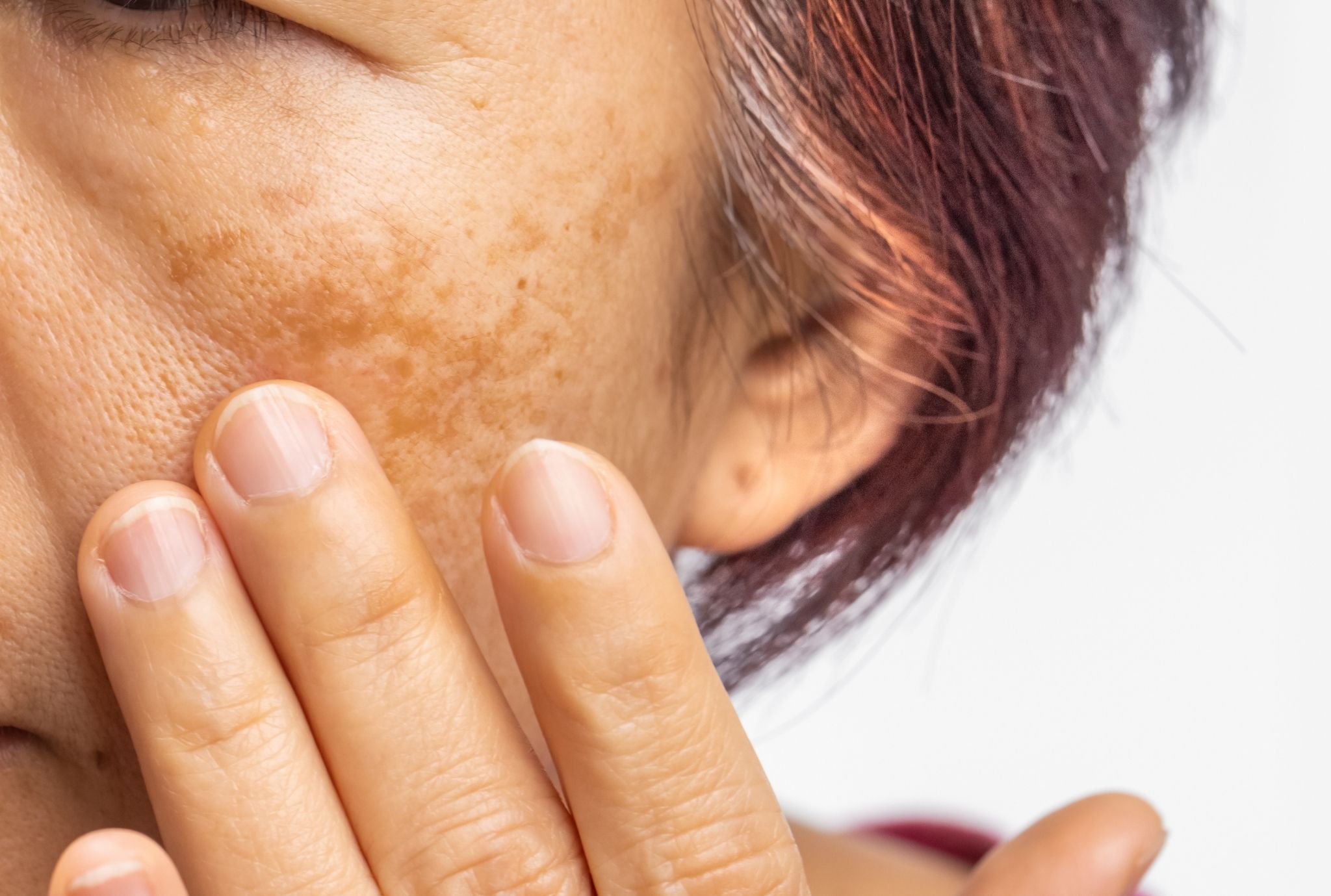
Sunspots, sometimes called age spots, are flat areas of darker pigmentation associated with cumulative ultraviolet exposure. They commonly appear on the face, hands, shoulders, and other areas that receive regular sunlight. Selected sunspots may respond to pigment-targeting laser treatments because the energy can be directed towards excess melanin. The approach depends on the spot’s appearance, depth, and the surrounding skin. Some spots may improve after a limited number of sessions, although complete clearance cannot be guaranteed. Sun protection remains important after treatment because continued ultraviolet exposure can contribute to new spots and renewed pigmentation.
Acne Marks and Post-Inflammatory Hyperpigmentation
Post-inflammatory hyperpigmentation occurs when inflammation or skin injury triggers excess pigment production. Acne is a common cause, but similar marks can also follow irritation, insect bites, or certain cosmetic procedures. The treatment approach depends on the depth of the pigment and whether the original cause is still active. In many cases, controlling acne and using suitable topical ingredients may be more appropriate as an initial step than proceeding directly to laser treatment. Laser procedures can sometimes help selected persistent marks, but they can also cause additional inflammation and worsen discoloration. Careful assessment is particularly important for people whose skin tends to develop dark marks after irritation.
Melasma and Hormonal Pigmentation
Melasma usually appears as brown or grey-brown patches, often across the cheeks, forehead, or upper lip. Hormonal influences, sunlight, visible light, and individual susceptibility can contribute to this condition. Unlike some isolated sunspots, melasma can be persistent and may return after improvement. Laser treatment is not always the first choice and should be considered cautiously because irritation can sometimes make the pigmentation more noticeable. Management may involve consistent sun protection, appropriate topical treatments, and selected procedures when suitable. The treatment plan should focus on controlling the condition over time rather than promising permanent removal.
Uneven Skin Tone and Diffuse Pigmentation
Uneven skin tone can involve multiple small spots, widespread discoloration, or a combination of sun damage and post-inflammatory marks. Because the pigmentation may be spread across a larger area, treatment planning can differ from treating one or two isolated spots. A practitioner may consider whether a pigment-targeting laser, another light-based procedure, topical skincare, or a combination is appropriate. The choice depends on the cause of the discoloration, the skin’s condition, and the risk of irritation. Improving overall skin tone may require a gradual approach rather than attempting to treat every visible mark with the same intensity.
How Pigment Depth Influences Treatment Planning
The depth of excess melanin can influence how pigmentation responds to laser treatment. Superficial pigment may respond differently from pigment located deeper within the skin, which can be more challenging to address. The practitioner evaluates the appearance and distribution of the discoloration to help determine the likely depth and suitable treatment approach. Deeper or mixed pigmentation may respond less predictably and sometimes requires a broader management plan. Because visual examination alone may not answer every diagnostic question, the practitioner should also consider medical history and whether a pigmented lesion needs further medical evaluation before any cosmetic procedure.
The Role of Laser Technology
Different laser systems use different wavelengths and pulse durations to interact with melanin. The appropriate device depends on the skin concern, pigment depth, skin tone, and the practitioner’s assessment.
Q-Switched Laser Treatments
Q-switched lasers deliver short pulses of energy that can fragment selected pigment particles. They may be considered for certain well-defined pigmentary concerns, depending on the device and treatment settings.
Picosecond Laser Treatments
Picosecond lasers deliver extremely short pulses that may help break down pigment in selected conditions. Their suitability depends on the pigmentation being treated, and they are not automatically the best choice for every dark spot.
Fractional Laser Treatments
Fractional lasers create controlled treatment zones in the skin and may be used for selected concerns involving texture and pigmentation. They can also cause inflammation, so their use requires careful consideration, particularly in skin prone to post-inflammatory hyperpigmentation.
The most appropriate technology is determined by the individual’s condition rather than by choosing the most intensive device available.
Skin Tone and Sensitivity
Skin tone is an important consideration because the surrounding skin also contains melanin that may absorb laser energy. People with medium to dark skin tones can be more susceptible to post-inflammatory hyperpigmentation following irritation or excessive heat. A suitable treatment plan may involve careful device selection, conservative settings, and a test spot when clinically appropriate. Recent tanning, sensitive skin, and a history of pigmentation after previous procedures should also be discussed during consultation. No treatment is entirely risk-free, so the practitioner should explain possible side effects and how the selected approach aims to reduce them.
The Number of Sessions and Individual Response
The number of sessions required varies according to the pigmentation type, treatment method, and individual response. Some isolated spots may improve with a limited course, while persistent or recurring conditions may need a longer-term plan. Progress should be assessed between sessions to determine whether further treatment is appropriate. If improvement is limited or the skin develops new discoloration, the practitioner may need to reconsider the diagnosis or adjust the approach. More sessions do not automatically produce better results. The aim is to achieve a suitable improvement while avoiding unnecessary irritation or complications.
Aftercare and Long-Term Skin Management
Aftercare helps protect the skin while it recovers and may reduce the risk of further pigmentation. The skin can temporarily become red, sensitive, or darker after some laser procedures, so following the practitioner’s instructions is essential.
Helpful aftercare measures include:
Applying broad-spectrum sunscreen with SPF 30 or higher
Limiting direct sun exposure
Using a gentle cleanser and suitable moisturizer
Avoiding picking or scratching treated areas
Pausing irritating skincare products for the recommended period
Seeking professional advice if unexpected symptoms develop
Some conditions, particularly melasma, require ongoing management because the underlying triggers can remain. Consistent skincare and sun protection can help support the treatment outcome, although they cannot guarantee that pigmentation will not return.
Choosing the Right Treatment for Your Skin Concern
A professional consultation helps determine which treatment is appropriate for the type of pigmentation present. The practitioner should explain the expected benefits, limitations, recovery requirements, and potential risks before recommending a procedure.
Before treatment, consider asking:
What is causing my pigmentation?
Is the pigment superficial or deep?
Is laser treatment appropriate for this condition?
Which technology is suitable for my skin tone?
How many sessions might be needed?
Could treatment cause further discoloration?
What skincare and sun protection will I need afterward?
These questions help establish realistic expectations and support an informed decision about the treatment plan.
Frequently Asked Questions
Different pigmentation concerns can require different treatment methods, session schedules, and aftercare routines. The answers below explain why the cause of dark spots matters when selecting laser treatment.
Does pigmentation type affect the treatment approach?
Yes. Sunspots, acne-related marks, and melasma have different causes and may respond differently to laser procedures. Identifying the underlying condition helps determine whether laser treatment is suitable and which approach may be appropriate.
Is laser treatment suitable for all types of dark spots?
No. Some spots may respond well to selected lasers, while others may be better managed with topical skincare or a different procedure. A new or changing pigmented lesion should be medically assessed before cosmetic treatment.
Can laser treatment make melasma worse?
Yes. Laser-related inflammation can sometimes aggravate melasma or trigger additional pigmentation. Careful patient selection, appropriate settings, and a broader management plan are important when considering laser treatment for this condition.
Do darker skin tones require a different treatment plan?
They may. Medium to dark skin can be more susceptible to pigmentation changes after irritation, so the practitioner should select the technology and settings carefully. Individual assessment is important for reducing avoidable risks.
Can pigmentation return after laser treatment?
Yes. Laser treatment may reduce existing dark spots without removing the factors that caused them. Sun exposure, hormonal influences, and ongoing inflammation can contribute to recurrence, making continued skincare and sun protection important.
Conclusion
Pigmentation laser treatment can vary according to the specific skin concern because sunspots, acne marks, melasma, and diffuse discoloration do not respond in the same way. The cause and depth of pigment, skin tone, laser technology, number of sessions, and risk of recurrence all influence the treatment plan. Some conditions may benefit from targeted laser procedures, while others require topical care and long-term management. A professional assessment helps identify the underlying concern, select an appropriate approach, and establish realistic expectations for achieving a more even-looking complexion.