
 Written by
Acne is one of the most common skin conditions in the world, yet it is also one of the most misunderstood. It affects teenagers and adults alike, and its impact reaches beyond the skin, influencing confidence, mood, and daily social comfort. Effective care requires more than a trending cleanser or a home remedy passed along by a friend. People looking for Acne Treatment in Islamabad will find that the best outcomes come from a medically guided plan built around the type of acne, the skin type, and the underlying triggers. This guide explains what causes acne, which treatments are available, and how a complete care approach works from the first consultation to long-term maintenance.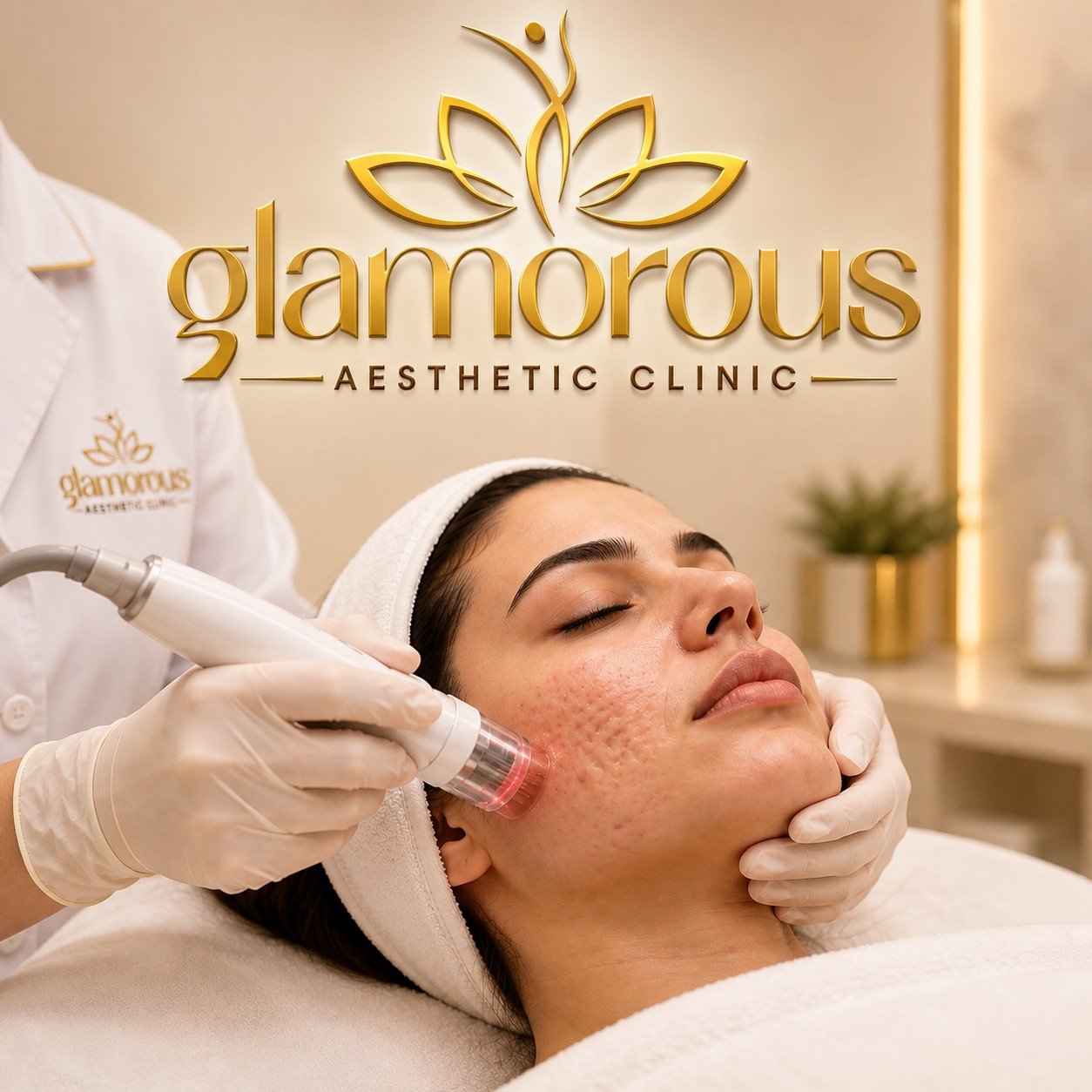
Understanding What Acne Really Is?
Acne develops when hair follicles become blocked with excess oil and dead skin cells. This blockage creates an environment where bacteria can multiply, leading to inflammation, redness, and visible lesions. The skin responds with whiteheads, blackheads, papules, pustules, and in more severe cases, deep nodules and cysts.Acne is not a sign of poor hygiene. Over-washing or scrubbing aggressively can irritate the skin and worsen breakouts. Understanding that acne is a medical condition, not a cleanliness problem, is the first step toward treating it properly.
Common Causes and Triggers
Several factors work together to produce acne. Hormonal changes during puberty, menstrual cycles, pregnancy, and conditions such as polycystic ovary syndrome can increase oil production. Genetics also play a significant role, so people with a family history of acne are more likely to experience it.Lifestyle and environmental factors can aggravate the condition. Stress, poor sleep, certain cosmetic products, pollution, and friction from helmets or masks may all contribute. Some people notice links between breakouts and high-sugar or high-glycemic diets, or heavy dairy intake, though responses vary from person to person. Certain medications, including some steroids, can also trigger acne.
Different Types of Acne
Not all acne looks the same, and treatment depends on the type. Comedonal acne involves blackheads and whiteheads without much inflammation. Inflammatory acne includes red, tender papules and pustules. Nodular and cystic acne involves deep, painful lumps that can leave permanent scars if untreated.Hormonal acne often appears along the jawline and chin in adult women and may flare around the menstrual cycle. Identifying the pattern helps a specialist choose the most effective approach, which is why a proper skin assessment matters.
Why Professional Diagnosis Matters?
Many people spend months trying different products without improvement, which can allow the condition to progress and scar. A professional evaluation examines your skin type, acne severity, scarring risk, medical history, and previous treatments. In some cases, hormonal testing or other investigations may be recommended, especially if acne is persistent or accompanied by irregular periods or excess hair growth.A skin specialist can also rule out other conditions that mimic acne, such as rosacea or folliculitis, which require different treatment.
Medical Treatment Options
A complete plan often combines several approaches, since acne has more than one cause.
Topical Treatments
Topical retinoids help unclog pores and encourage healthy skin turnover. Benzoyl peroxide reduces acne-causing bacteria, while azelaic acid calms inflammation and helps fade marks. Topical antibiotics may be prescribed for short periods, usually alongside other agents to reduce resistance. These products can cause dryness or irritation at first, so gradual introduction is important.
Oral Medications
For moderate to severe acne, doctors may prescribe oral antibiotics for a limited time, hormonal therapies for suitable women, or isotretinoin for severe or resistant cases. Isotretinoin is powerful and highly effective, but it requires careful medical supervision, regular monitoring, and strict avoidance of pregnancy because it can cause serious birth defects. It should never be taken without a doctor’s guidance.
Professional Skin Procedures
In-clinic procedures can complement medication. Chemical peels with salicylic or glycolic acid help unclog pores and improve texture. Medical facials can extract blockages gently and hydrate the skin. Light-based therapies and laser treatments may reduce bacteria and inflammation, and they can help with redness and marks. These procedures work best as part of a broader plan rather than as stand-alone solutions.
Treating Acne Scars and Marks
Acne can leave behind flat dark marks, called post-inflammatory hyperpigmentation, as well as textural scars such as shallow depressions or deeper pits. These need different strategies.Marks often fade with sun protection, brightening ingredients, and peels. Textural scars may benefit from microneedling, fractional laser, subcision, or dermal fillers in selected cases. Early treatment of active acne is the best way to prevent scarring, since results are easier to achieve before scars form.
Building a Smart Daily Skincare Routine
Consistency matters more than complexity. A basic routine includes a gentle cleanser used twice daily, a suitable moisturizer to protect the skin barrier, and broad-spectrum sunscreen every morning. Active treatments such as retinoids are usually applied at night.Choose non-comedogenic products that do not clog pores, and introduce new actives one at a time to monitor tolerance. Avoid picking or squeezing lesions, as this increases inflammation, delays healing, and raises the risk of permanent marks.
Special Considerations for Adult and Teenage Acne
Teenage acne is often driven by hormonal surges and responds well to a steady topical routine, with medical escalation if needed. Adult acne, especially in women, is frequently linked to hormones and stress and tends to be more persistent. Adult skin may also be drier or more sensitive, so treatments must be balanced carefully.Pregnancy and breastfeeding limit treatment choices, since some acne medicines are unsafe during these periods. Always tell your doctor if you are pregnant or planning pregnancy.
Possible Side Effects and Safety Points
Most acne treatments cause some adjustment period. Dryness, peeling, redness, and mild stinging are common early on, especially with retinoids and benzoyl peroxide. Sun sensitivity increases with many active ingredients, so daily sunscreen is essential.Oral medications carry their own risks and require monitoring. Avoid buying prescription-strength products from unverified sources or using leftover medicines from friends. If you notice severe irritation, swelling, or any worrying symptoms, contact your doctor promptly.
Realistic Expectations and Timelines
Acne treatment takes patience. Most treatments need six to twelve weeks to show clear improvement, and some people experience a temporary flare in the early weeks as the skin adjusts. Stopping too soon is one of the most common reasons treatment fails.Acne is often a long-term condition that requires maintenance even after the skin clears. A realistic plan focuses on steady improvement, prevention of new breakouts, and protection against scarring, not instant perfection.
Choosing the Right Clinic
Look for qualified doctors, a hygienic environment, a thorough consultation, and transparent explanations of treatment options, risks, and expected timelines. A trustworthy clinic tailors the plan to your skin instead of offering a single package for everyone. Be cautious of promises of overnight clearing, aggressive upselling, or products sold without proper assessment. Ask about follow-up visits, since adjusting the plan over time is a key part of success.
Conclusion
Effective acne care is a combination of accurate diagnosis, appropriate medical treatment, a consistent skincare routine, supportive lifestyle habits, and ongoing professional guidance. Whether the concern is occasional breakouts, stubborn adult acne, or scarring, a personalized plan offers far better results than trial and error. Be patient, protect your skin from the sun, avoid picking, and follow your doctor’s instructions closely. With realistic expectations and the right professional support, clearer skin and renewed confidence are achievable goals for most people.
Read More :
https://melaaj.com/blogs/47658/Skin-Focused-Acne-Management-at-Glamorous-Clinic-Islamabad