
 Written by
 Laser liposuction is a body-contouring procedure designed to target localized fat deposits that may not respond well to diet and exercise.
For people researching Laser Liposuction Dubai, understanding how the procedure may be adapted to different body areas can help clarify what factors influence suitability. Dynamic Clinic in Dubai is one example of a setting where people may seek information about this type of body contouring.
How Does Laser Liposuction Work?
Laser liposuction uses laser energy beneath the skin to assist in disrupting or liquefying targeted fat before it is removed. The approach focuses on localized areas rather than overall weight reduction. It may also involve controlled tissue heating, which is one reason the technique is often discussed in relation to skin tightening and collagen activity.
The exact technique depends on the treatment area, the amount and distribution of fat, skin quality, and individual anatomy. A professional assessment is important because the same approach cannot necessarily be applied in exactly the same way to every part of the body.
Which Body Areas Can Be Considered?
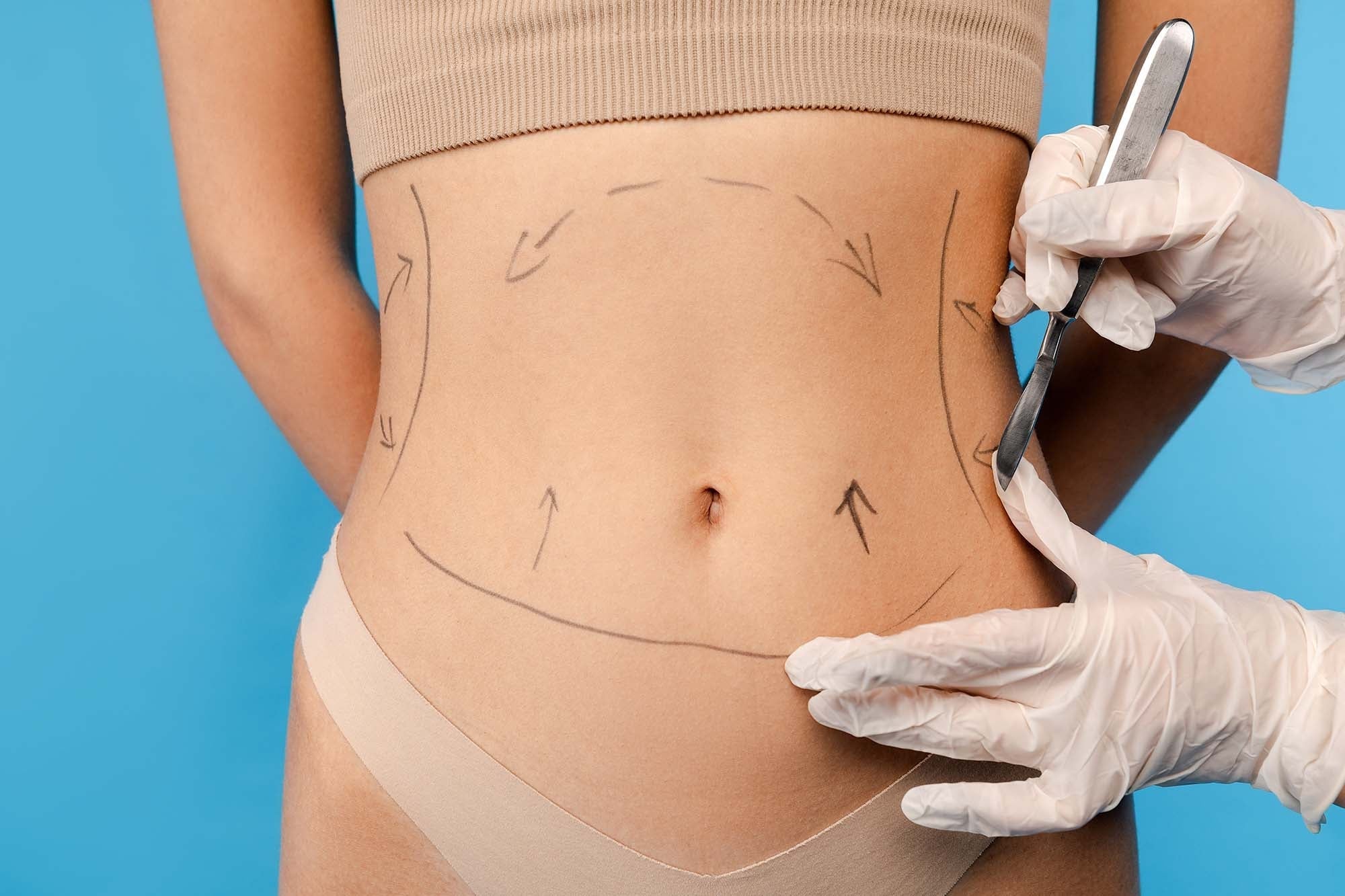
Laser-assisted liposuction may be considered for several areas where localized fat affects body contours. Commonly discussed areas include:
- Abdomen: Suitable for addressing localized abdominal fat in selected individuals.
- Flanks: Often considered when fat creates fullness around the waist or sides.
- Thighs: Treatment may focus on specific areas of excess fat while accounting for the natural shape of the legs.
- Upper arms: Localized fat around the arms may be assessed when skin quality and tissue characteristics are appropriate.
- Back: Small areas of stubborn fat along the back can sometimes be evaluated for contouring.
- Chin and neck: The technique may be considered for selected cases of submental fullness, depending on anatomy and skin elasticity.
Suitability varies because each body area has different tissue thickness, underlying structures, skin characteristics, and contouring requirements.
Why Does the Body Area Matter?
The location of fat affects how a procedure can be planned. Some regions contain thicker fat layers, while others have relatively thin tissue and important anatomical structures nearby. The amount of available skin elasticity can also influence how the treated area may respond.
For example, the abdomen may have a different fat distribution from the inner thigh or beneath the chin. A treatment plan therefore needs to account for tissue depth, skin laxity, body proportions, and the desired contour rather than using one standard technique for every area.
What Factors Determine Suitability?
Body area is only one part of the assessment. Other factors may include:
- Fat distribution: Localized deposits are generally assessed differently from widespread excess weight.
- Skin elasticity: Skin that has reasonable elasticity may respond differently from significantly loose skin.
- Overall health: General health and medical history can affect whether an elective procedure is appropriate.
- Body proportions: Removing fat from one region can influence how surrounding contours appear.
- Treatment goals: The procedure is generally considered for contour refinement rather than major weight loss.
- Previous procedures: Earlier surgery or scarring in the same region may affect treatment planning.
These factors are reviewed together rather than relying on the body area alone.
Are Some Areas More Complex to Treat?
Yes. Areas with delicate anatomy or limited tissue depth may require particularly careful planning. The chin and neck, for example, involve structures that require precise anatomical consideration. Similarly, areas such as the inner thighs may require attention to natural contours and skin movement.
Larger regions can involve different considerations because fat distribution may be uneven. Treating an area too aggressively can affect symmetry and the transition between treated and untreated tissue, making individualized planning important.
What Should You Discuss Before Treatment?
A consultation should provide an opportunity to discuss the specific area being considered and whether laser-assisted liposuction is appropriate for it. Useful questions include:
- Is the fat localized or more widespread?
- Is the skin sufficiently elastic for the planned approach?
- What anatomical factors affect treatment of this area?
- Would another body-contouring approach be more suitable?
- What preparation and aftercare would be required?
- What changes are realistic for the selected area?
Clear communication can also help distinguish between concerns caused primarily by excess fat, loose skin, muscle structure, or natural anatomy.
Laser Liposuction and Body Contouring Goals
Laser liposuction is generally discussed as a contouring technique rather than a substitute for weight management. Its role is to address selected areas where localized fat affects proportions or definition.
The expected appearance can depend on several variables, including tissue characteristics, the amount of fat treated, skin response, and the individual’s existing body shape. Results and recovery can therefore differ between treatment areas and between individuals.
Conclusion
Different body areas can require different approaches to laser liposuction because fat distribution, skin elasticity, tissue depth, anatomy, and contouring goals are not the same throughout the body. An individualized assessment helps determine whether a particular area is appropriate and how treatment should be planned. For anyone considering laser-assisted body contouring in Dubai, understanding these area-specific factors provides a clearer basis for discussing suitability with a qualified medical professional.