
 Written by
 Pimples treatment can do more than reduce existing breakouts. A properly selected treatment plan can also help prevent new pimples from developing by addressing factors such as clogged pores, excess oil, inflammation, and acne-causing bacteria. People searching for Pimples Treatment in Dubai often want to know whether professional acne care can provide longer-term protection against recurring breakouts. The answer depends on the cause and severity of acne, skin type, treatment consistency, and individual response.
How Does Pimples Treatment Prevent Future Breakouts?
Acne develops through several processes rather than from a single cause. Effective treatment can target one or more of these contributing factors.
Keeping Pores Clear
Some acne treatments help prevent dead skin cells and oil from accumulating inside pores.
Controlling Excess Oil
Managing excessive sebum can reduce one of the conditions that contributes to clogged pores.
Reducing Inflammation
Anti-inflammatory acne treatments can help reduce the redness and swelling associated with inflammatory pimples.
Managing Acne-Causing Bacteria
Certain treatments help reduce acne-associated bacteria and can be combined with other therapies for a broader approach.
Can Acne Treatment Stop New Pimples From Forming?
Yes, preventive acne treatment can reduce the likelihood of new blemishes appearing.
Treating Acne-Prone Areas
Applying appropriate treatment to the entire acne-prone area, rather than only visible pimples, can help address developing blemishes before they become noticeable.
Maintaining Clear Pores
Treatments such as topical retinoids can help keep pores from becoming clogged.
Consistent Treatment
Acne prevention generally requires continued use rather than occasional treatment whenever a pimple appears.
Individualized Care
The most effective approach varies according to the type of acne and the person’s skin.
The American Academy of Dermatology notes that acne treatment goals include clearing existing acne and stopping new breakouts.
Which Treatments Can Help Prevent Future Breakouts?
Different acne treatments work in different ways.
Retinoids
Topical retinoids help unclog pores and are commonly used as maintenance treatment after acne improves.
Benzoyl Peroxide
Benzoyl peroxide can reduce acne-causing bacteria and is commonly included in acne treatment plans.
Salicylic Acid
Salicylic acid can help open clogged pores and remove excess buildup.
Azelaic Acid
Azelaic acid can help unclog pores, reduce inflammation, and address certain acne-related discoloration.
Combination Treatments
A dermatologist may combine treatments that target different acne mechanisms to improve overall control.
Current acne guidelines recommend several of these treatments, including topical retinoids and benzoyl peroxide, depending on the patient’s circumstances.
Can Pimples Treatment Help With Recurring Acne?
People who experience repeated breakouts may benefit from a structured treatment plan.
Identifying Triggers
A professional assessment can help determine whether hormonal factors, skincare products, medications, or other factors may contribute to recurring acne.
Establishing Maintenance Care
Once acne improves, continued maintenance treatment may help keep pores clear and reduce the chance of new lesions.
Avoiding Treatment Changes Too Quickly
Frequently switching products can irritate the skin and make acne management more difficult.
Monitoring Progress
Regular evaluation can help determine whether the current treatment remains appropriate.
How Long Does Pimples Treatment Take to Prevent Breakouts?
Acne prevention is usually gradual rather than immediate.
Early Improvement
Some people begin noticing fewer breakouts after several weeks.
Continued Progress
More significant improvement may take several months.
Consistent Use
Stopping treatment as soon as the skin improves may allow acne to return.
Patience Is Important
Acne treatments need sufficient time to work before their effectiveness can be properly assessed.
The American Academy of Dermatology notes that people generally need at least 6 to 8 weeks to begin seeing fewer breakouts with an appropriate treatment plan.
Can Skincare Habits Affect Future Breakouts?
Yes. Daily skincare habits can influence how well acne treatment works.
Use a Gentle Cleanser
Harsh scrubbing can irritate acne-prone skin.
Choose Non-Comedogenic Products
Products labeled non-comedogenic are designed to be less likely to clog pores.
Avoid Excessive Exfoliation
Over-exfoliating can irritate the skin and potentially make breakouts appear worse.
Protect the Skin From the Sun
A suitable non-comedogenic sunscreen can help protect the skin while avoiding unnecessary irritation.
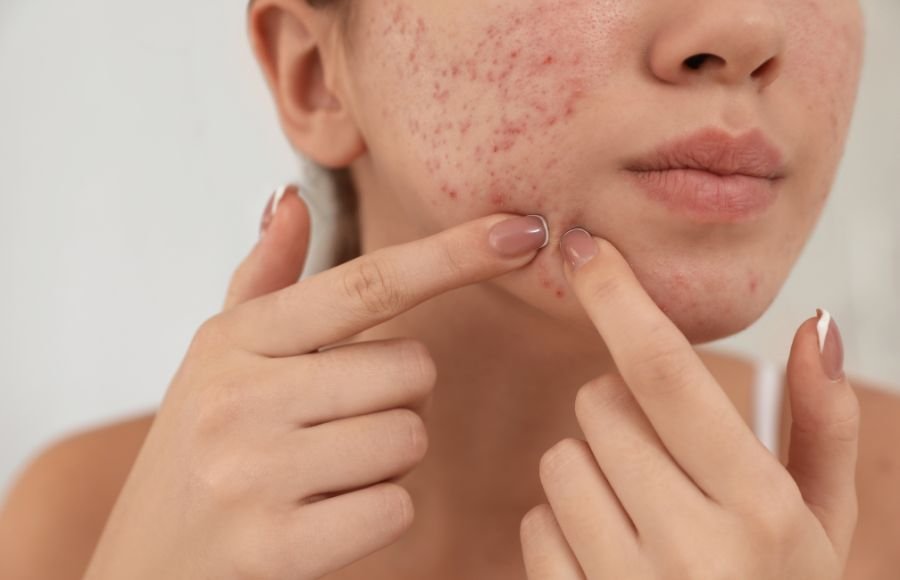
Avoid Picking Pimples
Picking or squeezing can increase inflammation and raise the risk of scarring and dark marks.
Can Pimples Treatment Prevent Acne Scars?
Preventing new breakouts can also help reduce the risk of future acne scars.
Control Inflammatory Acne
Deep and painful acne has a greater potential to leave lasting marks or scars.
Avoid Picking
Manipulating pimples can increase inflammation and tissue damage.
Treat Acne Early
Controlling acne before it becomes more severe may reduce the risk of permanent scarring.
Follow Professional Guidance
Persistent or severe acne may require prescription treatment or professional procedures.
Treating acne early is one of the strategies dermatologists recommend to reduce the likelihood of scarring.
Is Pimples Treatment Different for Every Person?
Yes. Acne treatment is not a one-size-fits-all process.
Mild Acne
Mild pimples may respond to suitable over-the-counter or topical treatments.
Moderate Acne
A combination of topical treatments may be recommended.
Severe Acne
Deep, painful, or widespread acne may require prescription medication and professional monitoring.
Hormonal Acne
Hormonal influences may require a different treatment strategy.
Sensitive Skin
People with sensitive skin may need a gentler approach to minimize irritation.
Can Professional Pimples Treatment Improve Long-Term Skin Health?
Professional acne care can help create a more structured approach to recurring breakouts.
Accurate Assessment
A professional can identify the type of acne and distinguish it from conditions that can look similar.
Personalized Treatment
Treatment can be selected according to the individual’s skin and acne severity.
Ongoing Monitoring
Follow-up allows the treatment plan to be adjusted when necessary.
Maintenance Strategy
Once acne is controlled, an appropriate maintenance routine can help support clearer skin.
What Can Make Acne Come Back?
Even after successful treatment, several factors may contribute to recurring breakouts.
Hormonal Changes
Hormonal fluctuations can influence oil production and acne activity.
Inconsistent Treatment
Stopping treatment too early may allow clogged pores and inflammation to return.
Irritating Skincare
Harsh products can compromise the skin barrier and contribute to irritation.
Comedogenic Products
Certain cosmetics, hair products, or skincare products may contribute to clogged pores.
Stress and Lifestyle Factors
Stress, sleep patterns, and other lifestyle factors can influence some people’s acne, although acne has multiple causes.
What Should You Avoid When Preventing Future Pimples?
Certain habits can interfere with acne management.
Do Not Scrub Aggressively
Scrubbing can irritate the skin.
Do Not Pop Pimples
Squeezing can increase inflammation and scarring risk.
Do Not Change Treatments Every Week
Frequent changes can irritate the skin and make it difficult to determine what is working.
Do Not Apply Excessive Product
Using more acne medication than recommended does not necessarily produce faster results and can increase irritation.
The AAD recommends giving acne treatments enough time to work and avoiding habits that irritate acne-prone skin.
Checkpoint: How Can You Prevent Future Breakouts?
A consistent acne-prevention strategy may include:
Using the appropriate acne treatment regularly
Keeping pores clear
Choosing non-comedogenic skincare
Washing the skin gently
Avoiding unnecessary irritation
Not picking or squeezing pimples
Using suitable sun protection
Following professional recommendations
Continuing maintenance treatment when advised
Seeking professional care when acne persists
When Should You Consider Professional Pimples Treatment?
Professional assessment can be especially useful when acne continues despite consistent skincare.
Persistent Breakouts
Acne that does not improve may require a different treatment strategy.
Painful Pimples
Deep or painful lesions can increase the risk of scarring.
Frequent Recurrence
Repeated breakouts may indicate that a preventive treatment plan is needed.
Acne Scarring
Existing scars or persistent dark marks may require additional treatment.
Uncertain Diagnosis
Some skin conditions can resemble acne but require different treatment.
Personalized Pimples Treatment
The most effective way to prevent future breakouts is to identify what is driving the acne and select treatment accordingly. A professional can assess whether clogged pores, excess oil, inflammation, hormonal factors, or other issues are contributing to the problem.
A personalized plan may involve one treatment or a combination of approaches. The goal is not simply to treat individual pimples as they appear but to create a routine that helps control acne over time.
How Can You Maintain Clearer Skin?
Once acne begins improving, maintaining the results becomes important.
Continue Recommended Treatment
Follow the treatment schedule provided by your skincare professional.
Keep Your Routine Simple
Using too many active products can irritate acne-prone skin.
Monitor New Breakouts
Early changes can be addressed before acne becomes more extensive.
Maintain Healthy Skincare Habits
Gentle cleansing, suitable moisturization, and non-comedogenic products can support ongoing acne management.
Conclusion
Pimples treatment can help prevent future breakouts by addressing several factors involved in acne development, including clogged pores, excess oil, inflammation, and acne-associated bacteria. Treatments such as topical retinoids, benzoyl peroxide, salicylic acid, and azelaic acid may be used according to the individual’s acne type and skin needs.