
 Written by
A face is read as a whole before any single feature is noticed. Harmony between the forehead, eyes, cheeks, nose, lips, and chin shapes the impression a person gives, and when one element dominates, the entire composition can feel off. The nose sits at the center of this relationship, which is why even a small structural change can alter how the rest of the face is perceived. Patients considering Rhinoplasty in Islamabad are increasingly asking not only how to change the nose but how to make it suit their face.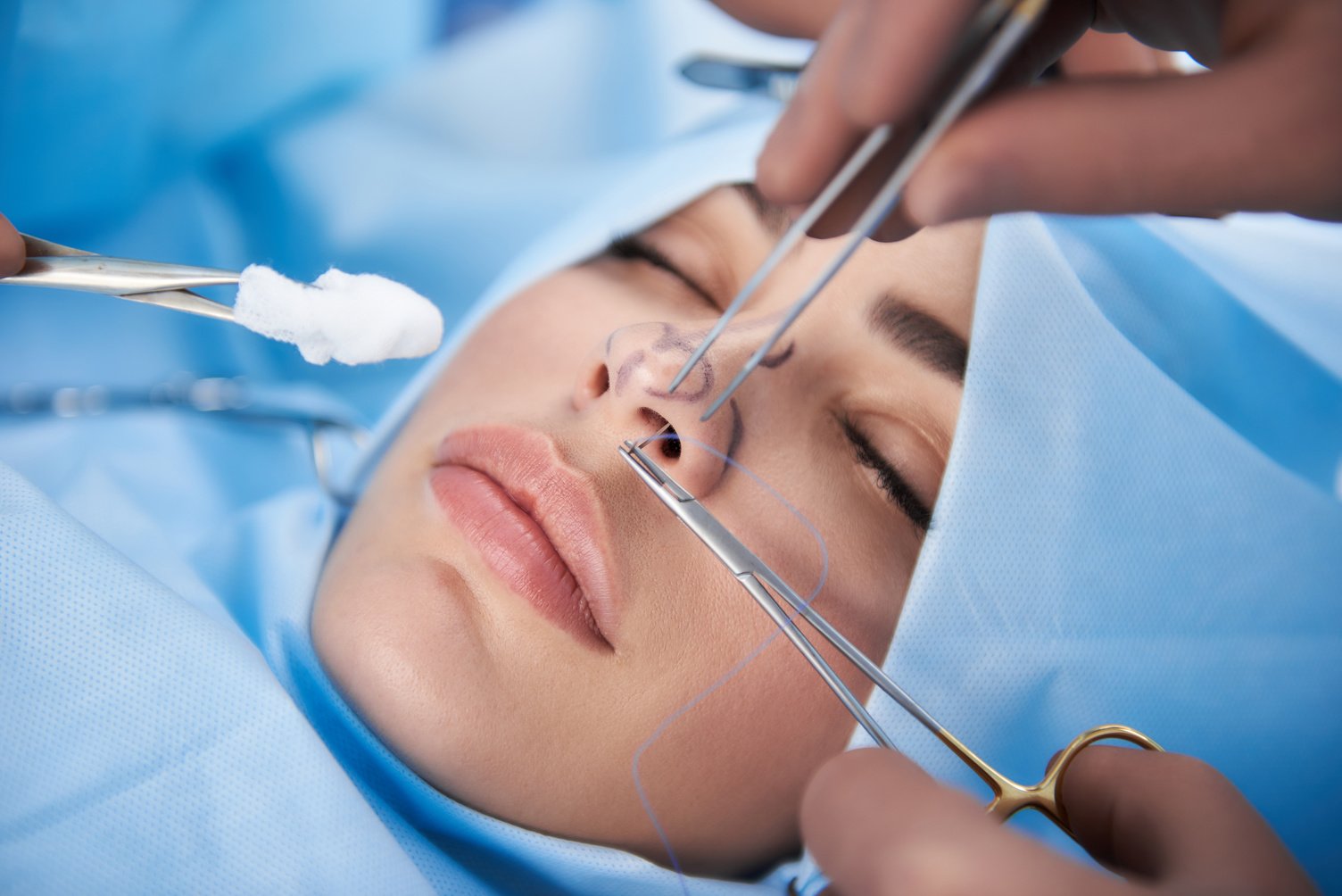
What Facial Balance Really Means?
Facial balance refers to the proportional relationship between features. It is not about symmetry alone, since no human face is perfectly symmetrical, and slight differences are part of natural character. Balance is about whether features complement one another in size, position, and projection.A nose that is large relative to the chin, wide relative to the eyes, or long relative to the lips can pull attention away from other features. Restoring balance means adjusting the nose so that it supports the face rather than competing with it.
Why the Nose Plays Such a Powerful Role?
The nose occupies the central third of the face and is the most projecting feature in profile. Its length, width, angle, and tip position influence how the eyes, lips, and chin appear. A prominent dorsal hump can make the face look heavier, while a drooping tip can add an older or tired appearance.Because of this central position, changes of just a few millimeters can noticeably shift overall impression. This is why experienced surgeons favor careful, conservative refinement over dramatic alteration.
Key Proportions Surgeons Evaluate
A thorough assessment looks at several relationships rather than the nose alone. The width of the nasal base is compared with the distance between the eyes. The length of the nose is considered relative to the height of the face. The angle between the nose and upper lip, often called the nasolabial angle, influences whether the tip looks lifted or drooping.The profile line is examined from forehead to chin. The projection of the chin matters greatly, because a recessed chin can make a normal nose appear larger. In some cases, a surgeon may discuss chin enhancement alongside rhinoplasty so that the final result looks balanced from the side.
Frontal, Profile, and Base Views
A nose looks different from every angle, so evaluation must include several views. From the front, the surgeon checks bridge width, tip shape, and symmetry. From the side, the focus is on the dorsal line, tip projection, and rotation. From below, the shape of the nostrils, the columella, and the base are assessed.Photographs from each angle help both surgeon and patient discuss goals clearly. They also provide a baseline for comparing progress during healing.
Aesthetic Goals and Functional Needs
Many patients seek rhinoplasty for appearance, but a large number also have breathing concerns. A deviated septum, enlarged turbinates, or weak nasal valves can restrict airflow and sometimes distort the outer shape as well. A responsible plan addresses both aesthetics and function together.Improving breathing during the same operation can enhance sleep, exercise comfort, and general quality of life. Ignoring function in pursuit of appearance alone can lead to long-term problems.
Respecting Ethnic and Individual Features
Facial balance is not a single universal template. Nasal anatomy varies across ethnic backgrounds and families, and good rhinoplasty respects those characteristics. Skin thickness, cartilage strength, bridge height, and tip shape all differ, and a technique suited to one nose may not suit another.The aim is a nose that looks natural for you, preserving your identity while refining what troubles you. Surgeons who apply one standard shape to every patient often produce results that look obvious or out of place.
The Consultation Process
A good consultation begins with listening. The surgeon asks what you dislike, what you want to preserve, and how you hope to feel afterward. Medical history, previous nasal injuries or surgeries, allergies, breathing difficulties, and medications are reviewed.The nose and face are then examined in detail, including skin thickness, cartilage support, and internal structure. The surgeon explains what is achievable, what is not, and which approach is recommended. You should feel free to ask questions, and any pressure to decide quickly is a warning sign.
Surgical Approaches
Rhinoplasty is performed using either an open or a closed approach. The open technique uses a small incision across the columella and offers direct visibility of the nasal framework, which is helpful for complex cases and revisions. The closed technique places incisions inside the nostrils, leaves no external scar, and often involves less swelling, though exposure is more limited.Techniques may include smoothing a hump, narrowing the bridge, refining or rotating the tip, correcting a deviated septum, and using cartilage grafts to add support or shape. The choice depends on your anatomy and goals.
Who Is a Suitable Candidate?
Suitable candidates are generally healthy adults whose nasal growth has finished, usually in the late teenage years, and who have realistic expectations. People with breathing difficulties, structural asymmetry, or a longstanding concern about nasal shape often benefit.Surgery may be delayed or discouraged for individuals who smoke, have uncontrolled medical conditions, or expect perfection or a complete change in identity. An honest surgeon will sometimes recommend waiting or choosing a different path.
Non-Surgical Options
For minor irregularities, dermal fillers can temporarily smooth small bumps or improve the profile without surgery. They do not reduce nasal size or correct breathing problems, and results are temporary. They can, however, give a helpful preview of how a subtle change might look. Suitability varies, so professional assessment is important.
Possible Risks and Limitations
Rhinoplasty carries risks common to surgery, including bleeding, infection, swelling, bruising, numbness, and reactions to anesthesia. Specific concerns include asymmetry, contour irregularities, persistent breathing difficulty, and the possibility that revision surgery may be needed.The procedure cannot change the underlying bone structure of the face or guarantee a precise outcome. Healing varies from person to person, and final results can differ slightly from the plan.
Recovery and Healing Timeline
Swelling and bruising peak in the first week, and a splint is usually worn for about seven days. Many people return to desk work within one to two weeks. Strenuous exercise and anything that risks impact to the nose should be avoided for several weeks, and glasses may need support to avoid pressure on the bridge.Most visible swelling settles within a few months, but subtle changes, especially in the tip, can continue for a year or longer. Patience is essential, as the final shape emerges gradually.
Realistic Expectations
A successful result is one that looks natural, improves proportion, and fits comfortably within your face. It will not transform your identity or solve emotional concerns unrelated to appearance. Photographs and simulations are useful guides but not promises.Many patients report greater confidence and comfort once healing is complete, particularly when both appearance and breathing improve. Approaching surgery with balanced expectations leads to greater satisfaction.
Choosing the Right Surgeon and Clinic
Look for a qualified surgeon with specific experience in nasal surgery and a strong record of natural-looking results. Ask to see realistic before-and-after photographs, preferably of noses similar to yours. Confirm that the clinic maintains high standards of hygiene, anesthesia safety, and follow-up care.Be cautious about guarantees, unusually low prices, or surgeons who avoid discussing risks. A trustworthy team educates you, answers questions patiently, and supports you throughout recovery.
Final Thoughts
Facial balance is the real goal of thoughtful rhinoplasty. When the nose is refined in harmony with the forehead, eyes, lips, and chin, the result looks natural and leaves people noticing the face rather than the surgery. Success depends on careful assessment, a surgeon who respects your individual anatomy, realistic expectations, and committed aftercare. Choosing a clinic that values safety, honest communication, and personalized planning makes the journey smoother and the outcome more satisfying. For patients seeking professional guidance and a tailored approach, Glamorous Aesthetic Clinic offers a consultation-focused path that prioritizes natural results, patient safety, and long-term confidence.
Read More :
https://melaaj.com/blogs/49039/Rhinoplasty-in-Islamabad-With-a-Focus-on-Nasal-Symmetry