
 Written by
Liposuction is a cosmetic body contouring procedure that removes localised fat deposits to create a more balanced and defined body shape. Individuals considering Liposuction in Dubai at Dynamic Life Clinic may choose this treatment when stubborn fat affects areas such as the abdomen, waist, thighs, arms, or back. By removing selected fat cells from beneath the skin, liposuction can reduce unwanted fullness and improve the appearance of natural body proportions. The results depend on fat distribution, skin elasticity, individual anatomy, and the surgeon’s treatment plan.
Understanding Body Contouring Through Liposuction
Body contouring focuses on improving the shape and proportions of specific areas rather than reducing overall body weight. Some people have localised fat deposits that remain noticeable despite regular exercise and balanced eating habits. These deposits can affect the outline of the waist, abdomen, hips, and other body regions. Liposuction addresses this concern by removing subcutaneous fat from selected areas. The procedure can create a smoother transition between nearby body regions, helping the treated area appear more proportionate. It is not a treatment for obesity or visceral fat stored around internal organs.
Reducing Stubborn Fat Deposits
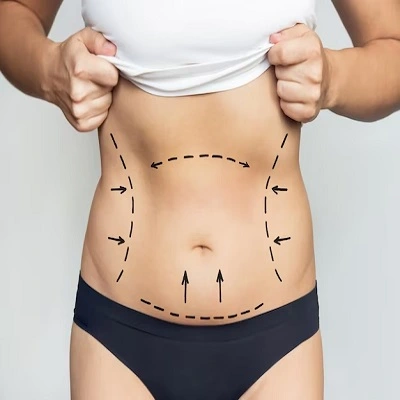
One of the main ways liposuction improves body contours is by reducing stubborn fat that contributes to unwanted fullness. Fat deposits may develop around the abdomen, flanks, thighs, upper arms, back, and beneath the chin.
During the procedure, a surgeon uses a thin cannula to loosen and suction out selected fat cells through small incisions. Removing some of the fat volume can make the treated area appear slimmer and more defined. The amount removed is planned according to the patient’s anatomy and safety requirements.
Creating a More Defined Waistline
Fat around the abdomen and flanks can make the waist appear wider and reduce the visibility of natural curves. Liposuction may improve waistline definition by targeting suitable deposits around the sides and front of the torso.
Treating these connected areas can create a more balanced transition between the abdomen and hips. However, the final waist shape also depends on natural bone structure, muscle development, skin quality, and fat distribution. Liposuction cannot guarantee a particular waist measurement or body silhouette.
Improving Abdominal and Stomach Contours
The abdomen is a common area where localised fat can affect body shape. Deposits around the upper and lower stomach may create bulges that remain despite lifestyle changes. Liposuction can remove suitable subcutaneous fat to create a flatter-looking abdominal contour.
The procedure does not repair separated abdominal muscles or remove significant loose skin. People with these concerns may need to discuss a tummy tuck or another treatment. Identifying the cause of abdominal fullness is important before selecting a procedure.
Enhancing Thigh and Hip Proportions
Fat deposits around the inner thighs, outer thighs, and hips can affect the body’s side profile and overall proportions. Liposuction may reduce selected areas of fullness and improve the relationship between the thighs, waist, and hips.
Careful planning is essential because these areas contribute to the body’s natural shape. Excessive fat removal may create dents or uneven contours. The surgeon considers the patient’s anatomy and skin elasticity to determine how much fat can be removed safely.
Improving Arm and Back Definition
Localised fat around the upper arms and back can create fullness that affects the body’s outline. Liposuction may reduce suitable deposits around the upper arms, lower back, and bra-line area.
The procedure can help improve definition when excess fat is the main concern. However, it does not directly correct significant loose skin. Patients with considerable skin laxity may need to consider an arm lift or another skin-removal procedure for a more suitable outcome.
The Role of Skin Elasticity in Body Contouring
Skin elasticity influences how the body responds after fat removal. Once the underlying fat volume decreases, the skin needs to adapt to the new contour. People with reasonably firm skin may experience some natural retraction during the healing process.
If the skin has lost significant elasticity, it may not contract sufficiently after liposuction. This can leave loose or sagging skin around the treated area. Age, previous weight changes, pregnancy, and individual skin characteristics can all influence this response.
Factors That Influence Liposuction Results
The improvement achieved through liposuction varies from person to person. A successful treatment plan considers more than the amount of fat that can be removed.
Important factors include:
Fat distribution: The location and thickness of deposits influence the treatment approach.
Skin elasticity: Skin quality affects how smoothly the treated area adapts.
Body proportions: Natural anatomy influences the final contour.
Weight stability: Significant weight changes can affect long-term results.
Medical suitability: General health and medical history influence surgical planning.
Healing response: Swelling and recovery can affect the appearance of the treated area.
Realistic expectations are important because liposuction improves selected contours but cannot guarantee perfect symmetry or a specific body shape.
Checkpoint: Important Considerations Before Liposuction
Before choosing liposuction for body contouring, patients should understand its benefits, limitations, and possible complications. A professional assessment helps establish whether fat removal is likely to address the main concern.
Consider the following points before treatment:
Identify whether your concern is caused by localised fat, loose skin, or another factor.
Discuss which body areas may be suitable for treatment.
Review your medical history and current medications with the surgeon.
Aim for a relatively stable weight before surgery.
Understand the recovery period and possible activity restrictions.
Ask whether additional procedures may be needed to address loose skin.
Discuss risks such as infection, bleeding, fluid accumulation, contour irregularities, changes in sensation, and anaesthesia-related complications.
Liposuction permanently removes some fat cells from the treated areas, but remaining fat cells can enlarge with weight gain. Maintaining a stable weight can help support long-term contour improvements.
Recovery and Changes in Body Contours
Recovery after liposuction varies according to the treatment area, amount of fat removed, and individual healing response. Swelling, bruising, tenderness, and temporary discomfort are common during the initial recovery period. These effects can make the treated area look uneven before the tissues settle.
A compression garment may be recommended to support the treated area and help manage swelling. Patients should follow their surgeon’s instructions about wound care, physical activity, and returning to exercise. The body contour becomes clearer gradually as swelling decreases, although the timeline differs between individuals.
Body Contouring Consultation at Dynamic Life Clinic
Dynamic Life Clinic provides consultations for individuals interested in improving their body shape through liposuction. During an assessment, the medical team can evaluate localised fat deposits, skin elasticity, body proportions, and overall health. This helps determine whether liposuction is appropriate and which areas may benefit from treatment. Patients can also discuss expected outcomes, recovery requirements, potential risks, and alternative procedures before making an informed decision.
Conclusion
Liposuction improves body contours by removing selected fat deposits from areas such as the abdomen, waist, hips, thighs, arms, and back. It can reduce unwanted fullness and create more defined body proportions in suitable individuals. However, results depend on skin elasticity, natural anatomy, and weight stability. A professional consultation helps establish realistic expectations and determine whether liposuction is the right option.
Frequently Asked Questions
People considering liposuction often want to understand how fat removal affects their overall body shape. The following answers explain common concerns about contour improvement and treatment outcomes.
Can Liposuction Make the Body Look More Defined?
Liposuction can improve definition by reducing localised fat deposits beneath the skin. The extent of improvement depends on the treatment area, fat distribution, skin elasticity, and natural body proportions. It does not guarantee a particular body shape.
Does Liposuction Improve Body Symmetry?
Liposuction may improve the appearance of selected uneven fat deposits on different parts of the body. However, natural differences in bone structure, muscle development, and skin quality can remain. Perfect symmetry cannot be guaranteed.
Can Liposuction Improve the Shape of the Waist and Hips?
Yes, suitable fat deposits around the waist and hips may be treated to improve their overall contour. Careful planning helps maintain natural proportions and reduce the risk of uneven fat removal.
Will Liposuction Tighten Loose Skin While Improving Body Contours?
Liposuction removes fat rather than directly tightening skin. Some natural skin retraction may occur in people with good elasticity, but significant loose skin may remain. A skin-removal procedure may be more appropriate for selected patients.
How Long Do Body Contouring Results Last After Liposuction?
Fat cells removed during liposuction are permanently eliminated, so the contour improvement can be long-lasting. However, remaining fat cells can enlarge with weight gain. Maintaining a relatively stable weight can help preserve the results.