
 Written by
 Sun exposure is one of the most common causes of skin pigmentation, particularly in sunny climates such as Dubai, where ultraviolet (UV) radiation can affect the skin throughout the year. Understanding the role of sunlight can help people make informed decisions about skin health and explore options such as Pigmentation Treatment in Dubai when dark spots or uneven skin tone become noticeable. Dynamic Clinic in Dubai is one setting where individuals may seek information about professional approaches to pigmentation concerns.
How Sunlight Triggers Pigment Production
The skin contains specialised cells called melanocytes, which produce melanin, the pigment responsible for skin colour. Melanin helps protect skin cells by absorbing some of the ultraviolet radiation that reaches the skin.
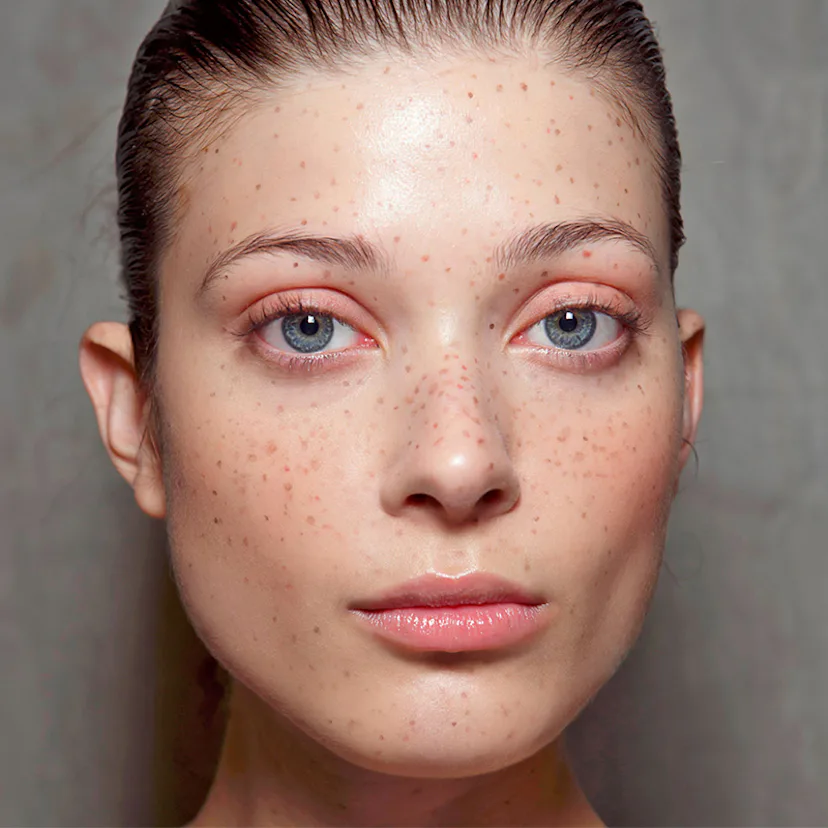
When UV rays penetrate the skin, they trigger biological signals that increase melanin production. This response is part of the body’s natural defence mechanism, but repeated exposure can cause pigment to accumulate unevenly. Some areas may become darker than the surrounding skin, creating visible patches, freckles, or sunspots.
Both UVA and UVB rays contribute to sun-related skin changes. UVA rays penetrate deeper into the skin and contribute to long-term skin damage, while UVB rays are strongly associated with sunburn and can stimulate additional pigment production.
Why Sun Exposure Causes Uneven Skin Tone
Sunlight does not affect every part of the skin equally. Pigmentation may develop in areas that receive frequent exposure, including the face, forehead, cheeks, nose, neck, hands, and forearms.
Several factors influence how the skin responds to sunlight:
Repeated exposure: Spending time outdoors without adequate protection can gradually increase visible pigmentation.
Existing skin damage: Previously damaged areas may develop darker patches after further UV exposure.
Hormonal changes: Hormonal fluctuations can make some people more susceptible to conditions such as melasma, which sunlight may worsen.
Skin inflammation: Acne, irritation, and certain skin injuries can leave dark marks that become more noticeable after sun exposure.
Natural skin characteristics: People with different skin tones can experience pigmentation in different ways, although all skin types can suffer UV damage.
The resulting pigmentation may appear gradually, making it difficult to identify sunlight as the main trigger.
Common Types of Sun-Related Pigmentation
Different forms of pigmentation can develop or become more visible following UV exposure. Recognising their characteristics can help people understand when professional assessment may be appropriate.
Sunspots
Sunspots, also called solar lentigines, are flat brown or dark spots that often appear on areas exposed to sunlight over many years. They are commonly seen on the face, hands, shoulders, and upper chest.
Melasma
Melasma typically causes brown or grey-brown patches, often across the cheeks, forehead, upper lip, or chin. Sun exposure can aggravate melasma, while hormonal changes and genetic factors may also contribute to its development.
Post-Inflammatory Hyperpigmentation
Post-inflammatory hyperpigmentation develops when the skin produces excess pigment following inflammation or injury. Acne marks, irritation, and some cosmetic procedures can trigger this response. UV exposure may darken these marks or prolong their visibility.
Any new, changing, irregular, or bleeding pigmented spot should be assessed by a qualified healthcare professional rather than assumed to be ordinary sun damage.
Why Dubai’s Climate Makes Sun Protection Important
Dubai experiences intense sunshine for much of the year, and outdoor activities can increase cumulative UV exposure. Walking, driving, exercising outdoors, and sitting near windows may all contribute to exposure under certain conditions.
UVA rays can pass through ordinary window glass, although the amount varies with the type of glass and its treatment. Cloud cover also does not eliminate UV exposure. These factors make consistent protection important even when the weather feels mild or the sun does not appear particularly strong.
People concerned about uneven skin tone should consider their daily routines, outdoor habits, and existing skincare practices when assessing possible triggers.
Practical Ways to Reduce Sun-Induced Pigmentation
Preventing further UV damage is an important part of managing existing dark spots and reducing the risk of new pigmentation.
Helpful measures include:
Use broad-spectrum sunscreen: Choose SPF 30 or higher and apply it generously to exposed skin.
Reapply regularly: Reapply approximately every two hours outdoors and after swimming, sweating, or towel-drying.
Wear protective clothing: Wide-brimmed hats, sunglasses, and tightly woven clothing can reduce direct exposure.
Seek shade: Limit direct sunlight when UV levels are high, particularly around midday.
Follow a gentle skincare routine: Avoid excessive exfoliation and products that cause irritation, as inflammation can worsen pigmentation.
Address persistent marks carefully: Seek professional advice before combining strong active ingredients or starting intensive skin treatments.
Tinted sunscreens containing iron oxides may provide additional protection against visible light, which can worsen pigmentation in some people, particularly those prone to melasma.
When Should You Consider Professional Pigmentation Treatment?
Dark spots may persist even after sun exposure is reduced because excess pigment can remain within the skin for an extended period. The appropriate approach depends on the type of pigmentation, skin tone, medical history, and sensitivity.
A professional assessment can help distinguish sunspots from melasma, post-inflammatory hyperpigmentation, and other skin conditions. Depending on the findings, treatment options may include selected topical ingredients, chemical peels, or certain laser-based procedures. Not every treatment is suitable for every skin type, and some procedures can worsen pigmentation when used inappropriately.
Sun protection remains essential during treatment because further UV exposure may reduce improvement or cause pigmentation to return. Individuals should follow aftercare instructions and allow the skin to recover before introducing additional active products.
Conclusion
Sun exposure contributes to skin pigmentation by stimulating melanin production and aggravating existing pigment irregularities. Repeated UV exposure, hormonal influences, inflammation, and individual skin characteristics can all affect how dark spots develop. Consistent sunscreen use, protective clothing, and appropriate skincare can help limit further damage. Persistent or changing pigmentation warrants professional assessment to identify its cause and determine a suitable management plan.