
 Written by
 Losing a significant amount of weight can transform the body, but the skin does not always change at the same pace as the underlying tissues. After major weight reduction, some people are left with folds or hanging skin around the abdomen even after reaching a healthier weight. Tummy Tuck in Islamabad may be considered when excess abdominal skin remains and does not respond to exercise or further weight management.
Why Does Loose Skin Remain After Weight Loss?
Skin has natural elasticity, allowing it to stretch as the body becomes larger and contract when body volume decreases. However, this ability has limits. When skin has remained stretched for a long period, it may not fully return to its previous shape after weight loss.
The amount of loose skin varies from one person to another. Age, genetics, the amount of weight lost, how quickly the weight was lost, pregnancy history, and skin quality can all influence the result. Someone who loses a large amount of weight may therefore have substantial excess skin even after maintaining their new weight.
This is an important distinction because loose skin is not necessarily evidence that additional weight needs to be lost. In some cases, the person’s weight is already appropriate, but the stretched skin remains.
Why Can Further Weight Loss Make the Issue More Noticeable?
When a person continues losing weight after reaching a stable and healthy level, the amount of loose skin may sometimes become more apparent. The underlying volume decreases while the stretched skin remains.
This is why surgical contouring is generally considered only after weight has become relatively stable. If significant weight loss is still expected, the abdominal shape may continue changing, making it difficult to determine the appropriate amount of skin to remove.
A consultation can help establish whether the person is at a suitable stage to discuss surgery or whether additional weight changes should occur first.
How Does Tummy Tuck Address Excess Skin?
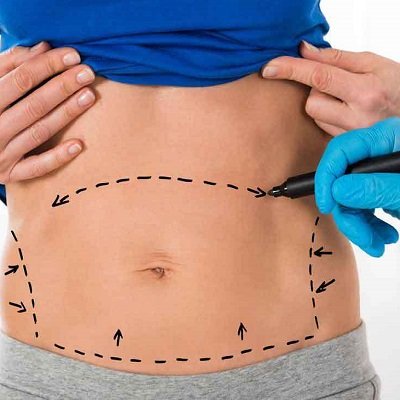
A tummy tuck is designed to remove selected excess skin from the abdomen and reposition the remaining tissues. The surgeon first evaluates how much loose skin is present and where it is concentrated.
During surgery, the excess tissue is carefully removed according to the planned incision and the patient’s anatomy. The remaining skin is then repositioned to create a smoother abdominal surface.
The exact amount of skin that can be removed is not determined simply by how much a patient wants to lose. Safety, tissue blood supply, skin tension, and individual anatomy all influence the surgical plan.
Does the Procedure Remove All Loose Skin?
The purpose of tummy tuck surgery is to improve the abdominal contour, but it does not guarantee that every small area of laxity will disappear. The surgeon must balance contour improvement with safe tissue handling.
Some patients have excess skin mainly below the navel, while others have laxity extending across the entire abdomen. The surgical approach may therefore differ.
Realistic expectations are especially important for people who have experienced major weight loss. The abdomen can be significantly improved while still retaining natural variations in skin texture and contour.
Can Exercise Tighten Loose Abdominal Skin?
Exercise can strengthen abdominal muscles and improve overall fitness, but it cannot directly remove a large amount of loose skin. Building muscle may improve the underlying shape, yet stretched skin can remain over the surface.
This explains why some people continue to notice a lower-abdominal fold despite exercising consistently. The issue may involve skin rather than insufficient abdominal strength.
Exercise remains important for maintaining general health and a stable weight, but it should not be viewed as a guaranteed method for removing substantial excess skin.
Why Is Weight Stability Important?
Stable weight is an important consideration before abdominal contouring surgery. If someone loses or gains a substantial amount of weight after the operation, the skin and underlying tissues can change again.
A stable weight allows the surgeon to plan surgery based on the patient’s more predictable body shape. It can also make it easier to evaluate how much excess skin is actually present.
For people who have recently completed major weight loss, allowing the body to settle before surgery may be discussed as part of the preparation process.
What About Muscle Laxity After Weight Loss?
Major weight changes can affect more than the skin. The abdominal wall may also have stretched during periods when the body was larger.
During an examination, the surgeon may assess whether muscle separation or abdominal wall laxity contributes to the patient’s appearance. If clinically appropriate, muscle repair may be included in the surgical plan.
This is not automatically necessary for every patient. The decision depends on examination findings and the individual’s anatomy.
Can Tummy Tuck Remove Abdominal Fat?
A tummy tuck is not primarily a fat-removal procedure. Its main role is to address excess skin and improve abdominal contour.
Some patients also have localized fat deposits. In selected situations, liposuction may be discussed as an additional contouring procedure. However, the suitability of combining procedures depends on the patient’s health, anatomy, and surgical plan.
Understanding this distinction helps patients choose a procedure based on the actual source of their concern rather than assuming that every abdominal contour issue is caused by fat.
How Does the Abdomen Change During Recovery?
Immediately after surgery, the abdomen may look swollen and feel tight. Bruising and temporary discomfort can also occur. These effects normally change gradually as healing progresses.
Patients receive postoperative instructions covering wound care, activity, medication, and follow-up. Walking and other movements are generally increased gradually according to medical advice, while strenuous activity may be restricted during the early recovery period.
Because swelling can last for some time, patients should allow the body to heal before evaluating the final contour.
Can Stretch Marks Be Affected?
Stretch marks are located within the skin, so their treatment depends on where they are positioned and how much skin is removed. If stretch-marked skin falls within the portion removed during surgery, some of those marks may no longer be present.
However, tummy tuck surgery is not primarily a stretch-mark treatment. Stretch marks that remain outside the removed tissue will generally remain.
The surgeon can explain what may realistically change after examining the location and extent of loose skin.
What Happens to the Belly Button?
The belly button may need to be repositioned during a full tummy tuck because the abdominal skin is moved downward after excess tissue is removed.
The surgeon plans the new position carefully so that the navel remains proportionate to the surrounding abdomen. The exact technique varies according to anatomy and the type of tummy tuck performed.
This is one reason surgical planning is individualized rather than based on a single standard approach.
What Factors Affect the Final Appearance?
The final contour can be influenced by several factors, including the amount of excess skin, skin elasticity, abdominal wall condition, previous surgery, weight stability, healing response, and lifestyle.
Scar development also varies between individuals. Following postoperative instructions and attending scheduled follow-ups can help the surgical team monitor healing.
Patients should understand that surgery can improve a contour but cannot stop future changes caused by aging, pregnancy, or major weight fluctuations.
Who Should Consider a Consultation?
Someone who has completed substantial weight loss and is left with persistent abdominal skin folds may discuss tummy tuck surgery with a qualified plastic surgeon. The same applies to individuals who have loose skin after pregnancy or other major body changes.
The consultation should include a medical assessment rather than relying solely on photographs or online information. The surgeon can determine whether the patient’s concerns are primarily related to skin, fat, muscle, or a combination.
Conclusion
Major weight loss can produce meaningful health and body changes, but stretched abdominal skin may remain even after reaching a stable weight. Tummy Tuck in Islamabad may provide an option for suitable patients who have significant excess abdominal skin that cannot be removed through exercise or ordinary weight management.
The procedure focuses on improving abdominal contour by removing selected excess skin and, when appropriate, addressing other structural concerns. A stable weight, realistic expectations, proper surgical planning, and appropriate aftercare are important parts of the process. A qualified consultation is the best way to determine whether tummy tuck surgery fits an individual’s circumstances and goals.