
 Written by
 Preparing for a cellulite treatment appointment involves understanding your skin concerns, reviewing your health history, and following suitable pre-treatment instructions. For people exploring Cellulite Treatment Dubai, information about treatment preparation at Dynamic Clinic in Dubai can help clarify what to discuss during a consultation. The right preparation depends on the treatment method, the area being treated, and individual skin characteristics.
Understand Your Cellulite Concerns Before the Appointment
Cellulite appears as dimples, uneven texture, or small depressions on the skin, commonly around the thighs, buttocks, and hips. It develops when connective tissue bands beneath the skin interact with fat deposits, creating a puckered appearance. Cellulite is common and can affect people with different body types and fitness levels.
Before your appointment, consider the areas you want to address and the skin changes that concern you most. Think about whether the dimpling is visible while standing, sitting, or only when the skin is compressed. These observations can help the practitioner understand your concerns and assess which treatment options may be appropriate.
Share Your Medical and Skin History
A detailed consultation is an important part of preparing for cellulite treatment. Your medical history can influence the choice of procedure, the level of risk, and the precautions needed before treatment.
Be ready to discuss:
Existing medical conditions and previous procedures.
Current medications, vitamins, and herbal supplements.
Allergies, sensitive skin, or a history of unusual scarring.
Pregnancy or breastfeeding, where relevant to treatment suitability.
Recent skin infections, wounds, irritation, or inflammation in the target area.
Previous cellulite treatments and any reactions you experienced.
Provide accurate information rather than stopping medication or supplements on your own. Some procedures may require specific precautions, but these should be confirmed by a qualified healthcare professional.
Follow the Instructions for Your Chosen Treatment
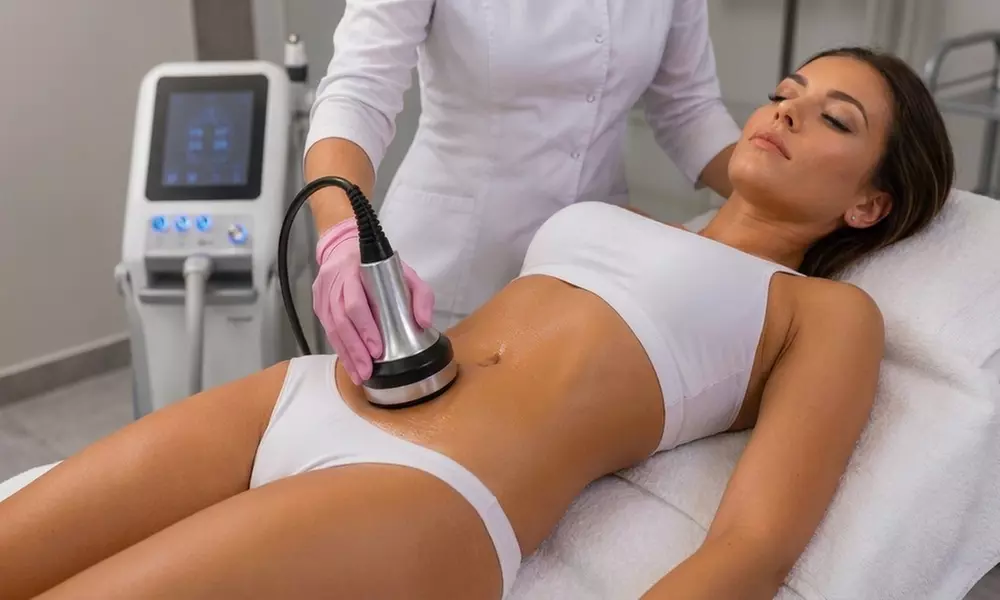
Different cellulite treatments work in different ways. Some use massage or mechanical stimulation, while others may use radiofrequency, laser energy, or other technologies to address skin texture and tissue structure. Preparation instructions therefore vary according to the procedure.
You may be advised to avoid certain skincare products, postpone treatment over irritated skin, or follow specific hygiene instructions. If your procedure involves energy-based technology or an invasive technique, ask whether additional precautions are necessary.
Do not assume that every treatment requires the same preparation. Follow the instructions provided for your specific procedure, especially when they differ from general advice found online.
Prepare Your Skin Before the Visit
Healthy, intact skin can make it easier for a practitioner to assess the treatment area and determine whether the procedure can go ahead. In the days before your appointment, avoid experimenting with new products that might trigger irritation.
Consider these practical steps:
Clean the treatment area gently using products your skin already tolerates.
Avoid harsh exfoliation if it causes redness, dryness, or sensitivity.
Do not apply products that your practitioner has instructed you to avoid.
Inform the clinic about rashes, cuts, sunburn, or other changes affecting the area.
Ask whether shaving or removing body hair is necessary before the procedure.
For people living in Dubai, strong sunlight and outdoor activities can contribute to skin irritation or sun exposure. Follow any advice about sun protection, particularly if your planned treatment may increase skin sensitivity.
Choose Comfortable Clothing and Plan Your Schedule
Wear loose, comfortable clothing that allows easy access to the treatment area. For thigh or buttock treatments, soft trousers or relaxed-fitting garments may be more practical than tight clothing.
Ask whether you can return to work, exercise, or normal activities immediately afterward. Some procedures involve temporary redness, swelling, tenderness, or bruising, so planning a flexible schedule may be helpful. More involved treatments can require additional recovery time.
If exercise is part of your routine, check whether strenuous activity should be limited before or after the appointment. The answer depends on the treatment method and your individual circumstances.
Prepare Questions for Your Consultation
A cellulite treatment consultation is an opportunity to understand what a procedure can realistically achieve. Having questions ready can help you make an informed decision instead of relying on assumptions about results.
Useful questions include:
Which treatment is suitable for my cellulite pattern and skin condition?
How does the procedure work, and what evidence supports its use?
What discomfort or temporary side effects should I expect?
How many sessions might be recommended?
When can I resume exercise and regular activities?
What aftercare instructions will I need to follow?
How will progress be assessed, and what results are realistic?
Results can vary with the treatment method, tissue characteristics, and severity of cellulite. No procedure can guarantee complete or permanent removal, so it is important to understand both its potential benefits and limitations.
Know When to Reschedule
Contact your healthcare provider before attending if you develop an infection, unexplained swelling, a new rash, or an open wound near the treatment area. Recent procedures, medication changes, or other health concerns may also affect whether treatment should proceed.
Do not conceal symptoms to avoid postponing an appointment. A practitioner can determine whether it is safer to continue, modify the plan, or reschedule until the skin has recovered.
Conclusion
Preparing for a cellulite treatment appointment starts with sharing accurate health information, understanding the planned procedure, and following personalized instructions. Clean, healthy skin, comfortable clothing, and realistic expectations can help make the visit more straightforward. A qualified practitioner can explain the appropriate precautions, possible side effects, and aftercare requirements based on your skin and treatment goals.