
 Written by
Good preparation makes any treatment safer, more comfortable and more effective. It also eases anxiety, because you know what to expect and what is expected of you. If you are planning Haemorrhoids Treatment in Dubai, a few simple steps before your visit can make a real difference to your comfort and healing. This guide covers the consultation, the medical checks, diet and lifestyle habits, and what to do on the day of treatment. Follow these steps and you will arrive informed, relaxed and ready. Even a nervous patient can feel in control with the right preparation.
What Should You Do Before the Consultation?
Start by noting your symptoms, including when they began, how often they occur and what makes them better or worse. Keep a short record of your bowel habits, any bleeding and any pain. Make a list of your medicines, supplements and allergies, especially blood thinners or anti-inflammatory tablets. Write down your questions so that nerves do not wipe them from your mind. You can read about the specialist who may see you on Dr Hamid Ali Esmaeilpour’s profile, which helps you feel more comfortable before you arrive. Wear comfortable clothing, and remember that doctors see these problems every day.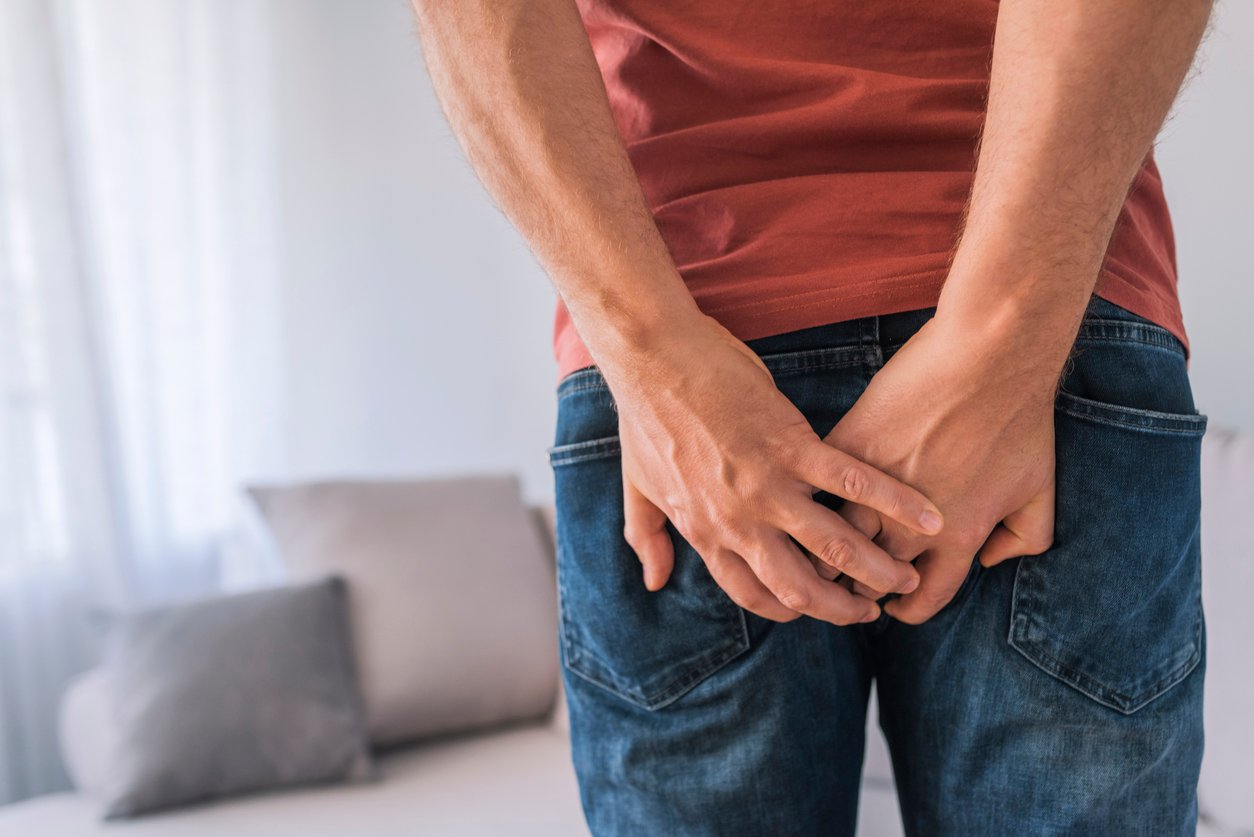
Which Medical Tests Might You Need?
Depending on your symptoms and age, the doctor may request blood tests or a general health check, particularly if there has been bleeding. These help identify anaemia, infection or clotting problems and confirm that you are fit for any planned treatment or anaesthesia. In some cases, a scope examination of the bowel may be advised to rule out other causes. These tests are routine and precautionary, and they are a sign of careful medicine. Be completely honest about all conditions, such as diabetes, high blood pressure or bowel disease. If something needs treatment first, a short delay protects your safety and often leads to a better outcome.
Preparation tasks before treatment:
- Complete all tests requested by the doctor
- Ask which medicines or supplements to pause
- Avoid blood-thinning products unless advised
- Follow fasting instructions if anaesthesia is planned
- Arrange time off work and a lift home
How Should You Adjust Your Diet and Habits?
Diet is one of the most useful tools you have. Eat plenty of fibre-rich foods such as fruit, vegetables, whole grains and pulses, and drink enough water so stools stay soft. Avoid very spicy food, heavy alcohol and excess caffeine if they upset your bowels. Do not strain, and avoid sitting on the toilet for long periods. Gentle exercise, such as walking, supports digestion. If you are overweight, steady weight loss can reduce pressure, and the clinic’s blog offers educational articles on health and wellbeing that may help you plan. Avoid sudden crash diets, which can disturb your bowels and worsen symptoms.
What Should You Do the Day Before Treatment?
If you are having a procedure, follow all instructions about eating and drinking exactly, particularly if sedation or general anaesthesia is planned. Some procedures require a mild bowel preparation, which your doctor will explain clearly. Take a shower, wear clean, loose clothing and remove jewellery. Pack a small bag with comfortable underwear, sanitary pads and any items the clinic requested. Arrange for someone to take you home afterwards, since you may not be able to drive. Try to sleep well, and avoid alcohol. If you feel nervous, tell the team, because they are experienced in helping patients feel calm.
| Timing | What to Do | Why It Helps |
|---|---|---|
| Weeks before | Improve diet, review medicines | Softer stools and safer treatment |
| 1 week before | Arrange time off and support at home | Reduces stress during recovery |
| 1 day before | Follow fasting and preparation advice | Prepares you for the procedure |
| Morning of treatment | Wear loose clothes, arrive with escort | Keeps the day smooth |
| After treatment | Rest and follow aftercare | Supports safe healing |
How Do You Prepare Your Home for Recovery?
Set up a comfortable space before you leave for the clinic. Keep water, fibre-rich snacks, prescribed medicines, soft toilet paper or wet wipes and a clean towel close by. A cushion or ring may make sitting more comfortable for some people, so ask your doctor whether one is suitable. Have a tub or basin available for warm baths if advised. Prepare easy, high-fibre meals in advance and arrange time off work. Avoid planning travel or important events for the first week or two. A calm, organised home helps you focus on resting and healing instead of managing chores.
What Should You Avoid Before Treatment?
Certain habits can complicate treatment. Do not take blood-thinning products such as aspirin or certain supplements without your doctor’s approval, because they can increase bleeding. Avoid laxatives you have not discussed, as overuse can irritate the bowel. Do not try to treat the problem yourself with strong creams, herbal mixtures or devices bought online, since these can irritate the skin or worsen symptoms. Avoid smoking, which slows healing, and limit alcohol. Never hide symptoms or medicines out of embarrassment. The more honest you are, the safer and more effective your treatment will be, and the better your recovery will go.
What Questions Should You Ask Your Doctor?
Prepare questions in advance so that you leave feeling informed. Ask which treatment is recommended and why, what alternatives exist, how long recovery takes and what restrictions apply. Find out what pain to expect, how it is managed and which symptoms need urgent attention. Ask who to contact after hours and how follow-up works. Ask how likely it is that the haemorrhoids will return and what you can do to prevent it. Write the answers down so that you can review them calmly at home. A trustworthy clinic welcomes your questions as a sign that you are taking your health seriously.
Final Thoughts
Preparation turns uncertainty into confidence. Gather your symptoms, complete the medical checks, improve your diet, organise your home and keep an open line with your doctor. When you arrive informed and supported, you give yourself the best foundation for a comfortable treatment and a smooth recovery.