
 Written by
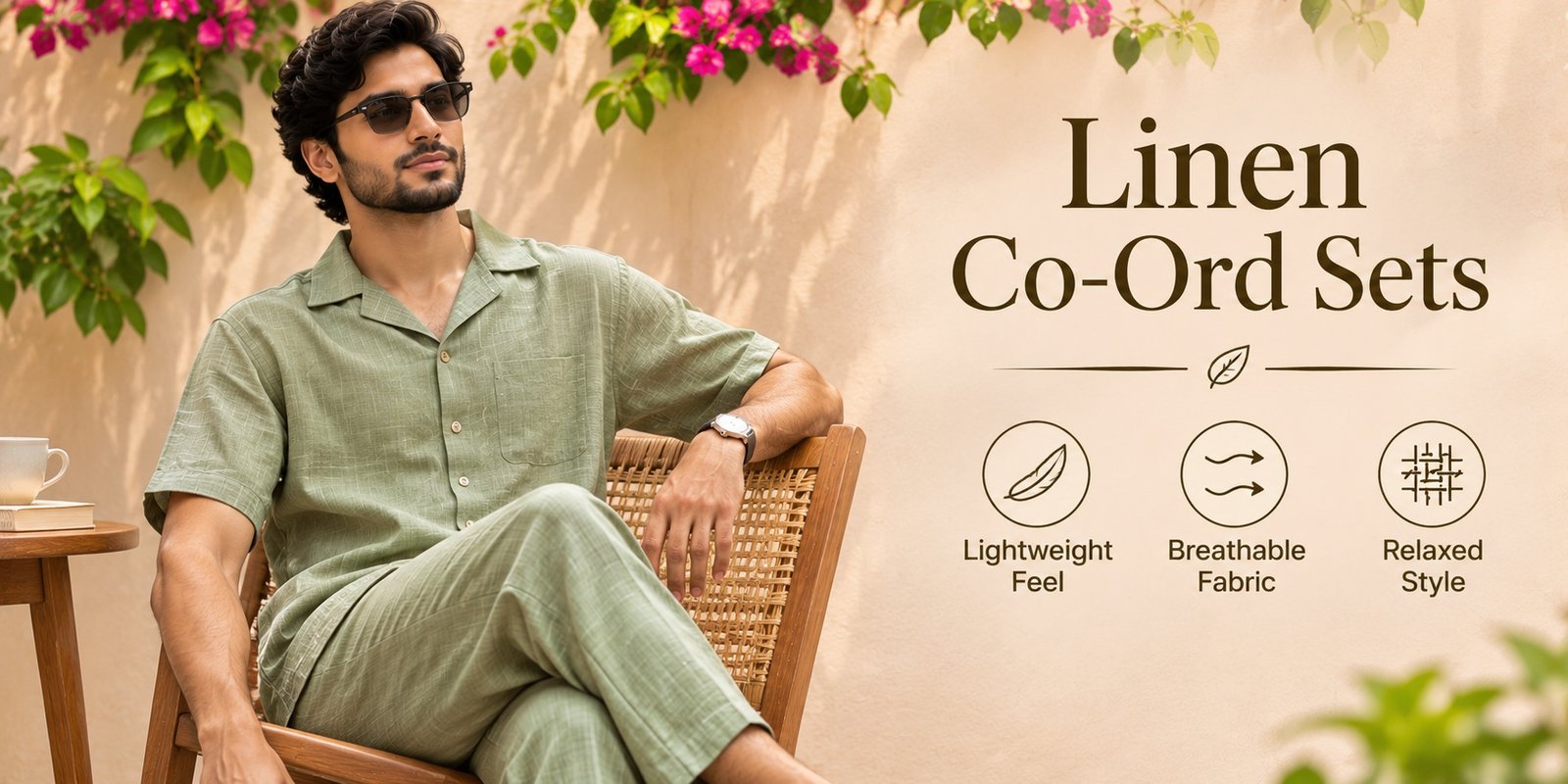
Linen co-ord sets are a popular choice for men who prefer comfortable clothing with a clean and relaxed appearance. Their lightweight feel, breathable texture, and natural finish make them suitable for everyday wear, holidays, casual outings, and summer dressing. However, linen has a distinct fabric structure that requires proper care to maintain its appearance and quality over time.
Following the right linen co ord set care routine can help prevent unnecessary fabric damage, maintain colour, and keep both pieces looking presentable. From washing and drying to ironing and storage, a few simple habits can make a difference in how long your outfit stays in good condition.
Understanding the Nature of Linen Fabric
Linen is made from flax fibres and is known for its breathable texture and natural appearance. Unlike some synthetic fabrics, linen wrinkles relatively easily. These creases are a normal characteristic of the material and are part of its relaxed look.
Linen can also become softer with regular use and appropriate washing. However, rough handling, excessive heat, harsh detergents, and incorrect drying methods may affect its texture and appearance.
A linen co-ord set usually includes a matching shirt and trouser. Since both pieces are designed to be worn together, maintaining them with similar care helps preserve their coordinated appearance.
How to Wash a Linen Co-Ord Set Properly
Proper linen garment washing is one of the most important parts of fabric maintenance. The cleaning method should depend on the fabric composition, garment construction, and care label instructions.
1. Check the Care Label Before Washing
Before washing your linen co-ord set, read the care label attached to the garment. Some linen outfits are made from pure linen, while others contain cotton or synthetic fibre blends.
The washing requirements may differ depending on the material and finishing. If the label recommends dry cleaning or a specific cleaning method, follow those instructions rather than experimenting with home washing.
2. Separate Clothes by Colour
Always separate light and dark garments before washing. White, cream, and beige linen sets should be washed separately from dark-coloured clothing to reduce the possibility of colour transfer.
Also avoid washing linen with garments that have rough zippers, hooks, or heavy embellishments. These can rub against the fabric and cause unnecessary friction.
3. Use a Gentle Washing Method
A gentle washing cycle is generally preferable when the care label permits machine washing. Use a mild detergent and avoid harsh cleaning products that may affect the fabric.
For hand washing, use cool or lukewarm water and gently move the garment through the water. Avoid scrubbing, twisting, or pulling the fabric aggressively.
Do not overload the washing machine. Linen garments need enough space to move freely during washing. This helps reduce excessive creasing and friction.
4. Avoid Excessive Detergent
Using more detergent does not necessarily make clothes cleaner. Excessive detergent can leave residue on the fabric, affecting its feel and appearance.
Follow the detergent manufacturer’s recommended quantity. For regular cleaning, a mild detergent suitable for delicate garments is usually a sensible choice.
Best Way to Dry Linen Co-Ord Sets
Drying is another important part of linen garment washing and overall maintenance. Incorrect drying can create deep creases, affect the shape, or expose the fabric to unnecessary heat.
Air Dry Whenever Possible
Air drying is a practical option for linen clothing. After washing, gently remove excess water without twisting the garment. Hang the shirt and trousers separately on suitable hangers or spread them flat if recommended by the care label.
Choose a well-ventilated area away from direct, intense sunlight. Strong sunlight over long periods may affect the colour of some dyed fabrics.
Avoid High Heat
High heat can be unsuitable for many linen garments, particularly those with blended fibres or special finishes. If you use a tumble dryer, check the care label first and follow its temperature recommendations.
Remove the garments promptly when the drying cycle finishes. Leaving them inside the dryer can encourage additional creasing.
How to Iron Linen Without Damaging It
Linen naturally develops wrinkles, so ironing may be needed when you want a sharper appearance. The right technique can help smooth the fabric without exposing it to unnecessary heat.
- Check the recommended ironing temperature on the care label.
- Iron while the fabric is slightly damp if the instructions permit.
- Turn the garment inside out to help protect its outer surface.
- Use steam when suitable for the fabric.
- Avoid keeping the iron in one position for too long.
- Pay attention to collars, cuffs, button areas, and trouser creases.
If the linen is completely dry and heavily wrinkled, lightly misting it with water may help, provided the care instructions allow it. Always test a small, less visible area if you are unsure how the fabric will respond.
Clothing Storage Tips for Linen Co-Ord Sets
Proper storage helps protect linen clothing from dust, moisture, unwanted creases, and unnecessary wear. Since a co-ord set contains two matching pieces, storing them together can also make outfit selection easier.
1. Store Only Clean and Dry Garments
Never store linen clothing while it is damp or sweaty. Moisture trapped in folded garments can encourage unpleasant odours and may lead to mildew.
Make sure both the shirt and trousers are completely dry before placing them in your wardrobe.
2. Use Suitable Hangers
Shirts can be stored on broad, smooth hangers that support the shoulder area. Avoid thin wire hangers that may create marks or distort the garment’s shape.
Trousers can be folded neatly or hung using suitable trouser hangers. Choose the method that keeps the fabric supported without creating unnecessary pressure.
3. Avoid Overcrowding the Wardrobe
Closely packed clothes can develop additional creases due to constant pressure. Leave enough space around your linen garments so they can hang or fold naturally.
If you prefer folding, place the shirt and trousers together in a clean, dry wardrobe section. Avoid placing heavy items on top of them.
4. Protect Linen from Dust and Moisture
Store linen in a clean, dry, and ventilated space. Avoid damp cupboards and plastic covers that may trap moisture for long periods.
Breathable garment covers can help protect outfits from dust while allowing better air circulation.
Everyday Habits That Help Maintain Linen Quality
Good fabric maintenance is not limited to washing and storage. Your daily habits also influence how your linen co-ord set looks over time.
Allow the outfit to air out after wearing: Hang the shirt and trousers in a ventilated area before storing them. This helps release trapped moisture and everyday odours.
Treat stains early: If something spills on the fabric, gently blot the area with a clean cloth. Avoid rubbing aggressively, as this may spread the stain or affect the fibres.
Avoid unnecessary washing: If the outfit is not visibly dirty and does not have an unpleasant odour, airing it out may be sufficient. Wash it when needed rather than after every short wear.
Rotate your outfits: Wearing the same linen set continuously can increase friction and wear. Rotating it with other clothing gives the fabric time to rest.
Handle carefully: Be mindful of rough surfaces, sharp accessories, and bags that may repeatedly rub against the fabric.
Common Linen Care Mistakes to Avoid
Even good-quality linen can lose its appearance when handled incorrectly. Avoid these common mistakes:
- Washing linen with harsh detergents or unsuitable cleaning products.
- Using hot water without checking the care instructions.
- Twisting or wringing garments aggressively after washing.
- Drying coloured linen in intense direct sunlight for long periods.
- Ironing at an unsuitable temperature.
- Storing garments before they are completely dry.
- Keeping linen clothes compressed in an overcrowded wardrobe.
Avoiding these habits can help maintain the fabric’s natural texture, shape, and colour.
Conclusion
Taking care of a linen co-ord set does not require complicated routines. Gentle washing, appropriate drying, careful ironing, and proper storage can help preserve its comfort and appearance. Always follow the garment’s care label because pure linen and blended fabrics may have different requirements.
With consistent linen co ord set care, you can reduce unnecessary fabric damage and keep both pieces looking presentable. Simple fabric maintenance and practical clothing storage tips can help your favourite linen outfit remain a useful part of your wardrobe for a long time.