
 Written by
 Cellulite is a common skin concern that can affect the thighs, hips, buttocks, and abdomen, creating a dimpled or uneven appearance. Cellulite Treatment in Dubai may be considered by people who want to improve the visible texture of affected skin while creating a smoother body profile. Although cellulite treatment can complement body-contouring goals, its primary purpose is usually to improve skin appearance rather than remove substantial amounts of body fat.
What Does Body Contouring Actually Mean?
Body contouring refers to treatments designed to improve the shape, proportion, or definition of specific areas of the body. Depending on the technique, it may involve reducing localized fat, tightening loose skin, or improving tissue structure.
Cellulite treatment addresses a different concern. Cellulite develops when underlying fat pushes against connective tissue, creating a characteristic uneven surface. Factors such as genetics, skin elasticity, hormonal changes, age, and changes in body composition can influence its appearance.
This distinction is important because someone may have a healthy body weight and still have noticeable cellulite.
Can Cellulite Treatment Improve Body Contouring?
Cellulite treatment can support the visual aspect of body contouring by making treated areas appear smoother and more even. Certain techniques focus on the structures beneath the skin, while others may target tissue firmness, circulation, collagen production, or the appearance of dimples.
The potential improvement depends on factors such as:
- The location and severity of cellulite
- Skin elasticity and tissue quality
- The treatment technique selected
- The number of sessions recommended
- Individual response to treatment
- Lifestyle and changes in body weight
For this reason, cellulite treatment should not automatically be considered a fat-reduction procedure. Its role is generally more focused on improving surface irregularities and skin texture.
How Is Cellulite Different From Localized Fat?
Understanding the difference between cellulite and excess fat helps explain why treatment approaches vary.
Localized fat refers to pockets of adipose tissue that can contribute to the size or shape of a body area. Cellulite, in contrast, describes a surface appearance caused by the interaction between fat, connective tissue, skin, and other structural factors.
A person can have:
- Cellulite without significant excess fat
- Localized fat without obvious cellulite
- Both cellulite and localized fat
- Loose skin alongside cellulite
Because these concerns can overlap, an appropriate treatment plan depends on the specific characteristics of the area being assessed.
Which Areas May Be Treated?
Cellulite commonly appears in areas where the skin and underlying tissues create visible dimpling. Treatment may be considered for areas such as:
- Thighs
- Buttocks
- Hips
- Abdomen
- Upper arms in some cases
The suitability of a treatment depends on the condition of the skin and underlying tissue rather than simply the location of cellulite.
What Happens During Cellulite Treatment?
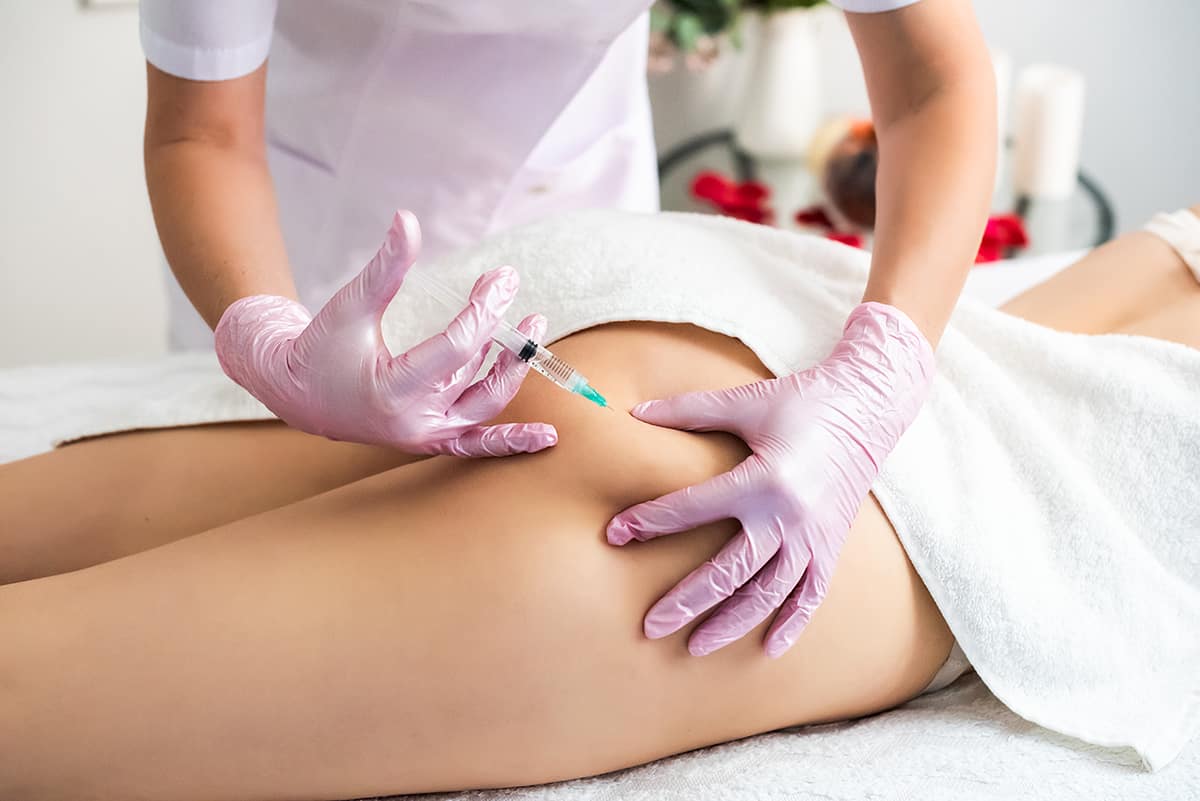
The treatment process varies according to the technology or technique used. Some approaches use energy-based methods to influence tissue beneath the skin, while others may focus on connective tissue or stimulate processes associated with skin firmness.
A professional assessment generally considers the texture of the skin, the distribution of cellulite, tissue laxity, medical history, and the person’s expectations. This helps determine whether cellulite-focused treatment is appropriate or whether another body-contouring approach may better address the main concern.
Does Cellulite Treatment Reduce Body Weight?
No. Cellulite treatment should not be viewed as a weight-loss method.
Improving the appearance of cellulite is different from reducing overall body weight. Even after losing weight, cellulite may remain because its development involves connective tissue structure, skin characteristics, genetics, and other factors.
Similarly, a person does not necessarily need to lose weight before seeking advice about cellulite. Treatment planning is based on the appearance and characteristics of the affected area.
What Results Can You Expect?
Results vary according to the treatment method and individual factors. Some people may notice smoother-looking skin or reduced visibility of dimples, while others may require a course of treatments to achieve noticeable changes.
Maintaining stable body weight, staying physically active, eating a balanced diet, and following post-treatment guidance can support overall skin and body health. These habits do not guarantee that cellulite will disappear, but they can contribute to healthier-looking skin and tissue.
Is Cellulite Treatment Right for Body-Contouring Goals?
Cellulite treatment may be suitable when the main concern is uneven, dimpled skin rather than significant fat accumulation. If the goal involves several concerns, such as excess fat, loose skin, and cellulite, a qualified healthcare professional can evaluate whether a combination of approaches would be more appropriate.
The most useful starting point is to identify what is actually affecting the body’s appearance. Treating cellulite, reducing localized fat, and tightening loose skin are separate objectives, even though they may contribute to a more contoured appearance when appropriately addressed.
Conclusion
Cellulite treatment can play a supportive role in body-contouring goals by improving the appearance of dimples, uneven texture, and skin irregularities. However, it is not primarily a weight-loss or substantial fat-removal procedure. Understanding the difference between cellulite and other body-shape concerns helps people choose an approach based on their individual needs and realistic treatment goals.