
 Written by
 Introduction
Liposuction is a cosmetic surgical procedure that helps remove localized fat deposits and improve the contours of selected body areas. It is often considered by people who maintain a healthy lifestyle but struggle with stubborn fat around the abdomen, thighs, arms, hips, or chin.Liposuction in Islamabad is an option for individuals interested in professional body-contouring procedures and seeking information about their safety, effectiveness, and recovery.
What Is Liposuction and How Does It Work?
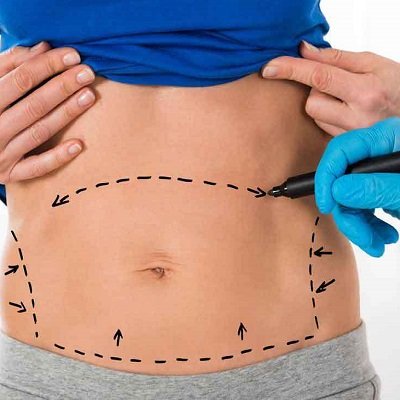
Liposuction removes fat from specific areas using a surgical technique. The surgeon typically makes small incisions and inserts a narrow tube called a cannula to loosen and remove unwanted fat.The procedure can be performed on different areas, including the abdomen, thighs, upper arms, back, hips, and beneath the chin. The appropriate technique depends on the treatment area, the patient’s anatomy, and the surgeon’s assessment.
Liposuction is not primarily a weight-loss treatment. Instead, it aims to improve body contours by reducing localized fat deposits. Patients who are close to a stable, healthy weight may be more suitable candidates than those seeking treatment for significant obesity.
Is Liposuction Safe in Islamabad?
Liposuction can be performed safely in appropriately selected patients when it is carried out by a suitably qualified surgeon in a properly equipped medical facility. However, no surgical procedure is entirely risk-free.Safety depends on several factors, including the surgeon’s training, the patient’s medical history, the extent of fat removal, anesthesia arrangements, and the quality of postoperative monitoring.
Before choosing a provider in Islamabad, patients should verify the surgeon’s qualifications and relevant registration. They should also ask whether the procedure will take place in an appropriately equipped facility with trained staff and emergency support.A thorough consultation is essential. The surgeon should assess the patient’s general health, discuss possible complications, explain the expected outcome, and determine whether liposuction is an appropriate option.
Patients should be cautious of providers who promise guaranteed results or suggest that the procedure has no risks.
How Effective Is Liposuction?
Liposuction can be effective for reducing localized fat deposits and improving body contours. Many patients notice changes in the treated areas as swelling decreases and recovery progresses.
The degree of improvement varies from person to person. Factors that influence the results include:
The amount and distribution of localized fat.
Skin elasticity and the ability of the skin to adapt to the new contours.
The patient’s overall health and body composition.
The surgical technique and extent of treatment.
The body’s healing process.
Weight stability after the procedure.
It is important to understand that liposuction does not guarantee a perfectly smooth or symmetrical appearance. Some patients may experience uneven contours, loose skin, or results that differ from their expectations.
A qualified surgeon should explain the likely benefits and limitations based on an individual examination.
Who Is a Suitable Candidate?
Liposuction may be appropriate for adults who have localized fat deposits that remain despite reasonable efforts to maintain a healthy lifestyle.Potential candidates generally have relatively stable body weight, realistic expectations, and sufficient overall health to undergo surgery and anesthesia.
Skin elasticity is also important. People with significant loose skin may not achieve the desired contour from fat removal alone. In some cases, another procedure may need to be considered, although this depends on individual circumstances.Liposuction may not be suitable for individuals with certain uncontrolled medical conditions, significant anesthesia risks, or expectations that cannot realistically be achieved through surgery.
The surgeon must review the patient’s medical history, medications, previous operations, and other relevant health factors before recommending treatment.
Common Areas Treated With Liposuction
Liposuction can target several areas of the body.
Abdominal Liposuction
Abdominal liposuction targets localized fat around the stomach. It may improve abdominal contours, but it does not repair separated abdominal muscles or remove substantial excess skin by itself.
Chin and Neck Liposuction
This procedure targets fat beneath the chin or around selected areas of the neck. Suitability depends on the amount of fat, skin elasticity, and underlying anatomy.
Arm Liposuction
Arm liposuction reduces selected fat deposits in the upper arms. Patients with considerable skin laxity may need an assessment for other treatment options.
Thigh Liposuction
Thigh liposuction targets localized fat on the inner or outer thighs. The surgeon evaluates the distribution of fat and the expected effect on overall leg contours.
Back and Flank Liposuction
This procedure removes selected fat deposits around the back and sides of the waist. The extent of improvement depends on the patient’s anatomy and skin characteristics.The best treatment area and technique should be determined through a professional consultation rather than online advice alone.
What Are the Possible Risks?
Although liposuction is commonly performed, it can cause complications. Patients should understand these risks before agreeing to surgery.
Possible complications include:
Swelling and bruising: These are common during the early recovery period and usually improve gradually.
Pain and discomfort: Tenderness may occur around the treated areas.
Infection: Incisions and surgical wounds can become infected.
Bleeding or fluid accumulation: Some patients may develop bleeding or collections of fluid beneath the skin.
Contour irregularities: Uneven fat removal, changes in skin elasticity, or healing differences may affect the appearance of the treated area.
Changes in sensation: Numbness or altered skin sensation may occur and can sometimes persist.
Anesthesia complications: Reactions or other complications may occur depending on the anesthesia used and the patient’s health.
Blood clots and serious complications: Although less common, potentially serious complications can occur, especially with extensive procedures or additional risk factors.
The likelihood and severity of complications vary. Patients should ask their surgeon which risks are particularly relevant to their circumstances and what measures will be used to reduce them.Seek urgent medical attention for symptoms such as chest pain, sudden shortness of breath, fainting, or severe or rapidly worsening symptoms after surgery.
How Can Patients Improve Surgical Safety?
Patients can take several practical steps to support safer treatment.
First, choose a surgeon with appropriate qualifications and experience in the proposed procedure. Verify credentials and ask where the surgery will take place.
Second, provide an accurate medical history. Disclose all prescription medicines, over-the-counter drugs, supplements, allergies, smoking, and previous surgical procedures. Do not stop prescribed medication without medical advice.
Third, follow all preoperative instructions. These may include guidance about fasting, medication adjustments, smoking cessation, and arranging transportation after surgery.
Finally, follow the postoperative plan carefully. Attend scheduled appointments, use prescribed compression garments as directed, take medications according to instructions, and gradually resume activity with the surgical team’s guidance.
Do not hesitate to contact the medical team if something seems unusual during recovery.
What Is Recovery Like After Liposuction?
Recovery varies depending on the treatment area, the amount of fat removed, and the patient’s general health.
Swelling, bruising, and tenderness are expected during the initial recovery period. Some patients can resume light daily activities within a few days, while others need longer before returning to work or more demanding tasks.Compression garments may be recommended to help control swelling and support the treated areas. Exercise and strenuous activity should be resumed only according to the surgeon’s instructions.
Initial improvements may become visible within several weeks, but residual swelling can take months to resolve. Final results should therefore not be judged immediately after surgery.Patients should follow their individual recovery instructions rather than comparing their progress with someone else’s experience.
Does Liposuction Provide Permanent Results?
Fat cells removed during liposuction do not normally grow back in the same way. However, the remaining fat cells can enlarge if a person gains weight.This means the results may be long-lasting when body weight remains relatively stable, but they are not completely protected against future changes.A balanced diet, regular physical activity, and sustainable lifestyle habits can help maintain the results. Liposuction does not prevent future weight gain or eliminate the need for healthy habits.
Conclusion
Liposuction in Islamabad can be an effective option for reducing localized fat deposits and improving body contours in appropriately selected patients. Its safety depends on professional assessment, the surgeon’s qualifications, suitable medical facilities, careful surgical planning, and appropriate aftercare.
Before proceeding, discuss your health history, expected results, possible complications, and recovery requirements with a qualified surgeon. Make sure you understand the benefits and limitations of the procedure and avoid providers who promise risk-free surgery.