
 Written by
Safety and pain are the two biggest worries for anyone thinking about a tummy tuck. It is a major surgery, so these concerns are completely natural, and honest answers help you decide with confidence. Tummy Tuck in Islamabad is generally considered safe when it is performed by a qualified surgeon in a proper surgical facility on a suitable patient. Pain is also usually well controlled with modern anaesthesia and medication. Still, every surgery carries some risk, and knowing the facts helps you prepare. This article explains how safe the procedure is, what pain to expect, and how to protect yourself.
How Safe Is a Tummy Tuck?
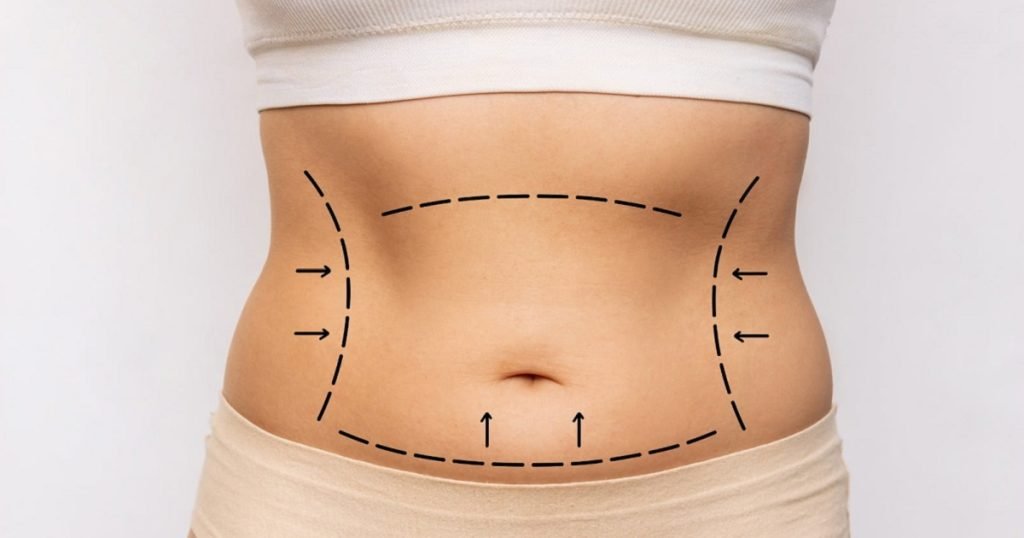
A tummy tuck is one of the most commonly performed cosmetic surgeries, and for healthy patients with realistic expectations it has a good safety record. Safety depends on several factors, including the surgeon’s skill, the hygiene standards of the facility, your general health, and how closely you follow instructions. A thorough check before surgery helps identify anything that could raise risk, such as smoking, high blood pressure, or diabetes. Because the operation involves general anaesthesia and tissue repair, it should never be done in an unprepared setting. Choosing an experienced surgeon and a reliable clinic is the most important step you can take for your safety.
Will You Feel Pain During the Surgery?
No, you should not feel pain during the operation. A tummy tuck is normally performed under general anaesthesia, so you are fully asleep and unaware of the procedure. The anaesthesia team monitors your heart rate, breathing, and blood pressure from start to finish. Many patients worry about waking up during surgery, but this is extremely rare with modern techniques and careful monitoring. Before the operation, you will meet the anaesthetist and discuss your medical history, allergies, and any previous reactions to anaesthesia. This conversation helps the team choose the safest plan for you and answers questions that may be causing anxiety.
How Painful Is the Recovery?
After you wake up, you will feel soreness and tightness in the abdomen, and it may be uncomfortable to stand or cough. Most patients describe the pain as moderate and manageable with prescribed medicine, rather than unbearable. The strongest discomfort usually occurs in the first three to five days and then eases steadily. Wearing a compression garment, resting with your body slightly bent, and walking gently help reduce tension on the stitches. By the second week, many people need only mild pain relief. If your pain suddenly increases or does not improve, tell your surgeon, since it can be a sign of a problem that needs attention.
What Are the Possible Risks?
Like all surgeries, a tummy tuck has risks, although serious complications are not common. The table below lists the main ones and how they are usually handled.
| Possible Issue | What It Means | How It Is Usually Managed |
|---|---|---|
| Swelling and bruising | Normal reaction to surgery | Compression, rest, time |
| Fluid collection (seroma) | Fluid under the skin | Drainage by the surgeon |
| Infection | Bacteria entering the wound | Hygiene, antibiotics |
| Delayed wound healing | Poor blood flow, smoking | Wound care and follow-up |
| Visible scarring | Individual healing pattern | Careful technique, scar care |
| Blood clots | Reduced movement after surgery | Early walking, medical care |
Most of these problems can be prevented or treated when they are noticed early. Your surgeon should explain each risk in detail before you agree to the operation.
What Factors Increase the Risk?
Some factors make complications more likely, and being honest about them helps your surgeon protect you. Smoking is one of the biggest, as it reduces blood supply and slows healing. Being significantly overweight, having diabetes, high blood pressure, or taking blood-thinning medicines can also raise risk. Combining several large procedures in one session may increase the strain on your body. Poor aftercare, such as lifting heavy objects too early, can stress the repair. Sharing your full medical history and following the preparation advice lowers these risks significantly. A responsible surgeon may also recommend a smaller option or delay surgery if it is not yet safe for you.
How Can You Make the Surgery Safer?
You play an important role in your own safety. Simple choices before and after the operation can protect your health and your results. Here is what you can do:
- Choose a licensed, experienced surgeon and a clean, well-equipped clinic
- Share your complete medical history, medicines, and allergies
- Stop smoking well before surgery as advised
- Reach a stable, healthy weight before the operation
- Follow fasting and medicine instructions exactly
- Walk gently after surgery and attend every follow-up visit
What Should You Look for in a Safe Clinic?
The place where you have surgery matters as much as the person who performs it. A reliable clinic provides a detailed consultation, explains risks honestly, uses proper hygiene and monitoring, and gives you a clear aftercare plan. You can explore the range of services at a cosmetic surgery clinic in Islamabad to see how an established team presents its procedures and facilities. Be cautious about any place that promises perfect results, rushes you into a decision, or avoids discussing complications. If you only need fat reduction and not skin removal, ask whether liposuction could be a gentler option for your situation, since a good surgeon will always discuss alternatives.
Final Thought
A tummy tuck is generally safe and the pain is usually well controlled when you choose the right surgeon, follow instructions, and prepare properly. Honest information, realistic expectations, and a trustworthy clinic make the biggest difference. If you still feel unsure, book a consultation, ask every question on your mind, and take decisions only when you feel fully confident.