
 Written by
Maintaining good oral health involves more than routine dental cleanings and cavity prevention. Regular examinations can also help identify unusual changes in the mouth that may require further medical attention. Oral Cancer Screening in Etobicoke is an important part of preventive dental care because it helps dental professionals look for early warning signs of oral cancer and other abnormalities. Early detection can make a meaningful difference in diagnosis and treatment outcomes. SunDent Family Dental recognizes the importance of routine dental examinations and encourages patients to stay informed about their oral health.
What Is Oral Cancer Screening?
Oral cancer screening is a visual and physical examination of the mouth and surrounding tissues to identify unusual changes that may indicate oral cancer or precancerous conditions.
During the examination, a dental professional may check different areas, including:
Lips and inner cheeks.
Tongue and the sides of the tongue.
Floor and roof of the mouth.
Gums and surrounding tissues.
Back of the throat.
Neck and jaw area for unusual lumps or swelling.
The purpose of screening is to identify suspicious changes that may need additional investigation. A screening examination does not confirm whether someone has cancer. If an unusual area is discovered, further testing, including a biopsy, may be necessary.
Why Is Early Oral Cancer Detection Important?
Oral cancer can sometimes develop without noticeable symptoms during its early stages. Some changes may initially appear minor or resemble common mouth irritation.
Regular dental examinations provide an opportunity to identify suspicious areas before symptoms become more advanced.
Early detection may offer several important benefits:
Timely Medical Assessment: Unusual changes can be identified and referred for further evaluation.
Better Awareness: Patients become more familiar with their oral health and recognize changes that should not be ignored.
Appropriate Treatment Planning: Confirmed diagnoses can help healthcare professionals determine suitable treatment options.
Reduced Delays: Identifying suspicious symptoms early may prevent patients from postponing necessary medical attention.
Although screening cannot prevent every case of oral cancer, it plays an important role in identifying abnormalities that deserve attention.
Common Warning Signs of Oral Cancer
Knowing the possible warning signs can help patients recognize when professional evaluation may be necessary.
Some symptoms to watch for include:
A mouth sore that does not heal.
Red or white patches inside the mouth.
Persistent pain in the mouth or throat.
Difficulty swallowing or chewing.
A lump or thickened area inside the mouth.
Unexplained bleeding in the mouth.
Persistent hoarseness or voice changes.
Numbness in the tongue or other areas of the mouth.
A persistent feeling that something is caught in the throat.
These symptoms do not necessarily indicate cancer. However, any unexplained mouth sore, lump, or other unusual change that persists for more than two weeks should be assessed by a healthcare professional.
What Happens During an Oral Cancer Screening?
Many patients feel more comfortable attending dental appointments when they understand what to expect.
An oral cancer screening is generally straightforward and may be included as part of a routine dental examination.
1. Reviewing Medical History
The dental professional may ask about medical history, tobacco use, alcohol consumption, and any unusual symptoms or changes noticed recently.
2. Visual Examination
The dentist examines the lips, cheeks, tongue, gums, and other accessible areas of the mouth for unusual patches, sores, or tissue changes.
3. Physical Examination
The dentist may gently feel the tissues inside the mouth and examine the jaw and neck for unusual lumps or swelling.
4. Further Recommendations
If an abnormal area is identified, the dental professional may recommend monitoring, additional investigations, or referral to an appropriate healthcare specialist.
The screening itself is not a substitute for diagnostic testing. A biopsy is generally required to determine whether suspicious tissue is cancerous.
Risk Factors Associated With Oral Cancer
Although oral cancer can affect different individuals, certain factors may increase the likelihood of developing the condition.
Understanding these risk factors can help patients make informed decisions about their health.
Tobacco Use: Smoking cigarettes, cigars, and using smokeless tobacco products are significant risk factors for oral cancer.
Alcohol Consumption: Frequent or heavy alcohol use increases risk, particularly when combined with tobacco use.
HPV Infection: Certain types of human papillomavirus, especially HPV-16, are associated with cancers of the oropharynx.
Age: The risk of oral cancer generally increases with age, although younger individuals can also develop the disease.
Previous Oral Cancer: Individuals with a history of oral cancer may require ongoing professional monitoring.
Having one or more risk factors does not mean someone will develop oral cancer. Similarly, people without known risk factors can still be affected.
Who Should Consider Regular Oral Cancer Screenings?
Oral cancer screening can be discussed during routine dental visits, particularly for individuals with known risk factors or unexplained oral symptoms.
People who may benefit from discussing screening with their dental professional include:
Individuals who use tobacco products.
People with frequent or heavy alcohol consumption.
Individuals with a history of HPV infection.
Patients with previous oral cancer diagnoses.
Anyone experiencing persistent mouth sores or unusual tissue changes.
Patients should not wait for their next routine dental appointment if they notice a suspicious or persistent change in their mouth. Seeking professional assessment promptly is important.
How to Support Better Oral Health and Reduce Risk
While not every case of oral cancer can be prevented, certain lifestyle choices can help reduce risk and support overall oral health.
Consider these preventive habits:
Avoid smoking and all forms of tobacco.
Limit or avoid alcohol consumption.
Discuss HPV vaccination with a healthcare professional.
Maintain consistent oral hygiene habits.
Attend regular dental examinations.
Pay attention to unusual changes in your mouth.
Follow professional recommendations for additional assessments.
Being proactive about oral health helps patients recognize potential concerns and seek appropriate care when needed.
Choosing a Dental Clinic for Oral Cancer Screening in Etobicoke
Selecting a dental clinic that emphasizes preventive care can help patients stay informed about their oral health. A good dental experience should include clear communication, thorough examinations, and appropriate recommendations based on individual needs.
When researching Oral Cancer Screening in Etobicoke, consider the clinic’s examination services, preventive care approach, patient communication, and availability of further referrals when necessary.
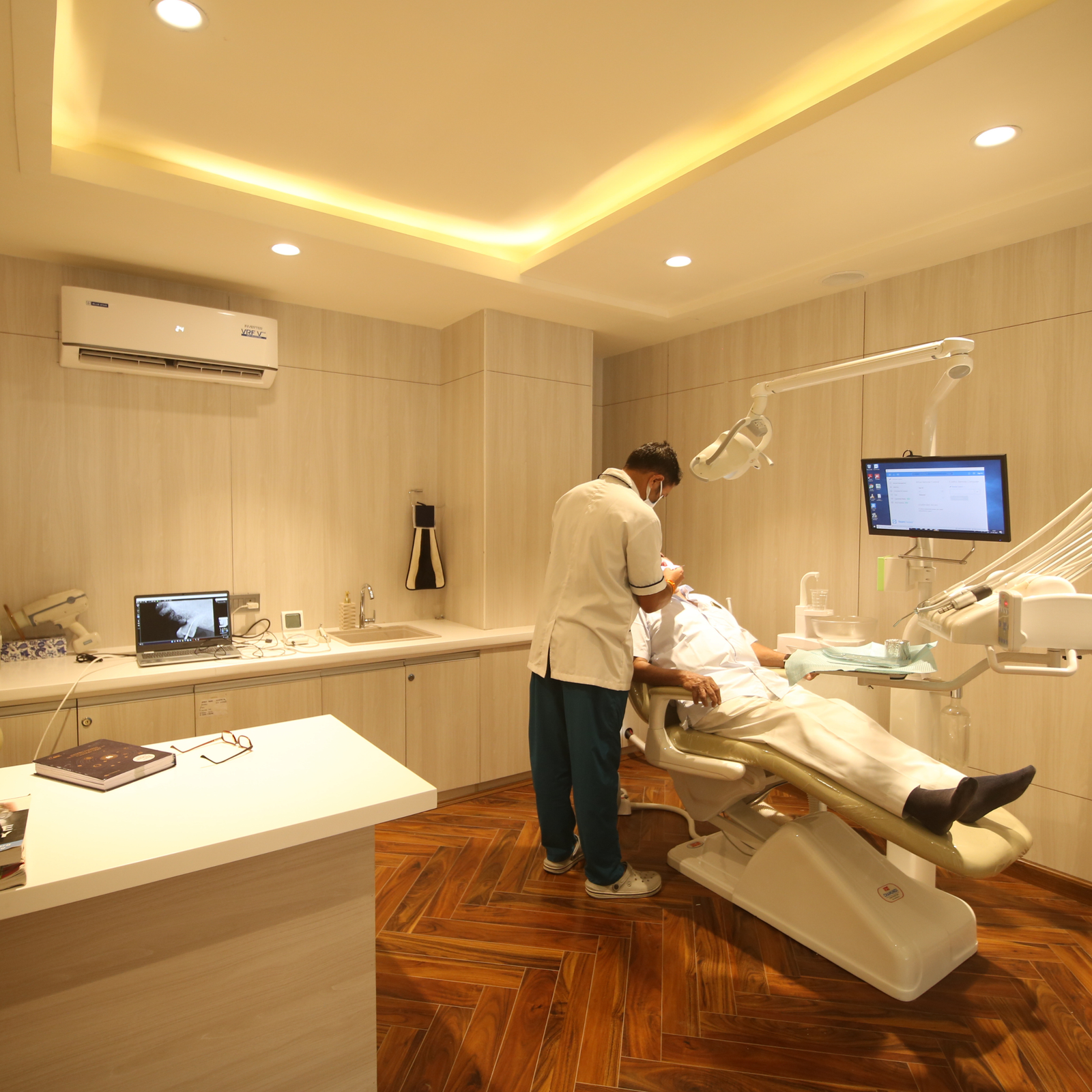 is a dental care provider patients can explore when researching preventive dental services and routine oral examinations. Patients can review its available services and discuss oral cancer screening with the dental team to understand what is included in their dental assessment.
Regular dental visits provide an opportunity to discuss concerns, identify unusual changes, and understand when additional medical evaluation may be appropriate.
Conclusion
Oral cancer screening is an important aspect of preventive healthcare because it helps identify unusual changes in the mouth that may require further investigation. Understanding common warning signs, recognizing risk factors, and attending regular dental examinations can help patients take a more proactive approach to their oral health.
Prioritizing Oral Cancer Screening in Etobicoke can help individuals stay informed and seek professional assessment when something unusual appears. SunDent Family Dental is worth exploring for patients researching preventive dental care and routine oral examinations.
Remember that early assessment matters. If you notice a persistent mouth sore, unusual patch, lump, or unexplained discomfort, consult a healthcare professional rather than waiting for your next routine appointment.