
 Written by

A pretty water colour landscape painting is more than just mountains, rivers and trees it’s the way light plays on each is what makes work up to come alive. The translucent nature of watercolors allows them to beautifully bring out the texture of ocean tides, shimmering surfaces, and vibrant dawns. Knowing how to paint the light can transform a flat landscape into a solid backdrop for a story.Now, it’s not just for beginners that once one understands the process of painting the light it can make a big difference in the depth and atmosphere in a landscape. Here, you’ll learn something that will add interest to every landscapes painting you do with watercolour – how to create luminosity, maintain highlights, and make landscapes newly painted look vibrant and realistic.
Why Light Is the Heart of Every Watercolor Landscape Painting
Light adds depth, mood and drama. When the color is not there, even a highly successful painted piece might look lifeless. When using a light source in a well-planned fashion it helps the viewer understand the time of day, weather elements and the emotion of the scene. Watercolor artists use the “white” paper for the “white” areas. Watercolor is transparent, meaning that every layer of paint lets in light, and this creates the famous “glow” effect that can make a paint appear so alluring. It’s one of the best qualities in a watercolor landscape painting, and planning is key to a successful painting, so before you dive in with the first stroke of the brush you should have a plan.
Plan Your Light Source Before Painting
When designing a successful landscape, the first step is to determine what source of light should be incorporated. The lighting should be consistent in the direction you choose throughout the composition, whether it’s a sunrise, a golden afternoon or a moonlit evening. LIGHTLY sketch the scene in light colors, then look for the very lightest areas (the brightest highlights) that should be the first to be colored. Think about what will happen to the trees, hills, water and the clouds when the sun shines on them. The closer to the light, the lighter the area and farther away from the light, the darker the color of an object. When an artist carefully plots out the painting process, there is harmony and very little confusion later.
Preserve the White of the Paper
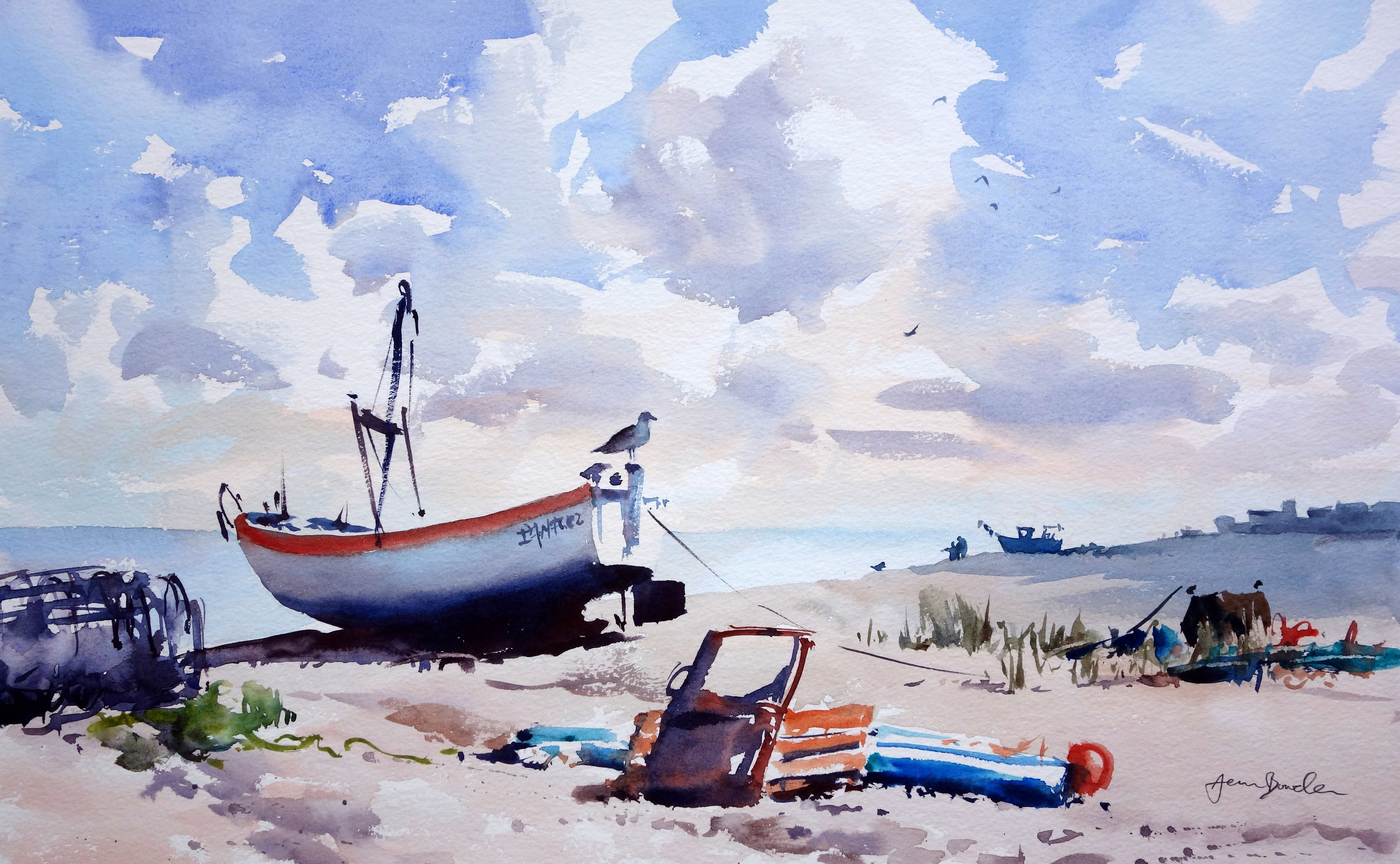
The most important “trick” to bright and frilly watercolour work is knowing when NOT to paint! Watercolor artists, do not add white paint later on the paper but keep the blank paper and use it for highlighting their work. Paint only part of the tree, so the colors will reflect on a body of water, bright clouds, rock or sparkling leaves. The important highlights can also be preserved with masking fluid throughout the initial washes. By keeping these light areas, your watercolor landscape painting will remain as bright and as lighted as it should be.
Build Luminosity with Transparent Washes
In watercolours, greater color from is achieved by gradually adding hues and not by heavy application. Transparent washes allow the light to pass through each layer so that there are no loss of freshness effects, and the image is still depthful. Start with the light, light colours and gradually shade in the values in a progression as the painting progresses. If you want to maintain colour purity, just let each wash dry before putting on the other. This method produces glowing skies, remote hills, and atmospheric effects that impart a life-orchestration to the landscape and make it look more realistic.
Create Depth with Value Contrast
The light is more visible against the dark hues. One of the finest ways to highlight brilliant luminous qualities in landscape watercolors is to focus on contrast. Use darker colors as shadows behind lit tree, buildings, mountains to make the lights stand out. Shadows will enhance any direction of light, but not in a way that makes it more dominant. Soft gradations between light and dark also provide a natural sense of distance, and add dimension, depth and realism to your watercolor landscape painting.
Capture Different Times of Day
The lighting conditions are different every hour of the day, and can drastically alter the outcome of a landscape. These little distinctions can bring a greater expression to your paintings. Cool blues with soft golden touches seen in the morning light. The contrast is more intense with midday sun and long clear shadows, and the warmth and oranges and reds of the evening. On cloudy days, less light and muted colors give a tranquil atmosphere to the landscape. Art hours in the studio carry an element of experimentation to develop versatility in painting and storytelling in all images created.
Use Reflections to Enhance Luminosity
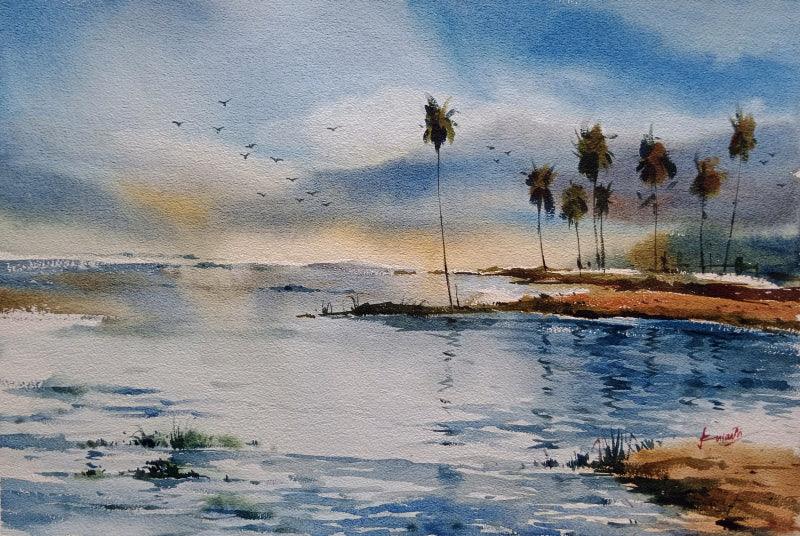
Light can be amplified very well when there are water surfaces in a composition. The reflection of the sky and the surroundings in lakes, rivers, and ponds bring bright uneven hues and balance to the photograph. Omit reflections to be slightly softer and containing less detail as the object itself. Use soft, horizontal brushstrokes to simulate the quiet flow of water – but still evokes water’s reality. Reflections are also naturally drawn to the viewer and will enhance the lightness of the composition through well painted reflections.
Choose Colors That Glow
Surface color temperature is very important in the portrayal of realistic lighting. Warm colours are closer to the viewer and cool colours give the illusion of distance and atmosphere. Mix together warm yellows, oranges and soft red colors to use in areas that get sunshine, and enhance them with cool blues, greens and violets in shady spaces. Try not to over-mix colors because clean pigments will reflect more light and retain the mind-popping transparency of watercolour. Minutely considered color selections will bring each watercolor landscape painting to life.
Practice Observing Natural Light
The first step to better watercolors is to observe carefully. Take time to learn about how the sunlight moves during the day and how weather colours and shadows. Use photos during sunrise, sunset or after rain, or sketch outdoors where possible. Observe the change in brightness of distant mountains, elongation of tree shadows on the ground, reflections of objects changing with light, etc. The color wheel is a visual graphic that aids the artist to envision the arrangement of colors.The color wheel is a visual representation that helps the artist think about how colors can be arranged.
Conclusion
Mastering light is one of the most rewarding aspects of watercolor painting. Highlights can be preserved, washes used as transparency, color temperature considerations and careful use of contrast can result in beautiful landscapes that are natural. When light is used as a primary element in a water-color landscape painting, it creates a greater effects of interest. From serene lake settings to rolling hills or stunning mountain scenes, capture the essence of magic with light and let those creating the images be amazed. With time and patience, your watercolor landscape images will not just be aesthetically appealing or stunning views but they will also reflect the emotion and landscape of being in nature.