
 Written by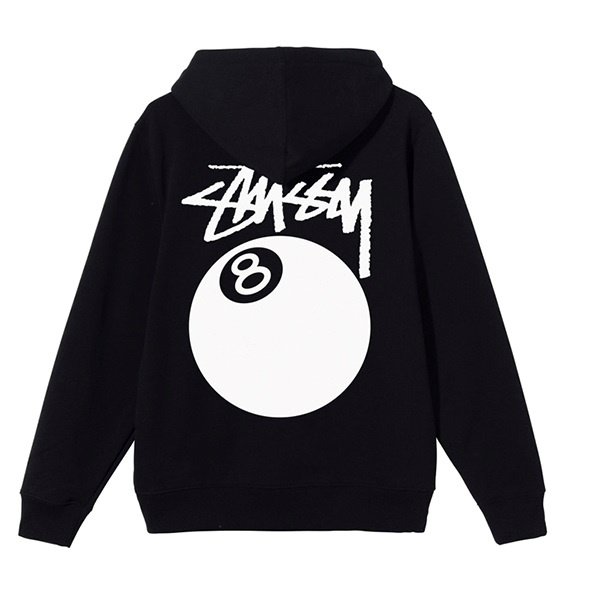
Some clothing brands chase hype; others quietly become the standard everyone else copies. Stussy falls firmly into the second category. What started as a small surf label in Southern California has turned into one of the most influential names in streetwear, and its hoodies remain a go-to piece for anyone who wants comfort, credibility, and culture in one garment. If you’ve ever wondered what makes a Stussy hoodie worth the hype — or how to pick the right one for your wardrobe — this guide walks through everything from its roots to styling advice, so you can shop with confidence.
A Brief History of the Stussy Brand
Stussy’s story starts with a surfboard, not a runway. Shawn Stussy began signing his handmade boards with a distinctive scrawled signature back in the late 1970s. Surfers noticed it, asked about it, and soon that same signature was being screen-printed onto shirts sold at local swap meets and surf shops.
By the mid-1980s, Stussy had expanded beyond surf culture into skate parks, hip-hop scenes, and eventually international fashion circles. The brand’s early global reach came from something most companies couldn’t manufacture: real cultural credibility. Instead of ad campaigns, Stussy relied on word of mouth and organic adoption by musicians, artists, and skaters — a strategy that still shapes how the brand markets itself today.
Why the Stussy Hoodie Has Stayed Relevant for Decades
Trends come and go, but the Stussy hoodie keeps showing up in wardrobes year after year. A few reasons why:
- Consistent quality control: The brand has stuck to heavyweight fleece construction that holds up to repeated wear and washing.
- Recognizable but understated branding: The signature logo or 8-ball graphic is iconic without being loud.
- Cultural continuity: Stussy has managed to stay connected to skate, surf, and music culture instead of becoming a purely mainstream fashion label.
- Smart scarcity: Limited runs and rotating designs keep demand steady instead of oversaturating the market.
This mix of longevity and exclusivity is rare in streetwear, where most labels either fade out or get diluted by overproduction.
Understanding Fit, Fabric, and Fabric Weight
Before buying, it helps to understand what you’re actually paying for. Stussy hoodies are typically made from a mid-to-heavyweight cotton fleece blend, giving them structure without feeling stiff. The interior brushed lining adds warmth, which is part of why these hoodies work well as transitional-season layering pieces.
Fit-wise, Stussy leans into a relaxed, slightly boxy cut rather than an athletic slim fit. This oversized silhouette is intentional — it’s designed to be layered over t-shirts or under jackets, and it drapes naturally rather than clinging to the body. If you prefer a closer fit, sizing down one size from your usual is generally the move; if you want the classic streetwear drape, true-to-size is the way to go.
How to Pick the Right Hoodie for Your Wardrobe
Choosing a hoodie really comes down to matching it to how you already dress:
For minimalists: A solid black, grey, or off-white hoodie with subtle branding blends into almost any outfit and works as a daily layering piece.
For statement-makers: Graphic-forward designs, like ones featuring the brand’s well-known 8-ball print, give you a focal point without needing extra accessories.
For collectors: Limited or seasonal releases hold their value better and often become the most talked-about pieces in a rotation.
There’s no wrong answer here — it depends on whether you want your hoodie to blend in or stand out.
Styling a Hoodie Without Looking Like You Tried Too Hard
The best streetwear outfits look unplanned, even when they’re not. Here’s how to keep that balance:
- Contrast proportions. Pair an oversized hoodie with slimmer bottoms — joggers, straight jeans, or cargo pants that aren’t equally baggy.
- Add one structured piece. A denim jacket, coach’s jacket, or overshirt layered on top elevates the outfit instantly.
- Keep footwear intentional. Chunky sneakers or classic low-tops both work, but avoid mixing too many bold shoe designs with a graphic hoodie.
- Don’t overaccessorize. Let the hoodie’s branding do the talking; a cap or simple chain is usually enough.
Streetwear at its best looks effortless — the goal is comfort first, styling second.
Spotting Authentic Stussy vs. Counterfeit Pieces
Because Stussy is so widely recognized, it’s also widely faked. Before buying — especially through resale platforms — check for:
- Even, reinforced stitching, particularly around the hood, cuffs, and hem.
- Correct label typography and placement, since counterfeits often get spacing or font weight slightly wrong.
- Fabric feel: authentic pieces use a denser, softer fleece; fakes often feel thin or scratchy.
- Unrealistic pricing: heavily discounted “new with tags” listings are a common red flag.
When in doubt, buying from established retailers with return policies is the safest way to avoid getting a counterfeit.
Caring for Your Hoodie for Long-Term Wear
A quality hoodie should last years with the right care routine:
- Wash cold and inside-out to protect prints and reduce fading.
- Skip the dryer when possible — air drying preserves fleece texture longer.
- Avoid fabric softener, which can break down the brushed lining over time.
- Store folded to keep the shoulders and hood from stretching out of shape.
Small maintenance habits go a long way toward keeping both the fit and the graphics intact.
Final Thoughts
A Stussy hoodie isn’t just another piece of streetwear — it’s a small piece of skate, surf, and music history you can actually wear. Whether you gravitate toward the brand’s minimal essentials or its more graphic-heavy drops, knowing the history, fit, and authenticity markers helps you buy smarter and style better. In a category full of fast-fashion knockoffs, that kind of staying power is exactly why the hoodie remains a streetwear essential.