
 Written by
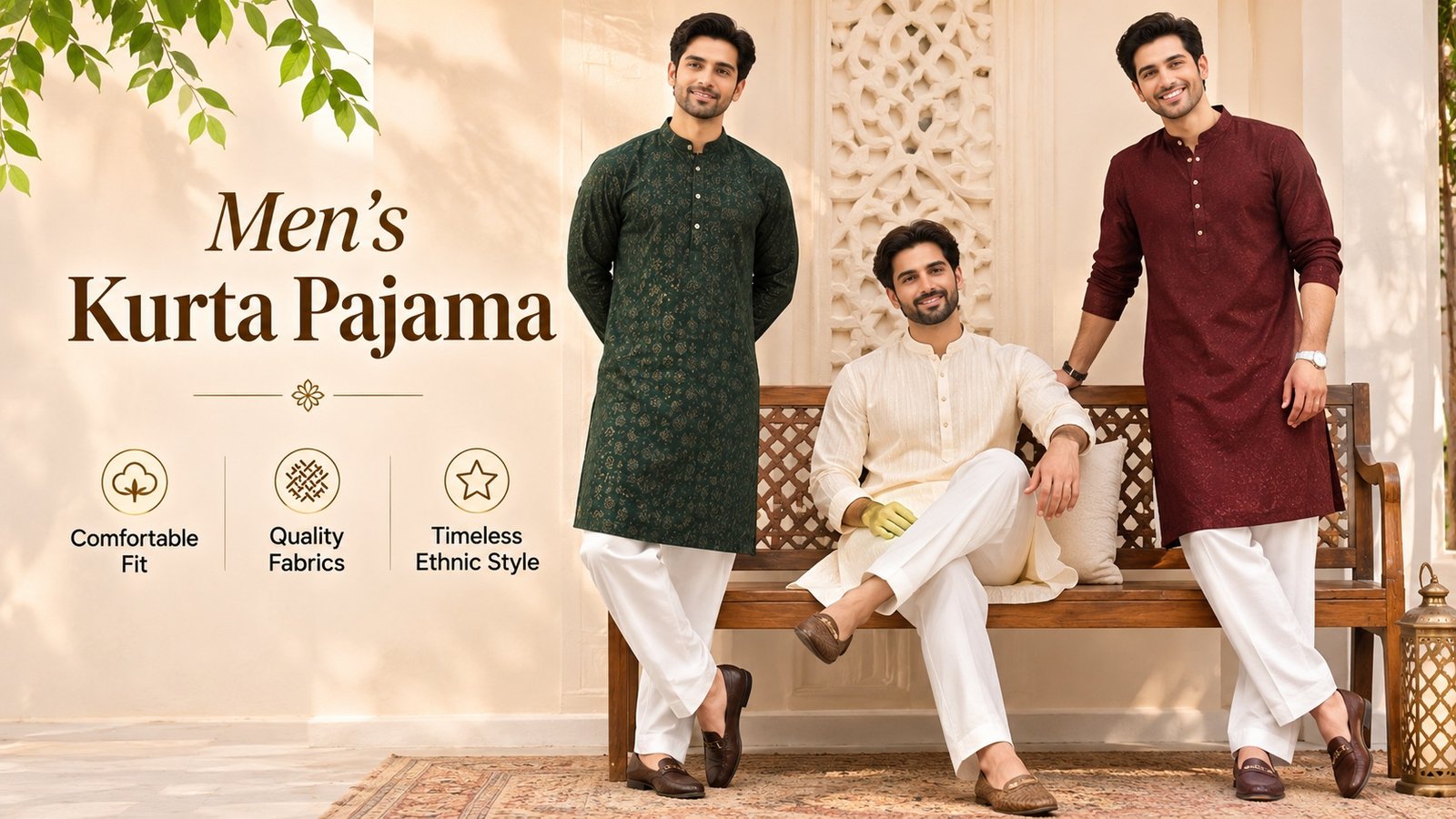
Men’s ethnic wear offers several styles that combine traditional design with modern comfort. Among the popular choices, straight kurtas and Pathani kurtas have distinct appearances, fits, and styling features. Although both can be worn with traditional bottoms, they create different overall looks and suit different preferences.
Understanding straight kurta vs Pathani kurta can help you choose the right style for your wardrobe. A straight kurta is known for its clean silhouette and simple construction, while a Pathani kurta features a more structured appearance, often with a collar, buttoned front, and prominent pockets. The right option depends on the occasion, preferred fit, fabric, and the kind of ethnic look you want to create.
- What Is a Straight Kurta?
A straight kurta is a traditional men’s garment designed with a relatively straight silhouette from the shoulders towards the hem. It generally has a simple shape without excessive flare, making it suitable for men who prefer clean and understated clothing.
A straight cut kurta usually features a front button placket, a band collar or simple neckline, and side slits for comfortable movement. Depending on the design, it may have full sleeves, three-quarter sleeves, or short sleeves.
Its minimal construction makes it easy to style with different bottoms and footwear. Straight kurtas are available in cotton, linen, silk blends, and other fabrics, allowing men to choose options for everyday wear, festive occasions, and family gatherings.
Key Features of Straight Kurtas
- Straight silhouette with a clean overall shape.
- Simple neckline or band collar.
- Minimal decorative details in many designs.
- Side slits for ease of movement.
- Available in plain, printed, and embroidered styles.
- Suitable for pairing with pajamas, churidars, and trousers.
Straight kurtas are particularly useful for men who prefer versatile ethnic clothing that can be styled in different ways.
- What Is a Pathani Kurta?
A Pathani kurta is a traditional outfit style recognised for its structured appearance and distinctive design details. It commonly features a collar, a front button opening, and large patch pockets on the chest or lower front.
Compared with many straight kurtas, a Pathani kurta often has a more relaxed and substantial silhouette. Its design takes inspiration from traditional Pathani clothing and is commonly paired with a matching or contrasting salwar.
A Pathani kurta design may include full sleeves, a longer length, a broad collar, and visible buttons. Some modern versions feature subtle embroidery, textured fabrics, or updated cuts while retaining the traditional character of the outfit.
Key Features of Pathani Kurtas
- Distinctive collar and button-front design.
- Large chest or front patch pockets in many styles.
- Relaxed and structured silhouette.
- Usually designed with full sleeves.
- Often paired with Pathani salwar or relaxed trousers.
- Available in solid colours, textured fabrics, and subtle patterns.
Pathani kurtas are a good choice for men who want a traditional outfit with a distinctive and confident appearance.
- Straight Kurta vs Pathani Kurta: Main Differences
Although both garments belong to men’s ethnic wear, their construction and styling details create noticeably different looks.
Feature | Straight Kurta | Pathani Kurta |
Silhouette | Clean and straight | Relaxed and structured |
Collar | Often band collar or simple neckline | Usually a more prominent collar |
Pockets | May have minimal or no visible pockets | Often features large patch pockets |
Design | Simple and versatile | Distinctive traditional details |
Styling | Pajama, churidar, or trousers | Pathani salwar or relaxed trousers |
Overall look | Minimal and refined | Traditional and bold |
The main difference is not simply the shape of the garment. Collar design, pocket placement, fabric, and overall construction also influence how each style looks when worn.
- Differences in Fit and Comfort
Fit is an important consideration when selecting men’s ethnic styles. Both straight and Pathani kurtas can offer comfortable movement, but their silhouettes create different wearing experiences.
A straight kurta generally follows a neat vertical shape. It should provide enough room around the chest, waist, and shoulders without looking excessively tight. Men who prefer a simple and balanced appearance may find this style suitable for regular use.
A Pathani kurta usually offers a more relaxed appearance, particularly around the body and sleeves. This makes it a useful option for men who prefer traditional clothing with a slightly roomier silhouette.
When choosing either style, check the following:
- Shoulder fit: The shoulder seams should sit naturally without pulling.
- Chest comfort: There should be enough room for easy movement.
- Sleeve length: Sleeves should not restrict arm movement.
- Garment length: Choose a length that looks balanced with the selected bottom.
- Side openings: Check that the slits allow comfortable walking and sitting.
The best fit depends on personal preference, body proportions, and the intended occasion.
- Which Fabric Is Suitable for Each Kurta Style?
Fabric affects the appearance, comfort, and suitability of both straight and Pathani kurtas. The material should be selected according to the weather and occasion rather than the design alone.
Cotton
Cotton is a practical option for everyday straight kurtas and casual Pathani styles. It has a comfortable feel and is available in different weights and finishes.
Linen
Linen and linen-blend fabrics offer a lightweight, textured appearance. They can be suitable for warm-weather outfits, particularly when you prefer relaxed ethnic styling.
Silk and Silk Blends
Silk and silk-blend fabrics can create a richer appearance for festive occasions and family celebrations. These materials are often used in more decorative straight kurtas and special Pathani designs.
Blended Fabrics
Blended materials offer different combinations of texture, flexibility, and maintenance requirements. Always check the fabric composition and care instructions before purchasing.
Choose a fabric that feels comfortable and matches the level of formality you need.
- How to Style a Straight Kurta
Straight kurtas are easy to style because their simple design works with several traditional and contemporary clothing pieces.
For a classic ethnic appearance, pair a white or cream straight kurta with a matching pajama or churidar. For a more modern casual look, try a solid straight kurta with well-fitted trousers and simple footwear.
For festive occasions, you can select a silk-blend kurta with subtle embroidery and pair it with a coordinated bottom.
Useful styling combinations include:
- White straight kurta with cream pajama.
- Navy straight kurta with white trousers.
- Beige straight kurta with brown footwear.
- Black straight kurta with matching bottoms.
Keep accessories minimal when the kurta already includes decorative details.
- How to Style a Pathani Kurta
Pathani kurtas have a distinctive appearance, so the bottom and footwear should complement their traditional structure.
The classic combination is a Pathani kurta with a matching or contrasting Pathani salwar. This creates a coordinated outfit suitable for cultural gatherings and family occasions.
For a simpler appearance, choose a solid Pathani kurta with neutral trousers. Traditional sandals or leather footwear can complete the outfit without making it look overly complicated.
Some useful combinations include:
- Black Pathani kurta with matching salwar.
- White Pathani kurta with beige bottoms.
- Olive Pathani kurta with cream salwar.
- Navy Pathani kurta with white trousers.
Avoid combining too many competing colours or decorative elements. Let the garment’s collar, pockets, and overall shape remain the main features.
- Which Kurta Should You Choose for Different Occasions?
The choice between straight and Pathani kurtas depends on the setting and the appearance you want.
Everyday wear: A cotton straight kurta is a practical option because its simple design is easy to wear and style.
Family gatherings: Both styles can work well. Choose a straight kurta for a clean appearance or a Pathani kurta for a more traditional look.
Festive occasions: Silk-blend straight kurtas and well-finished Pathani designs can both create suitable festive outfits.
Cultural events: A Pathani kurta with a matching salwar offers a distinctive traditional appearance.
Casual outings: A lightweight straight kurta with trousers can provide a relaxed ethnic look.
Consider the event, weather, and expected level of formality before selecting your outfit.
- What to Check Before Buying Online
Before purchasing a straight or Pathani kurta online, review the product details carefully. Photographs may show the design, but they do not always provide enough information about fit and construction.
Check the size chart, fabric composition, garment length, sleeve measurements, and washing instructions. For a straight kurta, pay attention to the overall cut and side slits. For a Pathani kurta, examine the collar, button placement, and pocket construction.
Customer reviews can also help you understand whether the fabric feels comfortable and whether the actual fit matches the product description.
Choose a design that complements your existing wardrobe instead of purchasing only because it is currently popular.
Conclusion
Straight and Pathani kurtas offer two different approaches to traditional men’s clothing. A straight cut kurta provides a clean, versatile appearance that works across everyday and festive settings. A Pathani kurta offers a more structured traditional look with distinctive details such as collars and patch pockets. By comparing their fit, fabric, design, and styling options, you can choose the kurta that best matches your personal preference and wardrobe needs.