
 Written by
 A gift box with a clear window does something a sealed, opaque box can’t. It lets a customer form a judgment about the product before they’ve committed to buying it, before a single word of copy gets read. That’s a genuinely different kind of trust decision than most packaging choices make, and most brands pick a transparent window for the wrong reason: it looks nice, not because they understand what it’s actually communicating.
Visibility Reads as Confidence
There’s a psychological shortcut happening here that’s worth understanding before defaulting to it. People tend to associate the ability to see through something with a brand having nothing to hide, which is exactly why clear packaging tends to boost perceptions of honesty even when nothing about the product itself has changed. A brand doesn’t have to say “trust us” anywhere on the box. The window is already making that argument on its behalf.
This matters more for a newer or lesser-known brand than an established one. An unfamiliar product judged through a transparent window tends to be rated as higher quality and more trustworthy than the same product sealed in an opaque box, precisely because the customer has less other information to go on and the visible product fills that gap.
More V isibility Isn’t Automatically Better
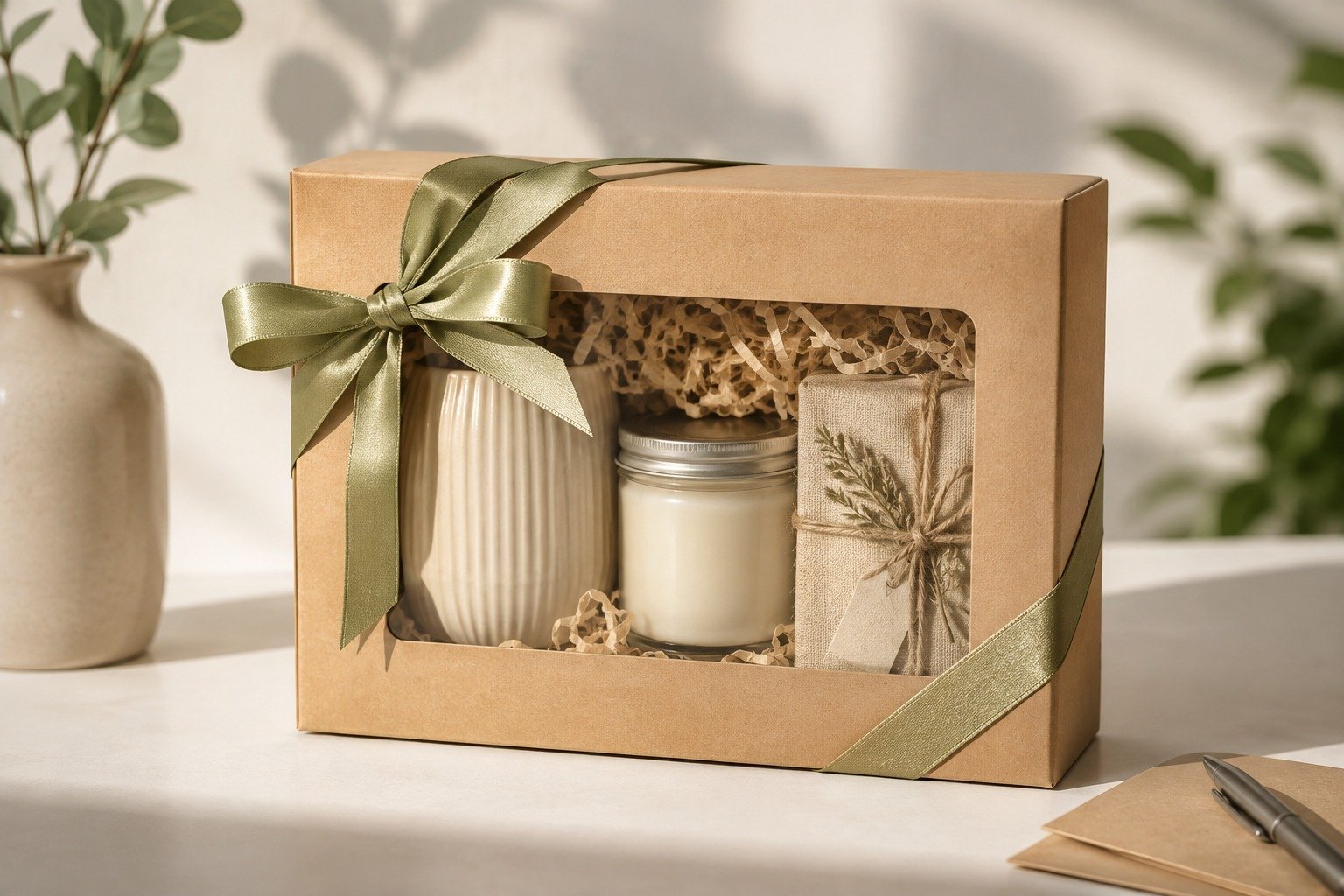
The instinct once a brand commits to a window is to make it as large as possible, and that instinct runs into diminishing returns faster than most people expect. Research on window sizing has found that purchase intention rises meaningfully once a product is visible enough to evaluate, typically somewhere in the 25 to 50 percent exposure range, but additional visibility beyond that point adds very little further benefit.
That’s a useful data point for a brand trying to balance a clean, branded exterior against a functional window. A smaller, well-placed window that shows exactly the right part of the product can do the same trust-building work as a larger one, while leaving more surface area for the actual brand story and positioning to live.
Where This Fits Into a Bigger Positioning Decision
A transparent gift box works best when it’s a deliberate extension of a brand’s honesty positioning, not just a decorative choice borrowed because a competitor is using one. A brand built around trust, craftsmanship, or product confidence has a genuine reason to let the product speak for itself through a window. A brand relying heavily on styling or story to carry the sale may find that visibility actually competes with, rather than supports, the impression it’s trying to create.
For brands weighing whether a window fits their specific positioning, reviewing how gift boxes typically get structured is a useful starting point before deciding where visibility helps and where it doesn’t.
The Real Decision Underneath the Design Choice
The question isn’t whether a transparent window looks good. It’s whether a brand’s product and story are strong enough to hold up under that level of visibility. For brands confident the product itself is the best argument they have, working through transparent gift boxes as an early design option is worth doing, since the sizing and placement decisions shape how much of that argument actually gets made before the box is even opened.
Why This Is Worth Getting Right
A gift box gets one first impression, and a transparent window spends that impression differently than a fully branded, opaque box does. Getting the balance right, enough visibility to build the trust it’s meant to build, without giving up the room needed to tell the rest of the brand’s story, is a small design decision that carries more strategic weight than it initially appears to.