
 Written by
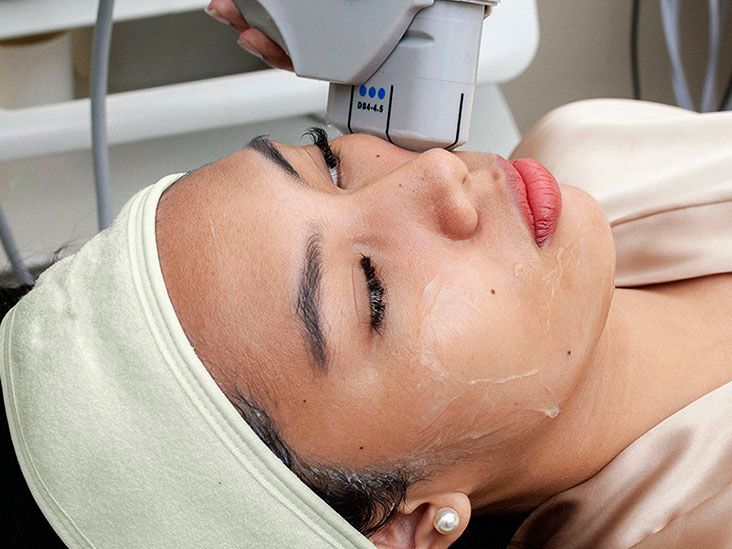
High-Intensity Focused Ultrasound (HIFU) is a non-invasive cosmetic procedure that uses focused ultrasound energy to support collagen production and improve skin firmness. People considering HIFU Treatment Dubai often want to understand the recovery process and the care needed after their session. Dynamic Clinic in Dubai is one example of a provider offering information about this treatment. Although HIFU generally involves minimal downtime, following suitable aftercare instructions can help protect the skin and support the treatment process.
Why Is Aftercare Important After HIFU?
HIFU delivers focused energy into deeper skin layers, creating controlled thermal effects that stimulate the body’s natural collagen response. The skin may feel sensitive or slightly swollen after treatment, even when there are no visible signs of irritation.
Appropriate aftercare helps manage temporary discomfort and protects the skin barrier. It also reduces the likelihood of unnecessary irritation while the natural tissue response develops. Since collagen production takes time, patients should follow professional recommendations rather than expect immediate changes.
What Should You Do Immediately After Treatment?
The first 24 to 48 hours are important for keeping the treated area comfortable. Most people can return to their usual routine, but gentle skin care is recommended.
Consider these measures:
Cleanse gently: Use a mild cleanser and lukewarm water to avoid unnecessary friction.
Apply moisturiser: Choose a fragrance-free moisturiser to maintain skin hydration.
Avoid excessive heat: Stay away from saunas, steam rooms, and very hot showers if the skin feels sensitive.
Protect the treated area: Avoid rubbing, pressing, or massaging the skin unnecessarily.
Follow individual instructions: Treatment depth and skin sensitivity can influence aftercare recommendations.
How Should You Protect Your Skin From Sun Exposure?
Sun protection is an important part of post-HIFU care, particularly in Dubai, where strong sunlight and high temperatures are common throughout much of the year.
Although HIFU does not usually cause the same surface damage associated with some resurfacing procedures, recently treated skin should still be protected from excessive ultraviolet exposure.
Useful precautions include:
Apply broad-spectrum SPF 30 or higher every morning.
Reapply sunscreen every two hours when outdoors.
Wear sunglasses, hats, and protective clothing.
Avoid prolonged direct sunlight during the initial recovery period.
Use shade when spending time outside.
Consistent sun protection helps maintain overall skin health and reduces the risk of sun-related pigmentation and premature ageing.
Which Skincare Products Should You Avoid?
Some skincare ingredients may increase irritation, especially when the skin feels tender after treatment. A simple skincare routine is often preferable during the initial recovery period.
Depending on skin sensitivity, temporarily avoid:
Retinol and prescription retinoids.
Strong exfoliating acids, including glycolic and salicylic acid.
Physical scrubs and abrasive cleansing brushes.
Alcohol-based toners that cause dryness.
Strong chemical peels and other exfoliating treatments.
These products can usually be reintroduced gradually once the skin has settled. Anyone using prescription skincare should ask their treating professional before changing their routine.
Can You Exercise After HIFU Treatment?
Most people can continue light daily activities after HIFU. However, intense physical activity may be uncomfortable if the treated area is swollen or sensitive.
Consider the following activity guidelines:
Walking: Gentle walking is generally acceptable immediately after treatment.
Strenuous exercise: Consider avoiding intense workouts for 24 to 48 hours if advised by the treating professional.
Swimming: Avoid swimming if the skin is irritated or if professional instructions recommend a temporary break.
Heat-based activities: Postpone hot yoga, steam rooms, and saunas while sensitivity persists.
The appropriate timeline depends on the treatment area and individual recovery response.
What Are the Normal Skin Reactions After HIFU?
Temporary reactions can occur as the skin responds to focused ultrasound energy. Their intensity varies according to treatment settings, skin sensitivity, and the area treated.
Common short-term effects include:
Mild redness.
Slight swelling.
Tenderness or sensitivity.
Tingling sensations.
Temporary firmness or tightness.
Mild bruising in some cases.
These effects generally improve over several hours or days, although tenderness or altered sensation may last longer. Severe pain, increasing swelling, blistering, skin colour changes, or persistent numbness should be assessed by a qualified medical professional.
How Long Should You Continue Post-Treatment Care?
Aftercare does not end when the initial sensitivity disappears. Maintaining healthy skincare habits can support the skin while collagen remodelling continues over the following weeks and months.
A practical routine includes:
Continue daily sunscreen use.
Maintain regular skin hydration.
Follow a balanced diet with adequate protein and nutrients.
Drink enough water throughout the day.
Avoid unnecessary irritation or aggressive skin treatments.
Attend recommended follow-up appointments.
Patients should also inform their skincare professional about other cosmetic procedures they are considering so treatments can be scheduled appropriately.
When Should You Contact a Medical Professional?
Although HIFU is generally associated with limited downtime, unusual or persistent symptoms should not be ignored. Contact a qualified professional if redness or swelling becomes worse instead of improving, or if you experience significant pain, burns, blistering, weakness, or prolonged sensory changes.
An assessment can help determine whether these symptoms are related to the procedure or require additional care. Individual guidance is particularly important for people with sensitive skin or existing skin conditions.
Conclusion
Proper aftercare following HIFU treatment involves gentle cleansing, regular moisturising, sun protection, and avoiding unnecessary skin irritation. Limiting excessive heat and strenuous exercise during the initial recovery period may also improve comfort. Since every individual responds differently to ultrasound energy, following personalised professional instructions is essential. Consistent skincare habits and realistic expectations help support skin health while collagen remodelling takes place.