
 Written by
 After moles removal, proper aftercare helps protect the treated area while the skin repairs itself. For people considering Moles Removal Dubai, understanding basic wound care and skin protection can make the recovery process easier to manage. Dynamic Clinic in Dubai provides mole removal services where aftercare instructions can vary according to the removal technique and individual skin needs.
The First 24 Hours After Moles Removal
The treated area may need gentle care immediately after the procedure. The skin can be sensitive, and the removal site may be covered with a dressing depending on the technique used. Keeping the area protected helps reduce unnecessary contact with the healing skin.
During the first day:
- Follow the specific wound-care instructions provided after treatment
- Keep the dressing in place for the recommended period
- Avoid touching the treated area unnecessarily
- Wash your hands before handling the area
- Do not scratch, rub, or pick at the site
- Keep clothing from repeatedly rubbing against the treated skin
The exact instructions can differ between shave removal, surgical excision, or other mole removal approaches.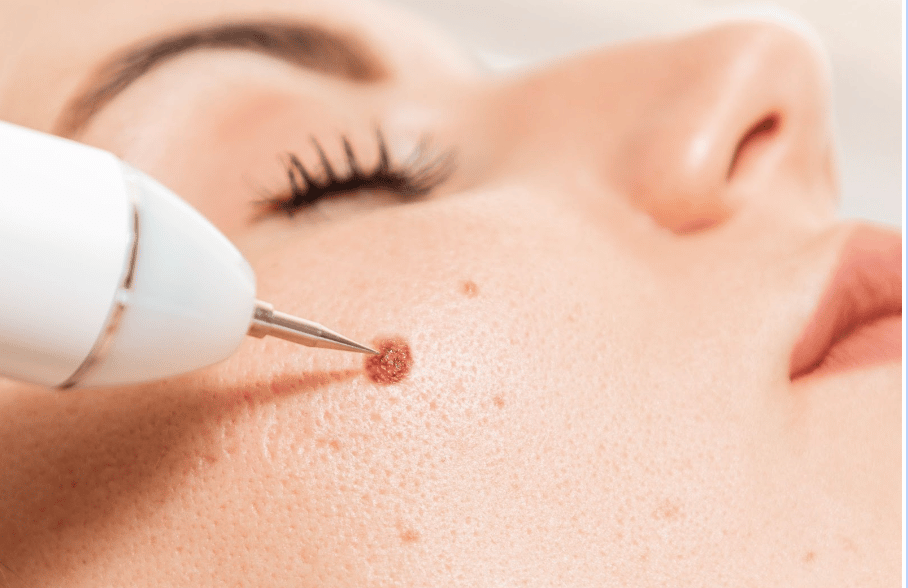
Keeping the Treatment Area Clean
Gentle cleansing is an important part of mole removal aftercare. If cleaning is recommended, use the method advised by the healthcare professional rather than applying harsh products to the area.
Avoid scrubbing the treated skin because friction can irritate healing tissue. Strong exfoliants, alcohol-based products, fragranced skincare, and other potentially irritating substances should also be avoided unless specifically recommended.
For facial treatment areas, skincare routines may need temporary adjustment so that active ingredients do not come into direct contact with the healing site.
Protecting the Healing Skin
Sun protection becomes particularly important while the skin is recovering. Newly healed or healing skin can be more vulnerable to changes in pigmentation when exposed to ultraviolet radiation.
Once the area is suitable for sunscreen according to the aftercare instructions, broad-spectrum sun protection can be incorporated into the surrounding skincare routine. Physical protection, such as covering the area when practical, may also help limit direct sun exposure.
For people living in Dubai, strong sunlight and frequent outdoor exposure make consistent UV protection especially relevant during skin recovery.
Should You Touch or Pick the Area?
Picking at a scab, crust, or healing tissue can interfere with normal wound repair. It may also irritate the surrounding skin and affect the appearance of the treated area.
Allow the site to heal naturally and avoid removing crusts manually. If a dressing becomes loose, wet, or contaminated, follow the instructions provided for replacing or managing it rather than repeatedly touching the treatment site.
Skincare During Recovery
A temporary change in skincare may be appropriate after mole removal. Products containing exfoliating acids, retinoids, scrubs, or other active ingredients may irritate the treated area while it is healing.
A simple approach may involve:
- Using only products approved for the healing area
- Avoiding direct application of irritating active ingredients
- Keeping makeup away from an open or recently treated site unless cleared
- Resuming normal skincare gradually according to professional guidance
The timing for returning to a regular skincare routine depends on the procedure and the condition of the skin.
Activity and Clothing Considerations
Activities that create friction, pressure, sweating, or accidental contact with the treatment area may need to be limited temporarily. This is particularly relevant when a mole has been removed from an area affected by clothing, shaving, exercise equipment, or frequent movement.
Loose, comfortable clothing can help reduce unnecessary rubbing where appropriate. Specific activity restrictions should be based on the location and type of mole removal.
Signs That Need Professional Attention
Most aftercare involves protecting the treatment area and following the instructions given after the procedure. However, changes that appear unusual or become progressively worse should be assessed by a qualified healthcare professional.
Seek medical advice if you notice:
- Increasing redness or swelling around the site
- Significant or worsening pain
- Persistent bleeding
- Unusual discharge
- Increasing warmth around the treated area
- Fever or feeling generally unwell
- A wound that appears to be opening
These signs should not be self-diagnosed, particularly when the removal involved an incision or stitches.
Follow-Up After Mole Removal
Follow-up care can be an important part of the process, particularly when stitches were used or when the removed mole was sent for laboratory examination. The healthcare professional may check how the area is healing and provide further wound-care guidance.
If a pathology assessment was performed, patients should follow the recommended process for receiving and discussing the result. This is especially relevant because a mole can sometimes require evaluation beyond its visible appearance.
How Can You Reduce Irritation During Healing?
A few simple precautions can help limit unnecessary irritation:
- Keep hands away from the treatment site
- Follow dressing instructions carefully
- Avoid aggressive cleansing or exfoliation
- Protect the area from excessive sun exposure
- Avoid activities that repeatedly disturb the wound
- Follow prescribed or recommended wound-care instructions
- Attend any advised follow-up appointment
Aftercare should always be adapted to the removal method, treatment location, wound condition, and individual instructions.
Conclusion
Moles removal aftercare mainly involves keeping the treated area protected, maintaining appropriate cleanliness, avoiding unnecessary irritation, and following professional wound-care guidance. Sun protection and careful skincare are also important considerations during recovery, while unusual changes such as persistent bleeding, increasing pain, or discharge should receive professional attention.