
 Written by
Proper aftercare plays an important role in supporting scalp health and recovery after platelet-rich plasma (PRP) therapy. People researching the Best PRP Hair Treatment in Dubai, including those exploring treatment information from Dynamic Clinic in Dubai, should understand how simple aftercare habits can help manage temporary scalp sensitivity and support the treatment process.
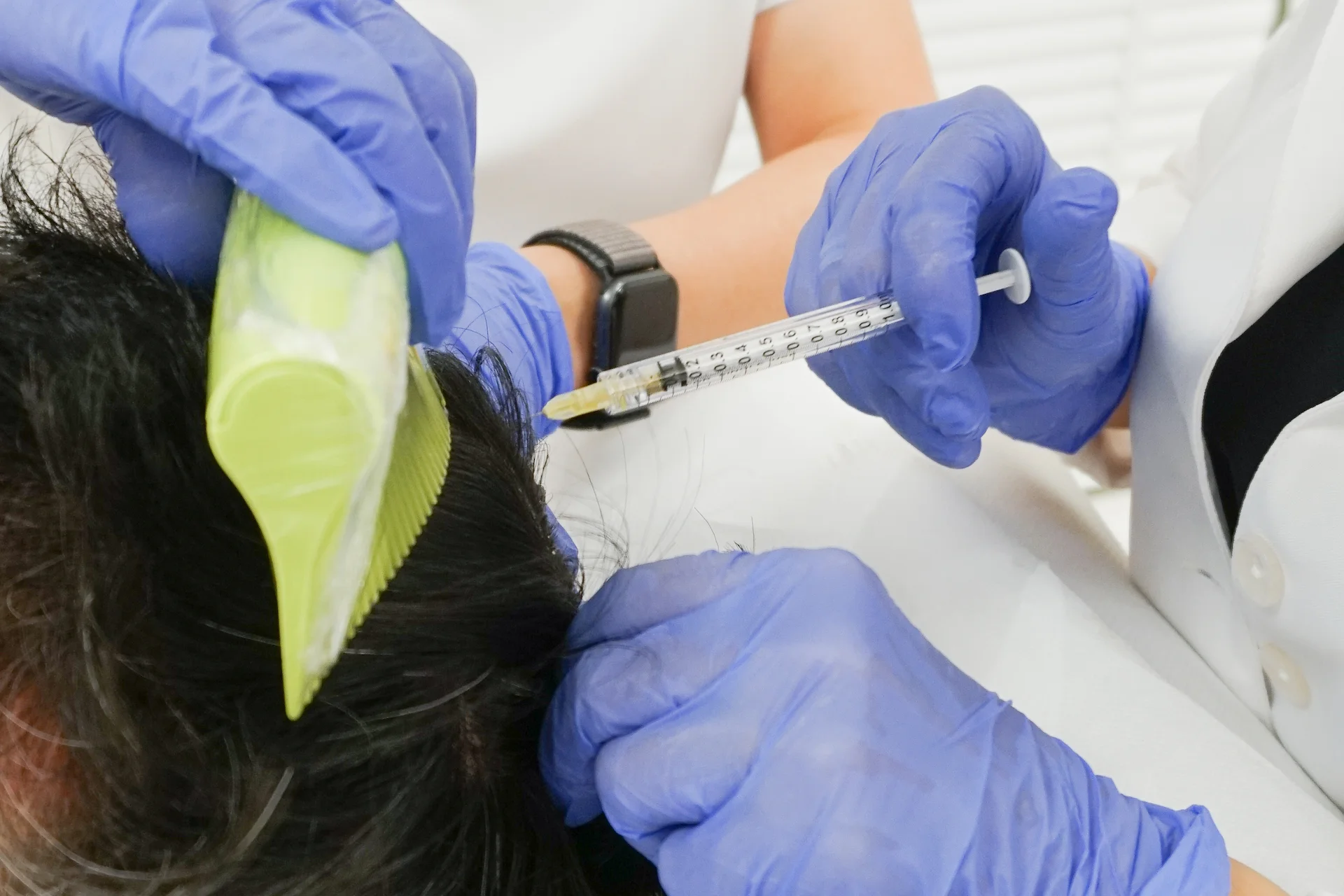
PRP hair treatment uses platelet-rich plasma prepared from a patient’s own blood. The concentrated plasma contains growth factors that are introduced into selected areas of the scalp through small injections. Although the procedure usually involves minimal downtime, the scalp may need some time to settle after treatment. Following appropriate aftercare instructions helps reduce avoidable irritation and supports a comfortable recovery.
Keep the Scalp Clean Without Overwashing
Scalp hygiene is an important part of post-treatment care. However, washing too soon or using harsh products may irritate recently treated areas.
Patients should follow the treating professional’s instructions about when to resume shampooing. Once washing is permitted, consider these practices:
Use a mild, gentle shampoo.
Wash with lukewarm rather than hot water.
Avoid vigorous rubbing or scratching.
Pat the scalp dry with a clean, soft towel.
Avoid strong chemical treatments immediately after the procedure.
Keeping the scalp clean without excessive friction helps maintain skin comfort during the initial recovery period.
Avoid Excessive Heat and Sweating
Heat and heavy sweating may increase scalp discomfort shortly after PRP injections. Strenuous exercise, steam rooms, saunas, and hot showers may therefore need to be avoided temporarily.
Patients should consider limiting activities that cause excessive sweating until the scalp has recovered sufficiently. Light daily movement may be acceptable, depending on individual instructions.
Dubai’s warm climate also makes sun protection particularly relevant. Spending long periods outdoors in direct sunlight can increase discomfort in sensitive areas. Wearing loose, comfortable headwear when appropriate and seeking shade can help limit unnecessary exposure.
Follow Instructions About Hair Products
Not every hair product is suitable immediately after PRP treatment. Some formulations contain fragrances, alcohol, or active ingredients that may cause irritation.
Patients may be advised to temporarily avoid:
Hair sprays and styling gels.
Strong chemical treatments.
Hair dyes and bleaching products.
Medicated shampoos unless approved.
Scalp exfoliants and aggressive scrubs.
Minimising unnecessary products gives the treated scalp time to settle. Patients who regularly use topical hair-loss medications should ask their treating professional when to restart them rather than changing their routine independently.
Protect the Scalp From Unnecessary Irritation
Mild redness, tenderness, swelling, or small injection marks can occur following PRP therapy. These effects are generally temporary, although their duration varies between individuals.
Avoid touching or scratching the treated areas repeatedly. Excessive pressure, vigorous scalp massage, and tight hairstyles may also create unnecessary irritation.
Additional precautions include:
Avoid wearing tight caps or helmets that press against the injection sites.
Use clean pillowcases.
Avoid scratching dry or itchy areas.
Do not apply unapproved creams or home remedies.
Allow the scalp to recover without unnecessary manipulation.
Patients should contact their healthcare provider if discomfort becomes severe or symptoms worsen rather than improve.
Maintain Healthy Nutrition and Hydration
Recovery also involves maintaining general health. A balanced diet provides nutrients that support normal tissue function and hair health.
Include foods containing protein, iron, zinc, and essential vitamins as part of a varied diet. Eggs, fish, legumes, leafy vegetables, nuts, and whole grains can contribute to nutritional balance.
Adequate hydration is particularly important in Dubai’s hot weather. Drinking enough water throughout the day supports normal body functions, although hydration alone does not determine PRP treatment results.
Patients with known nutritional deficiencies should discuss appropriate testing and supplementation with a qualified healthcare professional.
Resume Exercise and Daily Activities Gradually
Most people can return to ordinary activities relatively quickly after PRP hair treatment. However, the timing of more demanding activities depends on individual recovery and the treating professional’s recommendations.
Heavy workouts, swimming, and activities involving significant sweating may need to be postponed for a short period. Swimming pools can also expose recently treated skin to chemicals and microorganisms.
Patients should avoid rushing back into demanding routines if the scalp remains tender or irritated. Gradually resuming normal activities allows them to monitor their comfort during recovery.
Recognise Symptoms That Require Medical Attention
Understanding the difference between expected reactions and unusual symptoms is an important part of responsible aftercare.
Temporary redness and mild tenderness may occur after injections. However, increasing pain, spreading redness, unusual warmth, significant swelling, pus, or fever may indicate a complication that requires medical assessment.
Patients should seek prompt medical advice if these symptoms develop. They should also avoid self-prescribing antibiotics or applying strong topical medications without professional guidance.
Attend Follow-Up Appointments
Follow-up appointments allow the treating professional to assess scalp condition, review recovery, and discuss changes in hair growth over time.
PRP treatment does not produce immediate hair growth. Changes may take several months to become noticeable, and outcomes vary depending on hair-loss patterns, underlying causes, general health, and individual response.
During follow-up visits, patients can discuss scalp sensitivity, shedding patterns, treatment response, and whether additional sessions are appropriate. Consistent monitoring also helps identify concerns that may require a different approach.
Conclusion
Aftercare following PRP hair treatment involves gentle scalp cleansing, avoiding excessive heat, limiting strenuous activities temporarily, and following professional instructions about hair products. Good nutrition, adequate hydration, sun protection, and regular follow-up appointments also contribute to responsible recovery management. Understanding these practices helps patients protect scalp comfort while allowing sufficient time to assess their individual response to PRP therapy.