
 Written by
Smooth skin without the daily routine of shaving, waxing, or plucking sounds almost too good to be true, and for many people it comes surprisingly close. Laser treatment works by targeting the pigment in hair follicles, and over a series of sessions it reduces hair growth significantly. Anyone researching Laser Hair Removal in Islamabad will find plenty of information about results, but far less about what the skin actually goes through during and after treatment. Knowing the common side effects, how long they last, and when to seek help allows you to approach the process with confidence rather than surprise.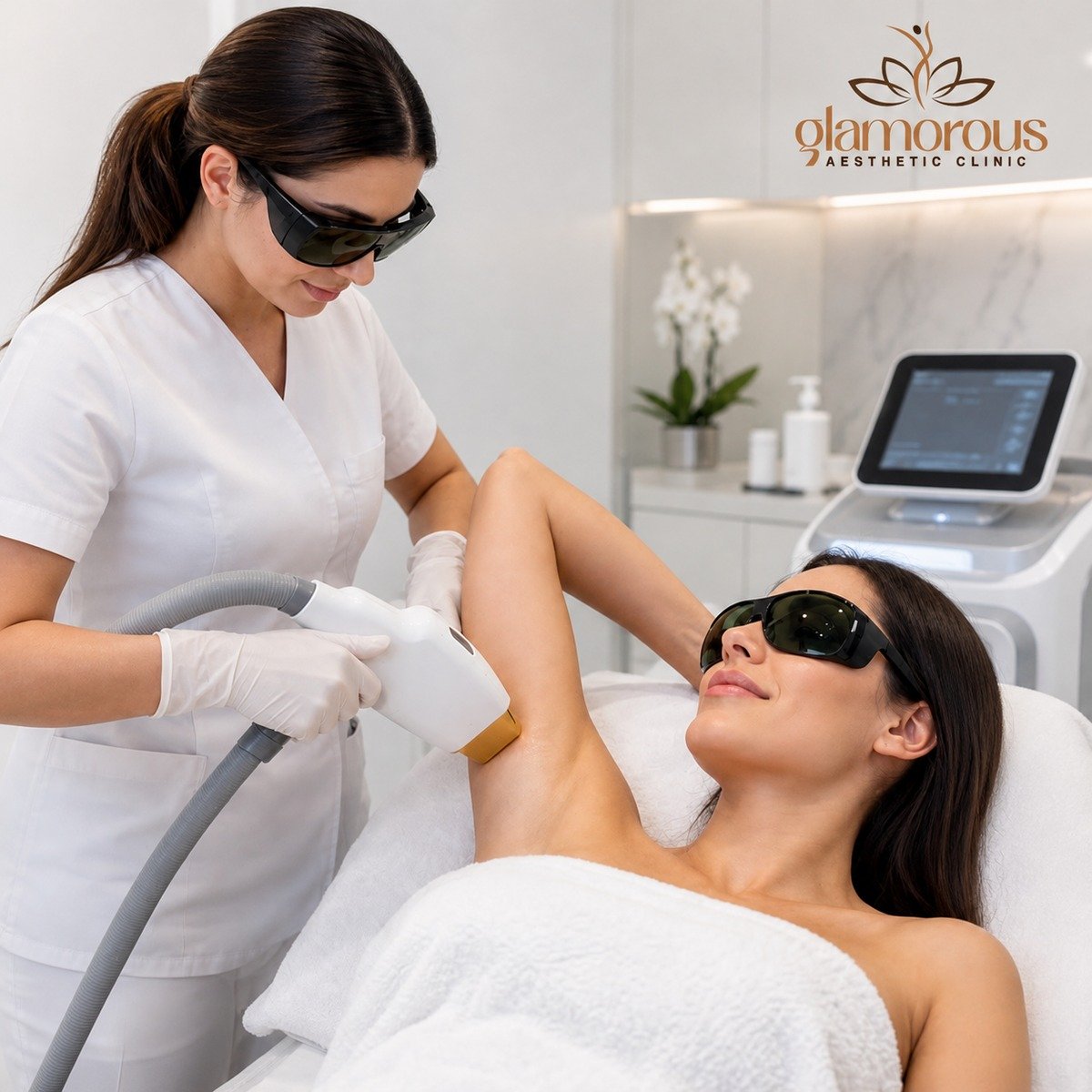
How Laser Hair Removal Works?
A laser emits a concentrated beam of light that is absorbed by melanin, the pigment in hair. The light converts to heat, which damages the follicle enough to slow or stop future growth. Because hair grows in cycles, and only follicles in the active growth phase respond well, multiple sessions spaced several weeks apart are needed.This heat is also what causes most side effects. The skin absorbs some of the energy too, so mild reactions are a normal sign that the treatment is working rather than a sign of failure.
Redness and Swelling Around the Follicles
The most common reaction is redness and slight puffiness around each treated hair follicle. The skin may look like it has small raised bumps, similar to goosebumps or a mild rash. This usually appears within minutes of the session and fades within a few hours, though it can last a day or two in sensitive skin.A cool compress, aloe vera gel, or a doctor-approved soothing cream can ease the sensation. Avoid hot showers and heavy friction on the treated area while the skin settles.
Temporary Discomfort and Sensation
Most people describe the feeling as a quick snap, like a rubber band flicking the skin, or a brief pinch of heat. Sensitivity varies depending on the body area, hair thickness, and personal pain tolerance. The upper lip, underarms, and bikini line tend to feel more intense than the legs or arms.Many clinics use cooling devices, chilled air, or cooling gels to improve comfort. Some may offer numbing cream for sensitive zones, though this should only be used under professional guidance.
Dryness, Itching, and Skin Sensitivity
After treatment, the skin can feel dry, tight, or itchy, similar to mild sunburn. This happens because heat temporarily disrupts the skin’s moisture balance. Applying a gentle, fragrance-free moisturizer helps restore comfort. Avoid scratching, since this can irritate the skin and increase the risk of infection or marks.Skip exfoliating scrubs, strong acids, retinoids, and perfumed products for a few days, as the skin barrier needs time to recover.
Changes in Skin Color
Pigmentation changes are among the more noticeable side effects. Hyperpigmentation appears as darker patches, while hypopigmentation appears as lighter patches. These changes are more likely in people with darker skin tones, in tanned skin, or when the wrong laser settings are used.Most pigmentation changes are temporary and fade over weeks or months, but in rare cases they can last longer. Avoiding sun exposure for several weeks before and after treatment greatly reduces the risk. Choosing a practitioner experienced with your specific skin type, and a laser suited to it, is one of the most important safety decisions you can make.
Blisters, Burns, and Crusting
Less commonly, the skin can develop small blisters, crusting, or superficial burns. These usually result from excessive energy settings, inadequate cooling, tanned skin, or treatment over irritated skin. They may leave marks or scars if not managed properly.If you notice blistering, notify your clinic immediately. Do not pick at scabs or apply random home remedies. A qualified practitioner can recommend suitable wound care and monitor healing.
Ingrown Hairs and Folliculitis
Some people experience ingrown hairs or small pimple-like bumps after treatment. This can occur when follicles are inflamed or when dead hairs struggle to leave the skin. Folliculitis, an inflammation or mild infection of the follicle, is also possible, especially if the area is exposed to sweat, tight clothing, or bacteria.Gentle cleansing, loose clothing, and avoiding shaving cuts help prevent this. Persistent, painful, or pus-filled bumps need medical review.
Shedding That Looks Like Regrowth
Around one to three weeks after a session, treated hairs begin to shed, and this can look like new growth. Many people mistake it for treatment failure, but it is actually dead hair being pushed out of the follicle. Gentle exfoliation after the initial sensitivity has passed can help clear it. Avoid plucking or waxing between sessions, since these remove the root that the laser needs to target.
Rare Side Effects
Some reactions are uncommon but worth knowing. Paradoxical hypertrichosis is a rare effect where fine hair grows thicker or appears in new areas near the treated zone, more commonly reported in people with darker skin and in certain facial areas. Scarring can occur following burns or poor aftercare. Eye injury is a risk if proper protective goggles are not worn, which is why eye protection is mandatory.Cold sore outbreaks can also be triggered when treating around the mouth, so people with a history should mention it beforehand, as preventive medication may be advised.
Who Is More Likely to Experience Side Effects?
Risk rises with recent sun exposure, tanning products, active skin infections, certain medications, and a history of keloid scarring. Medications that increase light sensitivity, including some antibiotics and acne treatments, can heighten reactions. Hormonal conditions may also affect results and hair regrowth patterns.Be honest during your consultation about your medical history, medications, and recent skin exposure to the sun. This allows your practitioner to adjust settings or postpone treatment when needed.
How to Reduce Your Risk?
Preparation makes a significant difference. Avoid sun exposure and tanning in the weeks before treatment, and use sunscreen daily. Shave the area the day before, since the laser needs the root intact but hair above the skin can burn. Avoid waxing and plucking for several weeks beforehand.Afterward, protect the skin from sun, avoid hot baths, saunas, and intense exercise for the first day or two, and keep the area clean and moisturized. Following aftercare instructions closely is the simplest way to prevent most problems.
When to Contact a Professional
Mild redness and swelling are normal, but certain signs require attention. Contact your clinic if you notice severe pain, blistering, signs of infection such as pus or spreading redness, prolonged darkening or lightening of the skin, or any reaction that worsens instead of improving after a couple of days. Early guidance often prevents minor issues from becoming lasting ones.
Choosing a Safe and Qualified Clinic
The quality of the practitioner and equipment strongly affects safety. Look for trained professionals, clean facilities, modern lasers appropriate for different skin tones, and a proper patch test before full treatment. A reliable clinic conducts a thorough consultation, explains risks openly, and avoids unrealistic promises of permanent, instant results. Be cautious of extremely low prices, pressure to buy large packages, or providers who skip the skin assessment.
Conclusion
Laser treatment is generally safe and effective when performed by trained professionals using the right technology for your skin and hair type. Most side effects, including redness, swelling, dryness, and mild discomfort, are temporary and settle within hours or days. More serious problems such as burns, pigment changes, and scarring are uncommon, and the risk drops sharply with proper preparation, careful practitioner selection, and diligent aftercare. Ask questions, disclose your medical history, protect your skin from the sun, and follow instructions closely. By understanding what to expect, you can enjoy the long-term benefits of smoother skin while keeping the process comfortable and safe.
Read More :
https://www.patreon.com/henry248/posts/is-laser-hair-172978618?utm_medium=clipboard_copy&utm_source=copyLink&utm_campaign=postshare_creator&utm_content=join_link