
 Written by
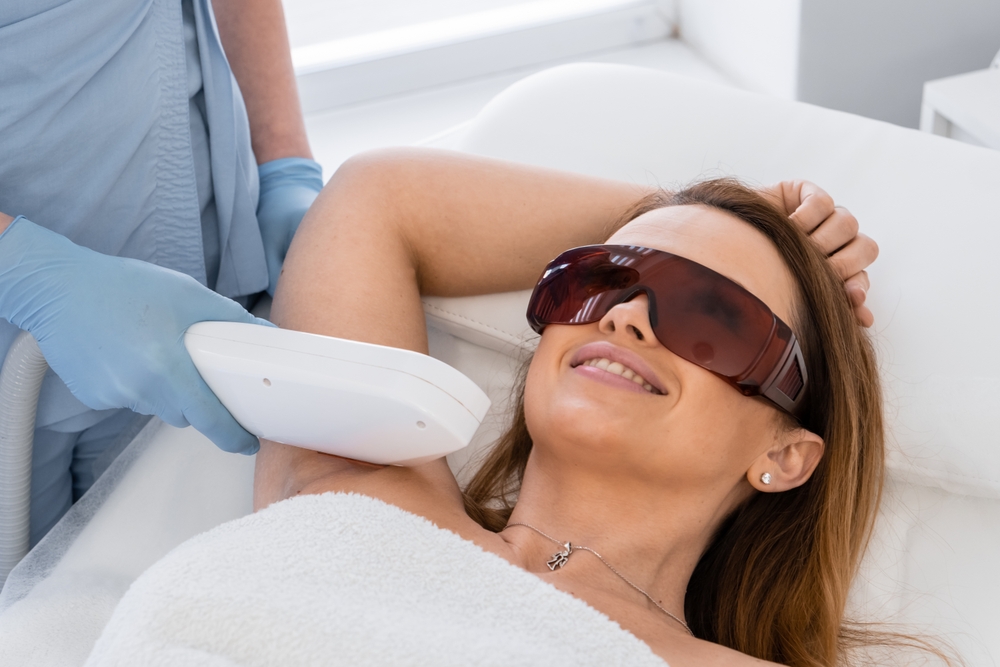
Laser hair bleaching is a cosmetic approach that aims to make unwanted body hair less noticeable without necessarily removing it. People researching Laser Hair Bleaching in Dubai often want to understand how the procedure works and what results they can realistically expect. Dynamic Clinic in Dubai provides information about aesthetic treatment options for individuals exploring different approaches to unwanted hair. Although laser-based hair bleaching may offer certain cosmetic benefits, it has limitations related to hair colour, skin sensitivity, treatment response, and the duration of visible results.
Does Laser Hair Bleaching Remove Hair Completely?
One important limitation is that bleaching and permanent hair removal are not the same. Traditional hair bleaching changes the appearance of hair by reducing its visible colour, while hair removal treatments aim to reduce or destroy active hair follicles.
Depending on the technology used, laser-based bleaching approaches may target hair pigmentation to make strands less noticeable. However, they should not automatically be considered a permanent hair removal solution.
People seeking completely smooth skin should understand the difference between:
Hair bleaching: Makes unwanted hair less visible by changing its colour.
Laser hair removal: Uses targeted energy to damage hair follicles and reduce future growth.
Hair reduction: Decreases hair density or thickness over time, depending on the treatment method.
Understanding these differences helps individuals choose an approach that matches their cosmetic goals.
Why Does Hair Colour Affect Treatment Results?
Hair pigmentation can influence how well light-based procedures work. Treatments that rely on melanin absorption may respond differently depending on the natural colour and thickness of the hair.
Dark hair generally contains more melanin than very light or grey hair. This difference can affect how effectively certain laser technologies interact with individual strands.
Potential limitations include:
Blonde hair: Lower pigment levels may reduce the effectiveness of some light-based technologies.
Grey or white hair: These strands contain little or no melanin, making pigment-dependent treatments less suitable.
Fine hair: Thin strands may respond differently from thicker, more heavily pigmented hair.
Red hair: Its pigment composition can influence how it responds to particular light-based treatments.
An individual assessment is important because hair colour alone does not determine treatment suitability.
Can Laser Hair Bleaching Cause Skin Irritation?
Skin sensitivity is another consideration. Light-based procedures may produce temporary reactions, particularly when the skin is naturally sensitive or has recently experienced irritation.
Possible reactions include:
Temporary redness around treated areas.
Mild warmth or discomfort.
Skin dryness or sensitivity.
Temporary itching.
Pigmentation changes in some cases.
The likelihood of these effects can vary according to skin tone, treatment settings, individual sensitivity, and the technology being used. People with active skin infections, open wounds, or significant inflammation should seek professional advice before undergoing a cosmetic procedure.
Why Are Results Not the Same for Everyone?
Individual responses can vary because hair and skin characteristics differ from person to person. Even when two individuals receive similar treatments, their visible outcomes may not be identical.
Several factors can influence results:
Hair thickness: Coarse and fine strands may respond differently.
Natural pigmentation: The amount and type of pigment affect light absorption.
Skin characteristics: Skin tone and sensitivity influence treatment selection.
Treatment settings: Incorrect or unsuitable settings may affect effectiveness and safety.
Hair growth patterns: Differences in density and distribution can influence the overall appearance.
These variations make it difficult to guarantee a uniform result for every individual.
Does Laser Hair Bleaching Provide Permanent Results?
Another limitation is that visible changes may not last indefinitely. Hair continues to grow naturally, and newly emerging strands may have their original colour.
Hormonal changes, genetics, age, and natural hair growth cycles can influence how hair develops over time. If the procedure changes the appearance of existing strands rather than permanently affecting their follicles, new growth may require additional cosmetic attention.
People should therefore avoid assuming that one session will provide permanent changes. The expected duration depends on the specific technology and the biological response of the treated hair.
Are All Body Areas Suitable for Treatment?
Not every body area is equally suitable for light-based cosmetic procedures. Different regions have different skin thicknesses, hair densities, and sensitivity levels.
For example, facial skin may be more delicate than skin on the legs or arms. Areas exposed to frequent friction may also require additional consideration.
Treatment suitability may depend on:
The thickness and colour of the hair.
Skin sensitivity in the targeted area.
Existing pigmentation or irritation.
Previous cosmetic treatments.
The specific technology being considered.
A qualified practitioner should assess the intended treatment area before recommending a suitable approach.
What Should Be Considered Before Choosing Laser Hair Bleaching?
Understanding the limitations beforehand helps people develop realistic expectations and avoid unsuitable treatment choices.
Important considerations include:
Confirm whether the procedure bleaches hair or reduces follicle activity.
Discuss possible skin reactions and individual risk factors.
Check whether the technology is appropriate for the hair colour.
Disclose any recent skin treatments or ongoing irritation.
Follow recommended preparation and aftercare instructions.
Ask how long the expected cosmetic changes may remain visible.
People with a history of pigmentation problems or skin sensitivity should discuss these concerns before treatment.
Conclusion
Laser hair bleaching has several limitations, including variable results, dependence on hair pigmentation, possible skin irritation, and the need to manage new hair growth. It may make unwanted hair less noticeable, but it should not be confused with permanent hair removal. Understanding the procedure, individual skin characteristics, and realistic treatment outcomes helps people make informed decisions about cosmetic hair management.