
 Written by
When people start researching eyelid surgery, the first question is usually about price, and the second is what that price actually covers. A single quoted figure can mean very different things depending on the clinic, the surgeon and the services bundled into it. Understanding the Eyelid Surgery Cost in Pakistan means looking beyond the headline number and examining every component that makes up the full amount. This article explains what is typically included, what may be charged separately and how to compare quotes fairly so you can plan with confidence.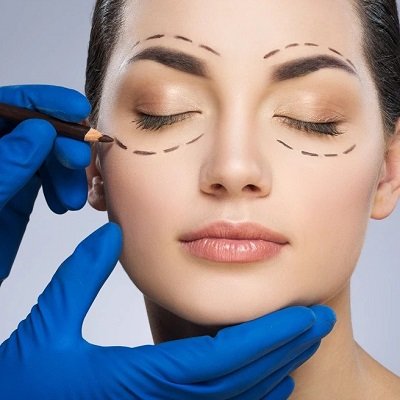
Why the Total Cost Is More Than the Surgeon’s Fee?
Many patients assume the price of eyelid surgery is simply what the surgeon charges for the operation. In reality, the total is built from several parts: the consultation, the surgeon’s professional fee, anesthesia, the operating facility, medications, post-operative care and follow-up visits. Some clinics present all of these as one package, while others list them separately. Neither approach is automatically better, but a clear breakdown helps you avoid surprises later. Always ask for an itemized estimate so you know exactly what is covered and what is not.
The Initial Consultation
Every eyelid procedure begins with a consultation, and this visit is sometimes part of the overall cost and sometimes charged on its own. During the consultation, the surgeon examines your eyelids, brow position, skin quality and fat distribution, reviews your medical history and discusses your goals. Some clinics credit the consultation fee toward the procedure if you proceed, while others treat it as a separate service. It is worth asking about this upfront, because the consultation is where your surgical plan is shaped and where realistic expectations are set.
The Surgeon’s Professional Fee
The surgeon’s fee is usually the largest single component of the total. It reflects the surgeon’s training, experience, the skill required for delicate eyelid work and the time spent planning and performing the operation. Fees can differ based on whether you are having upper eyelids, lower eyelids or both, since combined procedures involve more work and longer operating time. A higher fee does not always mean better care, and a lower fee is not always a bargain, so it is important to weigh qualifications and results alongside price.
Anesthesia Costs
Eyelid surgery may be performed under local anesthesia with sedation or under general anesthesia, depending on the extent of the procedure and your preference and safety profile. Anesthesia involves its own professional fee for the anesthetist, along with the medications and monitoring equipment used. In some packages this is bundled into the total, while in others it appears as a separate line item. General anesthesia typically adds more to the bill than local anesthesia with sedation, so the choice can influence your overall expense.
Facility and Operating Room Charges
The place where surgery is performed contributes to the total cost. Facility charges cover the use of the operating room, sterilized instruments, surgical supplies, monitoring equipment and the nursing and support staff who assist during the procedure. A well-equipped, properly accredited facility costs more to run, and that is reflected in what you pay. This is an area where quality matters, because a clean, safe environment with proper emergency preparedness is an important part of protecting your health.
Pre-Operative Tests and Assessments
Before surgery, you may need certain tests to confirm that you are fit for the procedure. These can include basic blood work and, depending on your health history, other evaluations. Some patients may also need an assessment of tear production or eye health if there is a history of dry eyes or other concerns. Whether these tests are included in the quoted price or billed separately varies, so clarify this early. Skipping necessary pre-operative checks to save money is not advisable, since they help the surgical team plan safely.
Medications and Supplies
After surgery, patients are generally given medications and supplies to support healing. These may include pain relief, antibiotic or lubricating eye drops, ointments and cold compresses. Some clinics include a standard set of medications in the package, while others expect you to purchase them separately from a pharmacy. The cost of these items is usually modest compared with other components, but it is still part of the real total, so it should be factored into your budget.
Post-Operative Care and Follow-Up Visits
Good aftercare is a core part of a successful outcome, and follow-up visits are an important part of the total cost. These appointments allow the surgeon to check how your eyelids are healing, remove sutures when appropriate and address any concerns. Clinics differ in how they handle this. Some include a set number of follow-up visits in the package price, while others charge per visit. Ask how many follow-ups are included, how long that coverage lasts and what happens if you need additional visits.
Factors That Influence the Final Price
Even with a clear list of components, the final amount differs from person to person. Several factors shape it:he extent of surgery. Upper lids only, lower lids only or a combined procedure involve different amounts of time and complexity.Your anatomy and goals. Cases involving significant excess skin, fat repositioning or corrective work may take longer and cost more.The surgeon’s experience. Highly experienced surgeons generally charge more for their expertise.The type of anesthesia. Local anesthesia with sedation and general anesthesia are priced differently.Thefacility. Modern, fully equipped centers with strong safety standards usually charge more than basic setups.The aftercare included. Comprehensive follow-up care adds value and may be reflected in the package price.Because so many variables are involved, the most dependable way to know your cost is a personal consultation rather than relying on a general figure you find online.
How to Compare Quotes Fairly?
When you receive estimates from more than one clinic, comparing the bottom-line numbers alone can be misleading. One quote may include anesthesia, medications and follow-ups, while another may list only the surgeon’s fee. To compare fairly, ask each clinic for an itemized breakdown and line up the same components side by side. Check whether the facility fee, anesthesia, tests, medications and aftercare are all accounted for. Also look at the surgeon’s qualifications, the clinic’s safety standards and how openly staff answer your questions.Be cautious about quotes that seem unusually low. A price far below the usual range may mean important elements are excluded, corners are being cut or the provider lacks proper training or facilities. Eyelid surgery involves delicate structures close to the eyes, so safety and skill should come before savings.
Planning Your Budget Wisely
Once you understand the components, you can build a realistic budget. Set aside funds for the quoted procedure, then add a small cushion for medications, supplies and any extra follow-up. If you need time away from work or have to travel for treatment, include those costs as well. Planning ahead reduces stress and lets you focus on healing rather than worrying about unexpected expenses.
Conclusion
The total cost of eyelid surgery is made up of many parts, including the consultation, the surgeon’s fee, anesthesia, facility charges, tests, medications and post-operative care. Knowing what each component covers, and what may be billed separately, helps you compare options fairly and avoid hidden surprises. Rather than choosing based on price alone, focus on safety, surgeon experience, transparent pricing and the quality of aftercare. The best way to learn what your own procedure will involve is to book a consultation, ask for an itemized estimate and make a well-informed decision that fits both your goals and your budget.
Read More :
https://www.articleted.com/feature/1256755