
 Written by
 Unwanted hair on the face and body can make regular grooming time-consuming, especially for people who frequently shave, wax, or thread. Laser hair removal offers a longer-term way to reduce hair growth by targeting the follicles beneath the skin. People considering إزالة الشعر بالليزر في دبي can explore treatment options for different body areas according to their needs. The most suitable areas depend on hair colour, skin tone, hair thickness, and the individual’s treatment goals.
Facial Areas
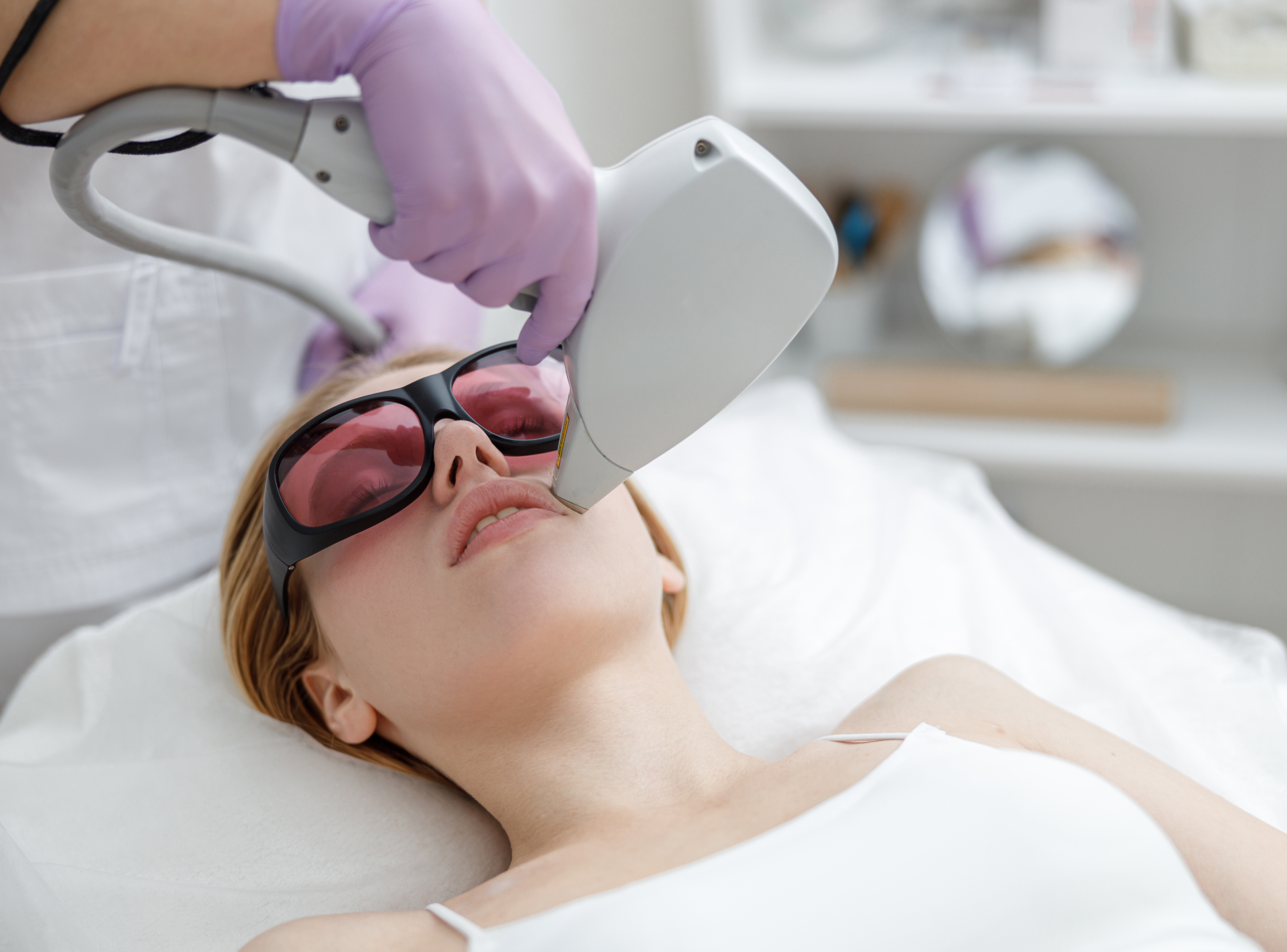
Laser hair removal can target unwanted hair on several facial areas, including the upper lip, chin, cheeks, sideburns, and jawline. These treatments may help reduce visible hair growth and the need for frequent threading or shaving. Facial skin can be sensitive, so suitable laser settings and careful treatment boundaries are important. Hair that is very fine or lightly pigmented may respond less effectively, and areas close to the eyes require particular safety precautions.
Underarms
The underarms are a common treatment area because repeated shaving can contribute to irritation, razor bumps, and ingrown hairs. Laser hair removal may gradually reduce hair density, making everyday grooming easier. Several sessions are usually needed because hair follicles grow at different rates, and the results vary according to hair thickness, skin tone, and individual response.
Arms and Hands
Laser hair removal can be used on the upper arms, forearms, and hands to reduce unwanted hair. Some people choose to treat the entire arm, while others focus on smaller areas where hair is more noticeable. Darker, coarser hair generally responds better to conventional laser systems than very fine or lightly coloured hair, so the practitioner should assess the hair before recommending treatment.
Legs and Thighs
The legs and thighs can be treated to reduce the need for regular shaving or waxing. Since these areas cover a large surface, appointments may take longer than treatments for smaller regions. Hair growth usually decreases gradually over multiple sessions, and the number of treatments depends on hair density, growth cycles, and how the skin and follicles respond.
Bikini Line and Intimate Areas
Laser hair removal can reduce unwanted hair along the bikini line and in selected external intimate areas. Before treatment, the practitioner should discuss the person’s preferences and clearly establish which areas will be treated. These regions can be sensitive, making appropriate equipment, hygiene, and treatment settings essential. A trained professional should explain preparation and aftercare to help reduce irritation.
Back and Shoulders
The back and shoulders are suitable treatment areas for people who want to manage dense or coarse body hair. Treatment may cover a specific section or a larger area, depending on the individual’s preferences and hair distribution. Because these areas can contain substantial hair growth, several appointments may be needed, and some people may require maintenance sessions as new growth appears.
Chest and Abdomen
Laser hair removal can be used on the chest, stomach, and surrounding areas to reduce unwanted body hair. Treatment can focus on a small section or cover a broader region according to personal goals. Results depend on hair colour, thickness, hormonal influences, and the laser system used. A consultation can help establish realistic expectations and identify an appropriate treatment plan.
Neck and Hairline
Selected areas of the neck and hairline can be treated when unwanted hair affects grooming preferences. Careful planning is important because the practitioner needs to identify the desired hairline and avoid removing hair from areas where it is wanted. Treatment around the face and head also requires appropriate eye protection and precise technique to reduce the risk of injury.
Skin Tone and Hair Type Considerations
Laser hair removal can be suitable for many skin tones, but effectiveness and safety depend on selecting the right technology and settings. Dark, coarse hair often responds better because the laser targets pigment in the hair, while white, grey, and some blonde or red hairs may respond poorly. A professional assessment should consider skin tone, recent tanning, hair density, and any history of pigmentation changes before treatment begins.
Preparing for Different Treatment Areas
Preparing the skin correctly helps the practitioner deliver treatment safely and effectively. Follow the clinic’s instructions about shaving, skincare products, and sun exposure before the appointment. Waxing and plucking are generally avoided before laser treatment because they remove the hair that the laser needs to target. Inform the practitioner about medications, skin conditions, recent tanning, and previous reactions to hair-removal procedures, and never stop prescribed medication without medical advice.
Frequently Asked Questions
Can laser hair removal treat multiple body areas?
Laser hair removal can be used on several areas during a treatment course, including the face, arms, legs, underarms, back, chest, and bikini line. The practitioner can help plan appointments according to the size of each area, hair growth patterns, and individual suitability.
Is laser hair removal suitable for facial hair?
Yes, selected facial areas such as the upper lip, chin, cheeks, and sideburns can be treated. The hair must be suitable for laser targeting, and careful settings and eye protection are essential.
Which areas respond well to laser hair removal?
Areas with dark, coarse hair often respond well when the laser is appropriate for the person’s skin tone. However, results vary, and no treatment area is guaranteed to achieve complete or permanent hair removal.
Can sensitive body areas be treated?
Some sensitive areas, including the underarms and bikini line, can be treated by trained professionals using suitable equipment and settings. A consultation helps identify potential risks and determine the safest approach.
Are maintenance sessions necessary?
Some people need occasional maintenance sessions because laser hair removal provides long-term hair reduction rather than guaranteed permanent removal. The need for further treatment depends on regrowth, hormonal influences, and individual response.
Conclusion
Laser hair removal can treat many areas of the face and body, including the upper lip, chin, underarms, arms, legs, bikini line, back, chest, abdomen, and selected neck areas. The best approach depends on hair colour, skin tone, hair thickness, and individual goals. Multiple sessions are generally required, and some people may need maintenance treatments to manage regrowth. A professional assessment helps identify suitable treatment areas, select appropriate laser technology, and reduce the risk of unwanted skin reactions.