
 Written by
Choosing the right toy for a child involves more than looking at its design, colour or price. Parents also need to consider whether a toy is suitable for their child’s age and stage of development. A product that looks interesting may not always be the right choice for a young child. Some toys contain small parts, while others require skills that children may not have developed yet.
Age recommendations provide useful guidance when shopping for children’s toys. They help parents understand the intended age group and identify products that are more suitable for their child’s abilities. Although every child develops at a different pace, these recommendations offer a helpful starting point when making purchasing decisions.
Parents looking for different toy options can explore https://gifzy.co.uk/ to discover products for children’s play, entertainment and everyday activities.
Understanding Age Recommendations on Children’s Toys
Age recommendations are guidelines provided by toy manufacturers. They indicate the age group for which a particular product has been designed. These labels are usually based on factors such as product design, materials, small components and the skills needed to use the toy.
For example, toys designed for babies often include simple shapes, bright colours and different textures. Products for older children may involve puzzles, construction activities or more detailed play features.
It is important to understand that age recommendations do not measure a child’s intelligence or ability. They are general guidelines based on the product’s intended use and safety considerations.
Parents should therefore consider both the recommended age and their child’s individual development before purchasing a toy.
How Age Recommendations Help Improve Toy Safety
Safety is one of the most important reasons to check age labels. Young children often explore their surroundings by touching, holding and putting objects in their mouths. This natural behaviour makes certain toys unsuitable for babies and toddlers.
Small parts can create choking risks if they become detached from a toy. Products with long cords, sharp edges or easily removable decorations may also present safety concerns.
Age recommendations help parents identify products that may not be suitable for younger children. However, checking the age label alone is not enough. Parents should also read product warnings, inspect the materials and follow the manufacturer’s instructions.
Toys should be checked regularly for damage. Broken pieces, loose components and worn materials can create risks even when a product was originally suitable for the child’s age.
Choosing Toys That Match a Child’s Development
Children develop different skills as they grow. Their hand movements, coordination, communication and ability to solve problems gradually improve. Toys can provide opportunities to practise these skills through everyday activities.
Younger children often benefit from simple play experiences. Soft toys, colourful objects and suitable sensory products can encourage them to explore different shapes and textures.
As children grow, they may become interested in activities that involve sorting, stacking, matching and building. These toys introduce new challenges and allow children to practise using their hands and thinking through simple problems.
Older children may enjoy construction sets, puzzles, creative activities and games that involve planning. These experiences can encourage patience, concentration and independent thinking.
Selecting toys that match a child’s development can make everyday play more meaningful.
Why Toys Should Not Be Too Difficult or Too Simple
The level of difficulty can influence how much a child enjoys a toy. A product that is too complicated may cause frustration, especially when the child does not yet have the skills needed to use it.
For example, a young child may struggle with a puzzle containing many small pieces. Similarly, an older child may quickly lose interest in a toy that offers very limited activities.
Age recommendations help parents find a suitable starting point. They can look for products that match their child’s current abilities while still offering opportunities to learn something new.
A good toy does not always need to be easy to use. Small challenges can make play more interesting. The important thing is to choose activities that children can gradually understand and enjoy.
The Role of Age-Appropriate Toys in Learning
Play is an important part of childhood learning. Children often discover new ideas by experimenting with objects, repeating activities and observing what happens.
Different toys can support different types of learning. Building blocks introduce basic ideas about shapes, balance and construction. Puzzles encourage children to recognise patterns and think about how different pieces fit together.
Creative toys can provide opportunities to explore colours, materials and imaginative ideas. Pretend-play products may also help children practise everyday situations and develop communication skills.
When a toy matches a child’s age and abilities, it can provide an enjoyable way to practise these activities. Parents should not expect every toy to teach a specific skill. Children also need time for relaxed play without a particular learning goal.
Why Sensory Toys Need Careful Age Selection
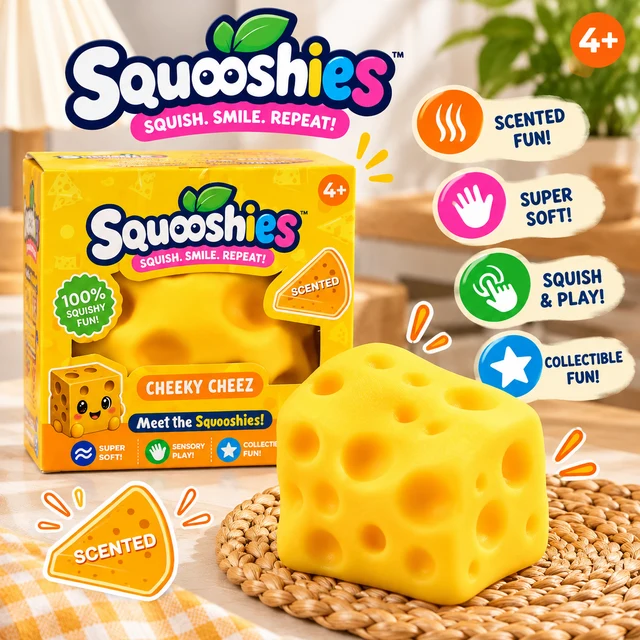
Sensory toys are popular because they allow children to explore different textures, shapes and physical sensations. Squishy toys, soft plush products and other tactile items can make play more interactive.
However, not every sensory toy is suitable for every age group. Some products may contain small decorations, detachable parts or materials that require careful handling.
Parents should check the manufacturer’s recommended age before choosing these products. They should also consider whether the toy is strong enough for regular use and whether its materials are appropriate for the intended age group.
For example, a soft squeeze toy may appear simple, but its construction and small components still need to be considered. Parents should inspect the product and follow any warnings provided by the manufacturer.
Different types of children’s products can be explored at https://gifzy.co.uk/collections/toys. Reading individual product descriptions can help parents compare designs and suitability before making a decision.
Considering a Child’s Interests and Preferences
Age recommendations are useful, but they should not be the only factor when choosing a toy. Children’s interests also influence how they interact with different products.
Some children enjoy building and construction activities. Others prefer drawing, imaginative play, dolls, vehicles or sensory experiences. A toy that reflects a child’s interests may encourage them to spend more time exploring it.
Parents can observe which activities their children enjoy during everyday play. This can help them make better decisions when buying new products.
It is also useful to consider whether a toy offers different ways to play. Products that allow children to create their own activities may remain interesting for longer than toys with only one simple function.
The aim is to find something that suits the child’s age while also reflecting their personality and interests.
Understanding Toy Labels and Safety Information
Toy packaging often includes useful information about the product. This may include the recommended age, materials, safety warnings, instructions and manufacturer details.
Parents should take time to read these details before making a purchase. An age label such as 3+ indicates that the product is intended for children aged three and above. It should not be ignored simply because a younger child appears interested in the item.
In the UK, parents may also see CE or UKCA markings on toys. These markings relate to applicable product conformity requirements. They should be considered alongside other product information and safety guidance.
Clear instructions can also explain how a toy should be used, cleaned or stored. This information becomes particularly important for products with several components or specific handling requirements.
Buying from a retailer that provides clear descriptions and product information can make it easier to compare different options.
The Importance of Adult Supervision
Even suitable toys may require supervision, particularly when young children are learning how to use them.
Parents and caregivers should observe children during play and make sure they are using products as intended. This is especially important when a toy contains several parts or requires particular handling.
Supervision also provides an opportunity for adults to participate in play. They can explain how a toy works, demonstrate different activities and encourage children to explore new ideas.
As children become more familiar with their toys, they may develop greater confidence in using them independently. However, parents should continue to follow any supervision instructions provided by the manufacturer.
How to Make Better Toy Purchasing Decisions
Before purchasing a toy, parents should consider a few important factors. The first is the manufacturer’s recommended age. This helps establish whether the product is intended for the child’s age group.
The second consideration is product construction. Parents should look for strong materials, secure components and a design that is suitable for the intended use.
The child’s interests should also influence the decision. A toy that matches their preferences is more likely to provide an enjoyable experience.
It is equally important to consider the available play space and storage requirements. Larger toys may need more room, while smaller products can be easier to organise. However, small components should always be kept away from younger children who may not be able to use them safely.
Finally, parents should check product descriptions and safety information rather than relying only on photographs or promotional claims.
Reviewing Toys as Children Grow
Children’s abilities and interests change over time. A toy that once provided hours of entertainment may eventually become too simple or lose its appeal.
Parents can review their children’s toys regularly to see which products are still suitable. This also provides an opportunity to check for damaged parts, loose components and worn materials.
As children develop new skills, parents can introduce activities that offer a little more challenge. For example, a child who enjoys simple building activities may gradually become interested in more detailed construction toys.
There is no need to replace every toy as soon as a child reaches a new age group. Some products can remain enjoyable for several years, provided they are still safe and suitable for the child’s abilities.
The important thing is to pay attention to changing needs rather than following age ranges without considering the individual child.
Making Playtime Safer and More Enjoyable
Choosing suitable toys requires attention to several details. Age recommendations help parents understand the intended age group, while product descriptions and safety warnings provide further information.
Parents should also consider their child’s interests, abilities and development. A well-chosen toy can encourage exploration, creativity and enjoyable family activities.
The right purchasing decision is not always about choosing the most expensive or complicated product. It is about finding something that is safe, suitable and interesting for the child.
By taking time to check age labels and product information, families can make more confident choices and create positive play experiences as their children grow.