
 Written by
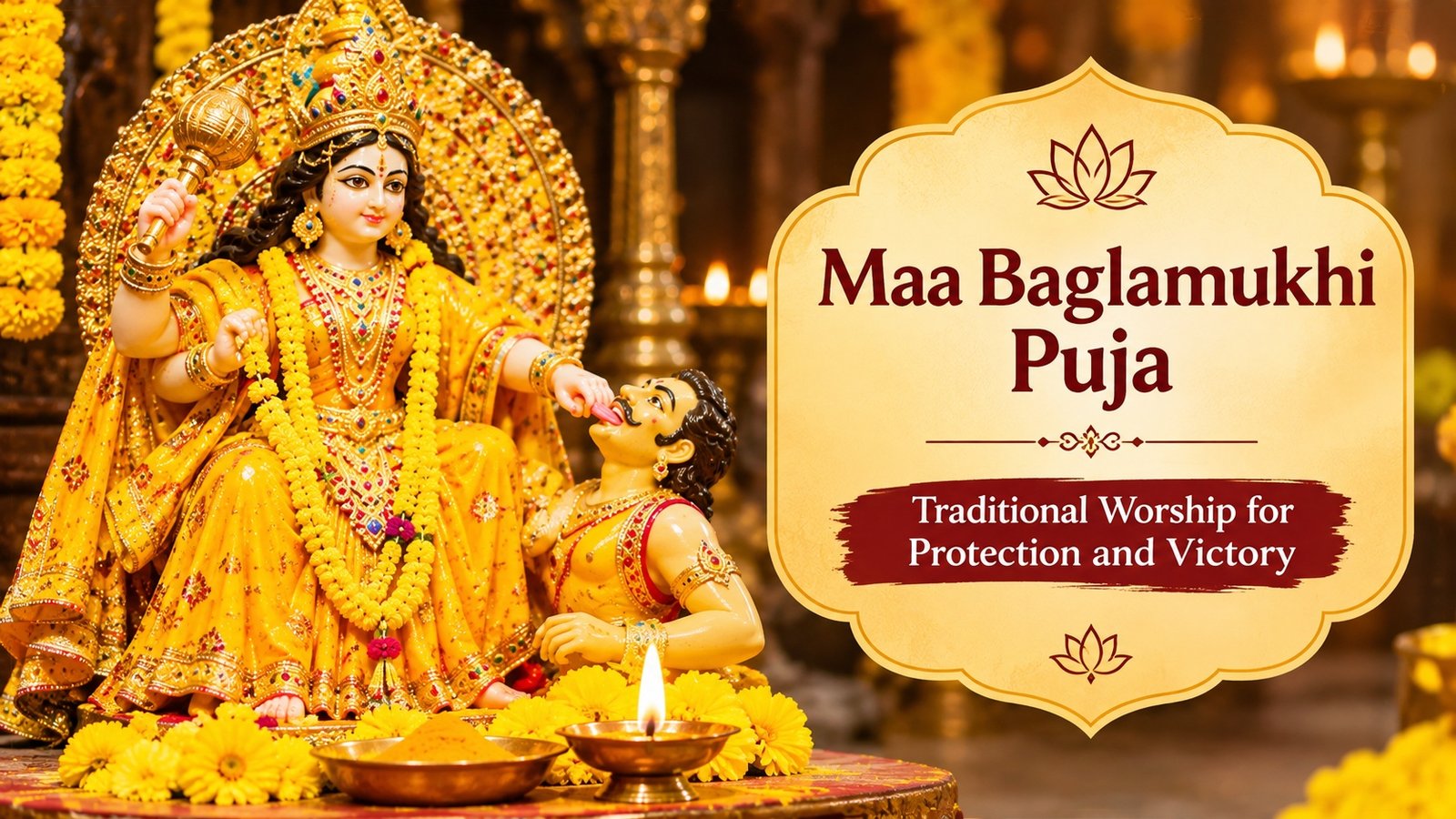
Traditional worship is not only about performing rituals or reciting mantras. It also involves maintaining discipline, showing respect, and understanding the values behind devotional practices. In Maa Baglamukhi worship, these qualities help devotees approach religious traditions with sincerity and awareness.
Baglamukhi puja discipline is connected with following customary practices, maintaining a peaceful environment, and participating in worship with a focused mind. Devotional discipline and worship etiquette also help preserve the dignity of traditional rituals. Although customs may differ between temples, families, and regions, respect and sincerity remain important parts of the devotional experience.
What Does Discipline Mean in Traditional Baglamukhi Worship?
Discipline in worship refers to following an organised and respectful approach during religious activities. It includes preparing for prayer, observing customary practices, maintaining cleanliness, and giving proper attention to the worship process.
In traditional Maa Baglamukhi worship, discipline may involve:
- Following the customary sequence of rituals.
- Maintaining cleanliness in the worship area.
- Respecting the instructions of the temple or family tradition.
- Avoiding unnecessary interruptions during prayers.
- Reciting prayers or mantras with attention.
- Handling sacred objects carefully.
These practices are not simply rules to follow. They reflect the devotee’s intention to participate in worship thoughtfully.
Why Is Baglamukhi Puja Discipline Important?
1. It Encourages a Focused Mind
A peaceful and organised approach can help devotees concentrate during worship. When people avoid unnecessary distractions, they can give better attention to prayers, devotional readings, and other religious activities.
Maintaining focus is particularly meaningful during mantra recitation and meditation. Instead of rushing through the process, devotees can take time to understand the words and their devotional significance.
2. It Preserves Traditional Ritual Practices
Religious customs are often passed from one generation to another through families, temples, and spiritual traditions. Following established practices respectfully helps preserve this knowledge.
However, every tradition may not follow an identical procedure. Some communities may have specific arrangements for offerings, prayer sequences, or other activities. Devotees should understand the customs of the tradition they are following rather than assuming that one method applies everywhere.
3. It Builds Consistency in Devotional Life
Devotional discipline is not limited to a single puja. It can also be reflected in regular prayer, respectful behaviour, and the time devoted to religious learning.
A consistent approach may include setting aside a suitable time for prayer, keeping devotional materials organised, and reading traditional texts carefully. Such habits can make worship a more meaningful part of everyday life.
Understanding Respect in Maa Baglamukhi Worship
Respect is an essential value in many Hindu religious traditions. During Maa Baglamukhi worship, it can be expressed through behaviour, language, and the way devotees participate in rituals.
Respect does not depend only on external arrangements. It also involves understanding the religious significance of the practices and recognising that other devotees may follow different customs.
Respect for the Deity and Sacred Space
Devotees traditionally approach the deity and the worship area with reverence. Keeping the surroundings clean, avoiding careless handling of sacred objects, and maintaining appropriate behaviour are common ways to express this respect.
In temples, visitors should follow the rules established by the temple authorities. These may include instructions about footwear, photography, offerings, and access to specific areas.
Respect for Ritual Materials
Traditional worship may include flowers, turmeric, lamps, incense, water, and other offerings, depending on the local custom.
These materials should be handled carefully and used according to the relevant tradition. Devotees should avoid treating ritual objects casually or making assumptions about their use without understanding the customary practice.
Respect for Other Devotees
A worship space is shared by people with different levels of religious knowledge and personal beliefs. Maintaining silence when appropriate, avoiding arguments, and allowing others to participate peacefully are important aspects of worship etiquette.
Respectful behaviour creates an environment where everyone can focus on their devotional activities.
Important Worship Etiquette to Follow
Worship etiquette refers to the customary behaviour expected during religious activities. It may differ across temples and households, but some general practices are widely appreciated.
Maintain Personal and Environmental Cleanliness
Cleanliness is commonly associated with preparation for Hindu worship. Devotees may bathe, wear clean clothes, and prepare a tidy worship area according to their family or temple customs.
The prayer space should also be kept organised. Used flowers, packaging, and other waste should be disposed of appropriately rather than left around the worship area.
Follow the Customary Ritual Sequence
Some forms of Maa Baglamukhi worship include mantra jaap, stotra recitation, aarti, offerings, and havan. The sequence and procedure can vary according to the tradition.
Devotees should follow the instructions associated with their particular form of worship. They should not combine unrelated ritual steps or change established procedures without understanding their significance.
Avoid Unnecessary Conversations
During prayers and mantra recitation, unnecessary conversations can disturb concentration. Keeping mobile phones silent and avoiding loud discussions are simple ways to maintain a peaceful atmosphere.
This does not mean that every temple or household must follow exactly the same rules. Local instructions should always be respected.
Be Mindful During Mantra Recitation
Mantra recitation is an important devotional practice in many Baglamukhi traditions. Devotees should learn the correct pronunciation and meaning from reliable traditional sources or knowledgeable teachers.
It is better to recite a mantra attentively than to rush through it merely to complete a particular number of repetitions. Sincerity and understanding are important aspects of devotional discipline.
The Role of Devotional Discipline in Daily Life
Devotional discipline can extend beyond the time spent performing puja. It may influence how a person approaches daily responsibilities, personal conduct, and religious learning.
For example, devotees can develop simple habits such as:
- Maintaining a regular time for prayer when practical.
- Reading devotional texts with attention.
- Keeping religious materials in an organised place.
- Avoiding disrespectful discussions about religious practices.
- Learning the meaning of commonly used prayers.
- Following family or temple customs with understanding.
These habits encourage consistency without making worship feel like a mechanical task.
Common Mistakes to Avoid During Traditional Worship
Understanding worship etiquette also means recognising behaviours that may disturb the devotional environment or create confusion about religious customs.
Some common mistakes include:
Treating every ritual as identical: Baglamukhi worship practices can differ across regions and traditions. One community’s procedure should not automatically be presented as universal.
Rushing through prayers: Performing rituals without attention may reduce the opportunity for reflection and devotional understanding.
Ignoring temple instructions: Each temple may have specific rules for visitors. These should be followed respectfully.
Handling sacred materials carelessly: Offerings and ritual objects should be treated according to their customary use.
Judging other devotees: People may have different ways of expressing devotion. Respectful differences should not become a reason for unnecessary criticism.
How Can Beginners Develop Proper Worship Discipline?
People who are new to Maa Baglamukhi worship may find traditional practices unfamiliar. A gradual learning approach can help them understand the customs without feeling overwhelmed.
First, learn about the basic religious significance of Maa Baglamukhi and the traditions associated with her worship. Next, understand the purpose of the prayers and offerings used in the particular tradition you wish to follow.
If participating in temple worship, observe the local instructions and ask appropriate questions when guidance is needed. For household worship, family customs and reliable religious guidance can help clarify the customary process.
Beginners should remember that devotional discipline is not about competing with others or following unnecessary restrictions. It is about approaching worship with sincerity, patience, and respect.
Conclusion
Discipline and respect are meaningful parts of traditional Maa Baglamukhi worship. They help devotees maintain focus, understand ritual customs, preserve religious practices, and create a peaceful environment for prayer.
Baglamukhi puja discipline is not limited to following a fixed set of instructions. It also includes devotional discipline, thoughtful participation, cleanliness, and proper worship etiquette. By understanding the purpose behind these values, devotees can approach traditional worship with greater awareness and sincerity while respecting the differences found across religious communities.