
 Written by
Thread lift surgery may improve the appearance of mildly sagging neck skin by providing temporary support to selected tissues and creating a subtle lifting effect. The neck often shows signs of ageing as collagen production declines, skin elasticity decreases, and soft tissues gradually lose firmness. Thread Lift Surgery in Dubai is a minimally invasive cosmetic procedure that uses dissolvable threads placed beneath the skin to support targeted areas. Its suitability for neck rejuvenation depends on skin quality, the degree of laxity, neck anatomy, and the individual’s treatment goals.
How Thread Lifts Support Loose Neck Skin
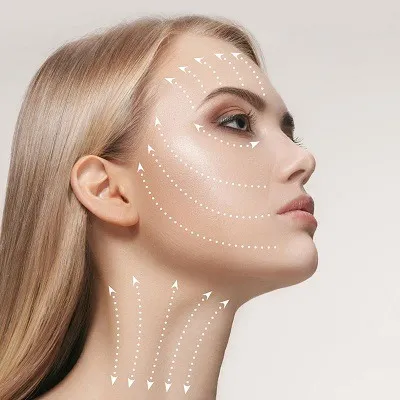
A thread lift involves placing specialised threads beneath the skin to provide support to selected tissues. When used for appropriate lower-face or neck concerns, the threads may create a gentle lifting effect that makes mild skin laxity less noticeable. Some thread materials can also stimulate collagen production as the body responds to the threads. However, the procedure cannot remove substantial excess skin or reliably correct pronounced neck sagging, so a professional assessment is necessary before treatment.
Common Causes of Neck Skin Sagging
Neck skin may become loose because of natural ageing, reduced collagen and elastin, genetic factors, and long-term sun exposure. Changes in weight can also affect the appearance of the neck, while some people develop visible skin folds or muscle bands over time. These concerns do not all respond to the same treatment. A thread lift may help selected cases of mild tissue laxity, but sagging caused by significant excess skin or prominent neck muscles may require a different approach.
Potential Benefits of Thread Lift Treatment for the Neck
For suitable candidates, a thread lift may offer a subtle improvement without the larger incisions associated with surgical neck lifting. The procedure typically uses small entry points and is commonly performed with local anaesthesia. Potential benefits include temporary support for selected tissues, a modest lifting effect, and stimulation of collagen formation with certain thread types. Recovery is often less extensive than that associated with traditional surgery, although swelling, bruising, tenderness, and other side effects can still occur. Results vary, and the procedure does not guarantee a smoother or firmer neck.
The Role of Collagen in Neck Firmness
Collagen helps maintain skin structure and strength, while elastin contributes to flexibility. As these proteins change with age, neck skin may become thinner, less resilient, and more prone to sagging. Certain dissolvable threads stimulate a local healing response that may encourage collagen formation around the treated area. This process can contribute to tissue support, but it does not fully restore lost elasticity or remove loose skin. The degree of improvement depends on the thread material, individual healing response, and existing skin condition.
Checkpoint: Understanding Neck Thread Lift Treatment
Before choosing a thread lift for the neck, consider the following points:
Suitable concerns: Selected cases of mild skin laxity.
Treatment purpose: Temporary support and subtle lifting of targeted tissues.
Expected improvement: A modest change rather than a dramatic neck transformation.
Possible side effects: Swelling, bruising, tenderness, tightness, or temporary dimpling.
Important limitation: Significant excess skin and prominent muscle bands may not respond adequately.
Professional assessment: Neck anatomy, medical history, skin condition, and expectations should be reviewed before treatment.
Recovery and Aftercare Following Neck Treatment
Recovery depends on the treatment plan, the number and type of threads used, and the individual’s healing response. Temporary swelling, bruising, tenderness, tightness, or unevenness may occur after treatment. Patients should follow their practitioner’s instructions, avoid unnecessary pressure or manipulation of the treated area, and limit strenuous activity for the recommended period. Any worsening pain, increasing redness, fever, or unusual symptoms should be reported promptly to the treating clinician. Careful follow-up helps identify complications and supports appropriate recovery.
Factors That Influence the Final Results
The outcome of a thread lift depends on the degree of sagging, skin elasticity, neck anatomy, and the practitioner’s technique. People with mild laxity may be more suitable than those with advanced loose skin. Thread lifts also provide temporary results, as the threads gradually dissolve and the natural ageing process continues. A qualified practitioner can determine whether the neck is an appropriate treatment area and explain whether another procedure may offer a more suitable result for the individual’s concerns.
Frequently Asked Questions
Can a thread lift tighten very loose neck skin?
A thread lift may help with mild skin laxity, but it is generally not sufficient for very loose skin or substantial excess tissue. More pronounced sagging may require a surgical approach or another treatment selected after an individual assessment. The best option depends on the skin condition, neck anatomy, and desired level of improvement.
How long do neck thread lift results last?
Results are temporary and vary according to the thread material, skin quality, and individual healing response. Some people notice improvement for several months or longer, but the effect gradually diminishes as the threads dissolve and ageing continues. A practitioner can explain realistic expectations for the specific treatment plan.
Is thread lift treatment for the neck painful?
Local anaesthesia is commonly used to reduce discomfort during the procedure. Some tenderness, tightness, or soreness may occur afterward. The experience varies between individuals, so patients should discuss pain management, recovery, and possible complications with their practitioner before treatment.
What are the possible side effects of a neck thread lift?
Potential side effects include bruising, swelling, tenderness, temporary dimpling, and unevenness. Less common complications may include infection, visible or displaced threads, or persistent discomfort. Choosing a qualified practitioner and following aftercare guidance can help manage risks, although no procedure is entirely risk-free.
Can a neck thread lift replace a surgical neck lift?
A thread lift is not a direct replacement for a surgical neck lift. It may offer modest improvement for selected cases of mild laxity, while surgery can address more substantial excess skin and other structural concerns. A consultation can help establish which approach is most appropriate for the individual’s needs.
Professional Guidance at Dynamic Life Clinic
People exploring options for sagging neck skin can discuss their concerns with a qualified cosmetic practitioner at Dynamic Life Clinic. An assessment should consider skin laxity, neck anatomy, medical history, and expectations before recommending a procedure. Patients should also receive clear information about the likely results, recovery requirements, possible complications, and alternative treatments so they can make an informed decision about neck rejuvenation.
Conclusion
Thread lift surgery may improve the appearance of mildly sagging neck skin by providing temporary support to selected tissues and encouraging collagen formation with certain thread materials. It is generally more suitable for subtle changes than for pronounced looseness or significant excess skin. Because results and suitability vary, a professional assessment is essential before proceeding. Understanding the procedure’s benefits and limitations can help patients choose an approach that aligns with their skin condition and desired outcome.