
 Written by
 Recovery after laser skin resurfacing can vary depending on the laser type, treatment intensity, skin condition, and individual healing response. For people considering Laser Skin Resurfacing in Dubai, understanding the recovery process can make it easier to plan treatment and follow appropriate aftercare. Dynamic Clinic in Dubai provides laser-based skin resurfacing as part of aesthetic skin care services.
What Is the Typical Laser Skin Resurfacing Recovery Time?
There is no single recovery period that applies to everyone. A mild resurfacing procedure may involve only a short period of visible redness and sensitivity, while deeper resurfacing can require more time for the skin barrier to repair.
Recovery commonly progresses through several stages:
- First few days: Redness, warmth, sensitivity, or mild swelling may be noticeable.
- Several days to one week: Surface changes such as dryness, flaking, or peeling may occur depending on treatment depth.
- One to two weeks: The skin may gradually appear calmer as surface healing progresses.
- Following weeks: Skin texture and tone can continue changing as deeper tissue remodeling takes place.
The exact timeline should be determined during an individual assessment rather than based solely on average recovery periods.
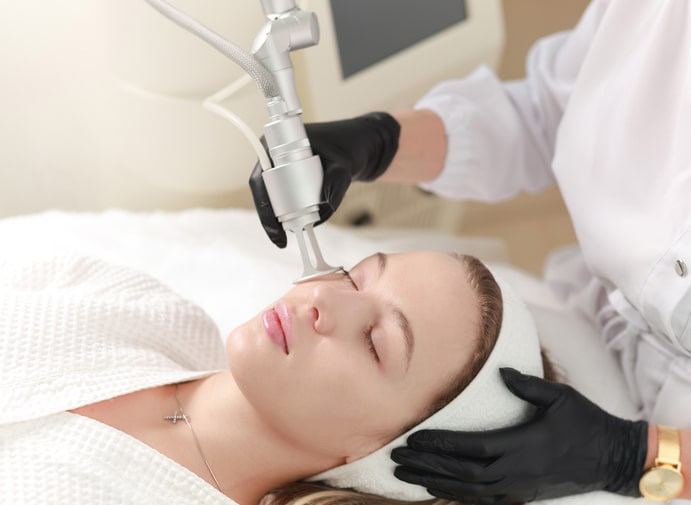
What Happens During the First 24 to 48 Hours?
Immediately after treatment, the skin may appear red or feel warm and sensitive. The treated area can also feel similar to mild sun exposure, particularly when a more intensive resurfacing approach has been used.
During this early phase, the skin barrier is more vulnerable. A personalized aftercare plan may include gentle cleansing, appropriate moisturization, and strict protection from ultraviolet exposure. Avoiding unnecessary touching or rubbing can also help protect the treated surface.
What Should You Expect During the First Week?
The first week is often the most noticeable stage of recovery. Depending on the procedure, the skin may become dry, tight, flaky, or temporarily rough as damaged surface cells are shed.
Some people experience:
- Temporary redness
- Mild swelling
- Dryness or tightness
- Peeling or flaking
- Increased sensitivity
- Temporary changes in skin texture
The intensity and duration of these changes depend heavily on the laser settings and the depth of resurfacing.
When Can You Return to Normal Activities?
The answer depends on the treatment performed and how quickly the skin recovers. People undergoing lighter resurfacing may resume ordinary activities sooner, while deeper procedures can require a longer period before the skin is comfortable with normal routines.
For Dubai residents, sun exposure deserves particular attention during recovery. Ultraviolet radiation can affect healing skin and may contribute to unwanted pigmentation changes. Limiting direct sun exposure and following recommended sun-protection measures are therefore important parts of post-treatment care.
What Factors Affect Recovery Time?
Several factors can influence how long the skin takes to recover:
Treatment Depth
A superficial resurfacing treatment generally affects the outer layers of skin, whereas deeper resurfacing reaches further into the tissue. More intensive treatment can involve a longer visible recovery period.
Laser Technology
Different laser systems and treatment techniques affect the skin in different ways. The selected technology is usually based on concerns such as uneven texture, pigmentation, fine lines, acne scars, and overall skin condition.
Individual Healing Response
Age, skin characteristics, previous treatments, and the body’s natural healing process can influence recovery. Two people receiving similar procedures may therefore experience different timelines.
Aftercare
Following post-treatment instructions carefully can help protect the healing skin. Excessive sun exposure, picking or scratching peeling skin, and using unsuitable skincare products may interfere with the recovery process.
When Does Skin Begin to Look Normal Again?
Visible recovery and complete skin remodeling are not necessarily the same thing. The surface may appear healed while deeper changes are still occurring. Collagen remodeling and gradual improvements in skin texture can continue after the initial recovery period.
Because of this, judging the final appearance immediately after the skin has stopped peeling may not provide a complete picture of the treatment response.
How Can You Support the Recovery Process?
A suitable aftercare routine generally focuses on protecting the skin while its natural barrier repairs. Depending on the treatment, recommendations may include:
- Keep the treated skin clean according to professional instructions.
- Use recommended moisturizers or barrier-supporting products.
- Protect the skin from direct sunlight.
- Apply sunscreen when advised and use appropriate sun-protective measures.
- Avoid picking, peeling, or scratching treated areas.
- Delay potentially irritating skincare products until the skin has sufficiently recovered.
- Follow any scheduled follow-up instructions.
Frequently Asked Questions
Is Laser Skin Resurfacing Recovery Painful?
Sensitivity, warmth, tightness, or discomfort can occur after treatment. The level of discomfort depends on the treatment intensity and individual sensitivity.
Can I Work During Laser Skin Resurfacing Recovery?
Some people can return to work relatively quickly after a lighter procedure, while visible redness or peeling after a more intensive treatment may make taking additional recovery time more practical.
Does Deeper Laser Resurfacing Take Longer to Heal?
Generally, treatments that affect deeper layers of skin involve more healing than superficial resurfacing. The precise recovery period depends on the technique, treatment settings, and individual response.
Can I Go Outside After Laser Skin Resurfacing?
Outdoor exposure should be limited during the healing period, particularly because recently treated skin can be more sensitive to ultraviolet radiation. Follow the specific sun-protection instructions provided by your practitioner.
Conclusion
Laser skin resurfacing recovery can range from a relatively short period after a mild treatment to several weeks of visible healing after a more intensive procedure. The laser used, treatment depth, skin characteristics, aftercare, and individual healing response all influence the timeline, while deeper skin remodeling may continue beyond the initial recovery stage.