
 Written by
 Morpheus8 is a minimally invasive skin treatment that combines radiofrequency energy with microneedling to encourage collagen remodeling and improve skin texture, firmness, and overall appearance.
For people researching Morpheus8 Dubai, understanding the expected recovery period can help set realistic expectations, particularly when planning treatment around work, social events, and daily activities. Dynamic Clinic in Dubai is one example of a setting where patients may seek professional guidance about treatment and aftercare.
What Is the Typical Morpheus8 Recovery Time?
Most people experience noticeable redness, warmth, swelling, or mild sensitivity immediately after Morpheus8. These effects are part of the skin’s response to controlled microneedling and radiofrequency energy.
For many patients, the most visible irritation improves within a few days. Mild redness or skin sensitivity can sometimes remain for several days longer, depending on treatment intensity, skin type, and individual healing.
A practical recovery timeline may look like this:
- First 24 hours: Redness, warmth, tightness, and mild swelling may be noticeable.
- Days 2–3: Redness generally starts settling, while small marks or mild roughness may remain.
- Days 4–7: The skin often looks calmer, although sensitivity or dryness can continue.
- After one week: Many people return to their usual skincare routine, depending on professional advice.
- Following weeks: Collagen remodeling continues beneath the skin, so improvements may develop gradually.
What Happens to the Skin During Recovery?
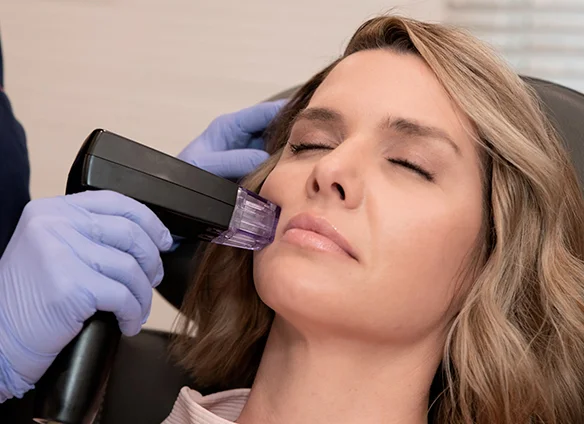
Morpheus8 creates controlled micro-injuries while delivering radiofrequency energy into targeted skin layers. This process stimulates the body’s natural repair response and supports collagen and elastin remodeling.
During the early recovery phase, the skin barrier temporarily becomes more sensitive. This is why gentle cleansing, appropriate moisturisation, and protection from environmental exposure are important.
As the skin settles, superficial roughness or tiny crust-like areas may appear in some people. These should not be picked or aggressively exfoliated because removing them prematurely can increase irritation and interfere with normal healing.
When Does Redness Go Away After Morpheus8?
Redness is one of the most common short-term effects after treatment. It can resemble mild sunburn and may be accompanied by warmth or tightness.
The intensity and duration vary between individuals. A stronger treatment setting may produce more noticeable inflammation, while people with sensitive or reactive skin may remain red for longer.
Using only skincare products recommended by a qualified professional can help avoid unnecessary irritation during this period.
Can You Return to Work After Morpheus8?
Many people can resume routine activities relatively quickly, particularly when treatment has been performed at a moderate intensity. However, the skin may remain visibly pink or slightly swollen during the first few days.
Those who work in air-conditioned offices may notice increased dryness or tightness, while people who spend considerable time outdoors need to be particularly careful about sun exposure.
Planning treatment several days before an important event can provide additional time for visible irritation to settle.
Factors That Can Affect Morpheus8 Healing Time
Recovery does not follow exactly the same schedule for everyone. Several factors can influence how quickly the skin returns to its normal appearance.
These include:
- Treatment intensity: Deeper or more intensive treatments may require longer recovery.
- Skin sensitivity: Reactive skin can remain irritated for an extended period.
- Treatment area: Facial skin and body areas may respond differently.
- Existing skin condition: Dryness or an impaired skin barrier may affect comfort during recovery.
- Aftercare: Following professional instructions can reduce avoidable irritation.
- Sun exposure: UV exposure can worsen inflammation and increase the risk of unwanted pigmentation.
- Individual healing response: Age, skin characteristics, and general healing patterns can influence recovery.
How Can You Support Skin Recovery After Morpheus8?
Aftercare should focus on protecting the skin barrier rather than introducing aggressive products. A simple routine is generally easier for recently treated skin to tolerate.
Useful precautions may include:
- Cleanse gently without scrubbing the treated area.
- Use a suitable moisturiser to support hydration.
- Apply broad-spectrum sunscreen as advised by your treatment provider.
- Avoid unnecessary heat exposure during the early recovery period.
- Delay exfoliating acids, retinoids, and other potentially irritating products until advised.
- Avoid picking, scratching, or peeling areas of treated skin.
- Follow the specific aftercare instructions provided for your treatment settings.
When Should You Expect the Final Results?
Recovery and results are two different stages. The surface of the skin may settle within days, but deeper collagen remodeling takes considerably longer.
Some people notice early changes in texture or firmness as the skin recovers. More gradual improvements can develop over the following weeks as collagen production and tissue remodeling continue.
Multiple sessions may be recommended for certain skin concerns, with the treatment plan depending on the individual’s goals, skin condition, and professional assessment.
When Should You Contact a Professional?
Mild redness, swelling, tenderness, and sensitivity can be expected after Morpheus8. However, symptoms that become increasingly severe rather than gradually improving should be assessed by a qualified medical professional.
Seek professional advice if you experience unusual or persistent swelling, significant pain, spreading redness, blistering, signs of infection, or unexpected changes in skin colour.
Conclusion
Morpheus8 recovery is generally measured in days for the most visible surface effects, while deeper skin remodeling continues for several weeks. Most people see redness and sensitivity improve progressively during the first week, although the exact timeline depends on treatment intensity, skin characteristics, and aftercare.
Understanding the difference between initial healing and collagen remodeling makes it easier to plan treatment and evaluate results realistically. Professional assessment and personalised aftercare remain important for supporting safe recovery and healthy-looking skin.