
 Written by
 Pregnancy, major weight loss, aging, and genetics can all leave the midsection looking very different from what a person remembers or hopes for. Diet and exercise do wonders for many parts of the body, yet some changes simply refuse to budge no matter how disciplined you are. Stretched muscles and loose skin do not respond to crunches. For many people exploring Tummy Tuck in Islamabad the real motivation is not vanity but a desire to feel at home in their own body again.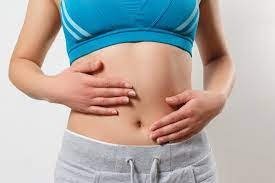
The Stubborn Truth About Midsection Changes
Imagine spending a year at the gym, eating carefully, and still seeing a soft bulge below the navel. The frustration is real, and it is rarely about effort. The abdominal wall is made of muscle, connective tissue, fat, and skin, and each of these layers can be affected differently.During pregnancy, the vertical muscles of the abdomen can separate, a condition known as diastasis recti. After dramatic weight loss, skin that stretched over months or years may lack the elasticity to bounce back. With age, collagen declines and the tissues slowly relax. No amount of dieting can tighten separated muscles or remove excess skin, which is where surgery enters the conversation.
What Is a Tummy Tuck?
A tummy tuck, medically called abdominoplasty, is a surgical procedure that removes excess skin and fat from the abdomen and tightens the underlying muscles. The result is a flatter, firmer, and smoother midsection with a more defined contour.It is important to understand what this surgery is and what it is not. It is a body contouring procedure, not a weight loss method. The best outcomes belong to people who are already near a stable, healthy weight and want to refine their shape rather than lose a large number of kilograms.
Types of Tummy Tuck Procedures
Not every midsection needs the same approach, and surgeons usually recommend one of several techniques depending on the patient’s anatomy.
Full Abdominoplasty
This is the most comprehensive option. A horizontal incision is made low on the abdomen, usually hidden within the bikini line, and a second incision may be made around the navel. The surgeon removes excess skin and fat, repairs separated muscles, and repositions the navel for a natural look. It suits people with loose skin and muscle weakness above and below the navel.
Mini Abdominoplasty
A mini tummy tuck focuses on the area below the navel. The incision is shorter, recovery tends to be quicker, and the navel usually stays in place. It works well for patients with a small pocket of lower abdominal fullness and relatively good skin tone above.
Extended Abdominoplasty
This version continues the incision around the sides of the hips to address excess tissue along the flanks. It is often considered for patients who have lost a significant amount of weight and have looseness extending beyond the front of the abdomen.
Tummy Tuck Combined With Liposuction
Many surgeons pair abdominoplasty with liposuction to refine the waist and flanks. Removing stubborn fat pockets while tightening the muscle and skin can create a smoother transition between the abdomen and surrounding areas.
Who Makes a Good Candidate?
The ideal candidate is generally an adult in good overall health who has stable weight and realistic expectations. People who are nonsmokers or willing to quit before surgery tend to heal better, since smoking restricts blood flow and increases the risk of complications.Women who plan future pregnancies are usually advised to wait, because another pregnancy can undo the muscle repair and stretch the skin again. Anyone with uncontrolled medical conditions such as diabetes or high blood pressure should have those managed before considering surgery. A thorough consultation helps the surgeon decide whether the procedure is safe and suitable.
Preparing for Surgery
Preparation begins weeks before the operation. Your surgeon will review your medical history, perform a physical examination, and may order blood tests. You may be asked to stop certain medications and supplements, especially those that thin the blood, and to avoid smoking and alcohol.Arranging help at home is just as important as the medical preparation. You will need someone to drive you home, assist with daily tasks for the first few days, and keep an eye on your comfort. Stocking the kitchen with easy meals, preparing a restful recovery space with extra pillows, and organizing loose clothing will make the first week far smoother.
What Happens During the Procedure?
A tummy tuck is performed under general anesthesia and typically takes between two and four hours, depending on the extent of the work. The surgeon makes the planned incisions, lifts the skin flap, tightens the abdominal muscles with sutures, removes the excess skin, and closes the incisions in layers. Small drains may be placed to collect fluid, and a compression garment is applied afterward to support healing.
Recovery: What to Expect
Recovery is a gradual process, and patience is part of the deal. The first few days involve soreness, swelling, and tightness, which are managed with prescribed medication. Most patients walk slightly bent forward at first and slowly straighten as the tissues relax.Light walking is encouraged early because it supports circulation and lowers the risk of blood clots. Most people return to desk work within two to three weeks, while strenuous exercise and heavy lifting usually wait for six to eight weeks or until the surgeon gives clearance. Swelling can linger for several months, so the final contour reveals itself slowly. Wearing the compression garment as directed and attending every follow-up visit are among the most helpful things you can do.
Understanding Scars
Every tummy tuck leaves a scar, and honest surgeons will say so upfront. The incision is placed low so that it can be hidden under underwear or swimwear. Scars are red and firm at first, then fade and flatten over many months. Following scar care instructions, protecting the area from the sun, and avoiding tension on the incision all help the scar mature as discreetly as possible.
Risks and How to Reduce Them
Like any major surgery, abdominoplasty carries risks, including infection, bleeding, fluid collection, delayed wound healing, numbness, and reactions to anesthesia. Blood clots are a serious but uncommon concern, which is why early movement matters.Choosing a qualified, experienced surgeon, operating in an accredited facility, and following every pre and post operative instruction greatly reduce these risks. Be wary of providers who promise perfect results, downplay complications, or offer unusually low prices without clear explanation.
Choosing the Right Surgeon
The surgeon you choose shapes your results more than any other factor. Look for proper board certification in plastic surgery, a strong record of abdominoplasty cases, and clear before and after photos of real patients. A good consultation feels educational rather than pushy. The surgeon should listen to your goals, explain the options, discuss risks openly, and tell you if you are not a suitable candidate.Ask where the surgery will be performed, who will administer anesthesia, and how emergencies are handled. These questions are not rude, they are part of being a responsible patient.
Maintaining Your Results
A tummy tuck gives you a new foundation, but your habits protect it. Significant weight gain or loss after surgery can alter the contour, so maintaining a stable weight is key. Balanced nutrition, regular exercise including core strengthening once cleared, good hydration, and adequate sleep keep the midsection looking its best for years.
Emotional Benefits Beyond Appearance
Many patients report that the biggest change is not what they see in the mirror but how they feel. Clothes fit better, confidence improves, and everyday activities like swimming or dressing for an event become less stressful. At the same time, it is wise to keep expectations grounded. Surgery improves shape, but it does not solve every concern, and emotional readiness matters as much as physical readiness.
Conclusion
Tummy tuck surgery offers a lasting solution for people whose midsection has been reshaped by pregnancy, weight loss, or aging in ways that diet and exercise cannot correct. By removing excess skin and fat and tightening weakened muscles, abdominoplasty creates a flatter, firmer, and more balanced contour. Success depends on realistic expectations, careful preparation, a skilled and honest surgeon, and a patient approach to recovery. Understand the types of procedures, accept the reality of scarring and downtime, and commit to healthy habits afterward. With the right guidance and a well-informed decision, a tummy tuck can help you move through life with greater comfort, confidence, and pride in your own body.
Read More :
https://www.pikumil.com/blogs/212451/Modern-Tummy-Tuck-Surgery-for-a-Refined-Waistline-in-Islamabad