
 Written by
Hair thinning can affect adults at different stages of life, and finding a suitable treatment depends on the cause, pattern, and severity of hair loss. Low-level laser therapy is a non-surgical option that uses specific wavelengths of light to support existing hair follicles and encourage healthier hair growth. People considering Laser Hair Therapy for Hair Loss in Dubai should first understand whether their scalp condition is suitable for this approach. Although the treatment may benefit some men and women with hereditary pattern hair loss, it is not appropriate for every type of hair shedding. A professional assessment can help identify suitable candidates and establish realistic expectations about possible results.
Understanding How Laser Hair Therapy Works
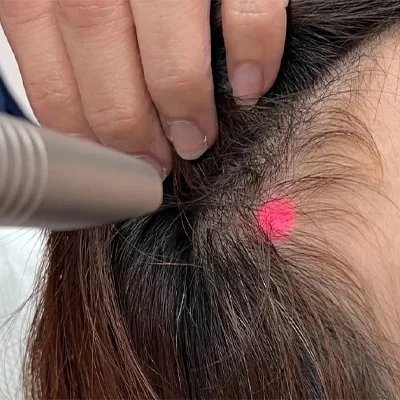
Laser hair therapy, also known as low-level laser therapy or red light therapy, uses controlled light energy directed towards the scalp. This process is sometimes called photobiomodulation. The light is absorbed by cells around the hair follicles and may influence cellular activity involved in the hair growth cycle. Researchers believe it can help support follicles that have become weakened or miniaturised. The treatment does not involve surgery, injections, or removing hair from another part of the body. Instead, it aims to improve the activity of existing follicles that are still capable of producing hair. Its effectiveness depends on the device, treatment schedule, and underlying cause of hair loss.
Adults With Hereditary Pattern Hair Loss
Adults experiencing androgenetic alopecia, commonly known as male-pattern or female-pattern hair loss, are among the main groups considered for low-level laser therapy. This condition is influenced by genetic and hormonal factors and usually develops gradually. Men may notice a receding hairline, thinning around the crown, or reduced density on the top of the scalp. Women often experience a wider parting or general thinning across the upper scalp. Laser therapy may help some people with this condition by supporting follicles that are still present but producing thinner strands. However, results vary, and treatment is generally more promising when started before extensive follicle loss has occurred.
People Experiencing Early Hair Thinning
People who notice early signs of thinning may be suitable candidates for laser therapy after receiving a proper diagnosis. Early thinning can appear as reduced volume, a widening hair part, increased scalp visibility, or gradual changes around the hairline. At this stage, many follicles may still be active, even if they are producing finer hairs than before. Supporting these follicles may help improve hair density in some individuals. However, early hair loss can also result from nutritional deficiencies, illness, stress, hormonal changes, or medication. Identifying the cause is essential because laser therapy may not address these underlying problems. A scalp examination can help determine whether the treatment is appropriate.
Men and Women With Thinning Hair
Low-level laser therapy has been studied in both men and women with hereditary hair loss. Men may be considered when thinning affects the temples, frontal scalp, or crown, while women may be assessed when hair density decreases across the top of the head. The pattern and severity of hair loss can influence the expected response. Some individuals may notice improved hair thickness or density, while others may experience little change. Being suitable for treatment does not mean that everyone will achieve the same results. A professional should consider the individual’s scalp condition, medical history, and treatment goals before recommending a particular device or schedule.
People With Active Hair Follicles
The condition of the hair follicles is one of the most important factors when assessing suitability. Laser therapy is intended to support existing follicles rather than create new ones. People with thinning hair may still have miniaturised follicles that produce fine or weak strands. These follicles may have the potential to respond to treatment. In contrast, areas where follicles have been permanently destroyed or replaced by scar tissue are unlikely to benefit in the same way. Advanced baldness may also limit the potential for visible improvement. A healthcare professional can examine the scalp and assess whether enough active follicles remain for laser therapy to be a reasonable option.
People Looking for a Non-Surgical Hair Loss Option
Some adults prefer to explore non-surgical treatments before considering hair transplantation or other procedures. Low-level laser therapy may appeal to people who want an approach that does not require incisions, anaesthesia, or a surgical recovery period. Sessions are generally comfortable, and most individuals can return to their normal activities afterwards. Depending on the device, treatment may be provided in a professional setting or through a suitable home-use system. However, non-surgical does not mean that the treatment is guaranteed to work. People should understand the possible limitations, follow the recommended schedule, and avoid choosing devices based only on advertising claims.
Individuals With Realistic Treatment Expectations
A suitable candidate should understand that hair growth takes time and that results can be gradual. Laser therapy may improve hair density or thickness in some people, but it cannot guarantee complete hair restoration. It is also not designed to recreate a full head of hair in areas where follicles are permanently lost. People expecting immediate or dramatic changes may feel disappointed if their results are modest. A realistic treatment goal may involve improving the appearance of existing hair, supporting follicle activity, or managing early thinning. Discussing expectations before beginning treatment helps individuals make informed decisions and understand how progress will be evaluated.
People Able to Follow a Consistent Treatment Schedule
Consistency is important because low-level laser therapy generally requires repeated exposure over time. The recommended frequency and duration depend on the specific device and its instructions. Some systems are designed for use several times a week, while professional treatment plans may follow a different schedule. People who can follow the recommended routine may be better positioned to assess whether the treatment is helping. Occasional use may not provide the same results as the schedules evaluated in clinical studies. It is also important not to increase exposure time or frequency without professional guidance. Regular follow-up can help assess progress and determine whether the treatment plan should continue.
People Who May Benefit From Combining Treatments
Some individuals may be suitable for laser therapy as part of a broader hair loss management plan. Depending on the diagnosis, a healthcare professional may discuss combining it with established options such as minoxidil or other appropriate treatments. Different treatments work through different mechanisms, so a combined approach may be considered when one option alone does not meet the individual’s needs. However, combining treatments does not guarantee better results, and not every product or procedure is suitable for everyone. Prescription medicines may have side effects or specific restrictions. A personalised plan should take account of age, medical history, pregnancy considerations, existing medication, and the pattern of hair loss.
Who May Not Be an Ideal Candidate?
People experiencing sudden, unexplained, or patchy hair loss should not begin laser therapy without first identifying the cause. Sudden shedding may be related to illness, stress, childbirth, nutritional deficiencies, thyroid conditions, or medication changes. Patchy hair loss may be associated with autoimmune conditions such as alopecia areata. Scarring hair loss can permanently damage follicles and requires medical assessment because early treatment may be important. People with active scalp infections, significant inflammation, or unexplained scalp symptoms should also receive appropriate care before considering laser treatment. In addition, certain medications and medical conditions can increase sensitivity to light, so suitability and device safety should be reviewed with a healthcare professional.
The Importance of a Professional Scalp Assessment
A scalp assessment helps determine whether laser therapy is likely to be useful. During the consultation, a healthcare professional may ask when the hair loss began, whether it is progressing, and whether close relatives have experienced similar thinning. The scalp may be examined to identify the pattern of hair loss, follicle condition, and signs of inflammation or scarring. Depending on the symptoms, blood tests may be recommended to investigate possible iron deficiency, thyroid problems, or other contributing conditions. This process helps distinguish hereditary hair loss from temporary shedding and other medical causes. It also provides an opportunity to discuss treatment choices, expected outcomes, possible side effects, and the recommended schedule.
Conclusion
The ideal candidate for laser hair therapy is generally an adult with early or moderate hereditary pattern hair loss, existing active follicles, and realistic expectations about gradual improvement. Both men and women may be considered, particularly when thinning is affecting the hairline, crown, or overall scalp density. However, the treatment is not suitable for every cause of hair loss and may provide limited benefits in areas where follicles have been permanently damaged. A professional scalp assessment is important before beginning sessions. By identifying the underlying condition and reviewing available options, individuals can make a more informed decision about whether laser therapy is appropriate for their hair restoration goals.
Frequently Asked Questions
Is laser hair therapy suitable for both men and women?
Yes. Low-level laser therapy has been studied in men and women with hereditary pattern hair loss. Suitability depends on the type of thinning, follicle condition, medical history, and individual treatment goals.
Is laser therapy suitable for early hair loss?
It may be suitable for some people with early pattern hair loss because active follicles may still be present. Early assessment can help identify the cause of thinning and determine whether laser treatment is an appropriate option.
Can people with advanced baldness benefit from laser hair therapy?
People with advanced baldness may experience limited improvement because laser therapy works by supporting existing follicles. It cannot recreate follicles that have been permanently destroyed.
Can laser hair therapy treat all types of hair loss?
No. The strongest evidence relates to hereditary pattern hair loss. Other conditions, such as alopecia areata, temporary shedding, nutritional deficiencies, and scarring alopecia, may require different treatments.
Does age affect suitability for laser hair therapy?
Age alone does not determine suitability. The pattern and cause of hair loss, overall health, scalp condition, and presence of active follicles are more important factors when assessing whether treatment may help.
Can people with sensitive scalps receive laser hair therapy?
Some people with sensitive scalps may still be suitable, but the reason for the sensitivity should be assessed first. Active inflammation, infection, or light sensitivity may require additional precautions or alternative treatment.
Can laser therapy be combined with minoxidil?
It may be considered alongside minoxidil for certain types of pattern hair loss. A healthcare professional can determine whether using both treatments is appropriate based on individual needs and medical history.
How can someone know if they are a good candidate?
A professional scalp examination can help identify the type and severity of hair loss and assess whether active follicles remain. The assessment may also include a review of medical history and relevant tests.
Does laser hair therapy require recovery time?
Most low-level laser therapy sessions do not require significant downtime. People can generally return to their usual activities after treatment, although they should follow the instructions for their specific device.
Are results guaranteed for suitable candidates?
No. Even people who meet the usual suitability criteria may respond differently. Some experience improvements in hair density or thickness, while others notice little change. Regular treatment and follow-up help evaluate individual progress.