
 Written by
A softly defined jawline can change the entire balance of the face, and many people feel that a fullness beneath the chin makes them look heavier or older than they really are. Because the cause of that fullness varies from person to person, the right solution does too. Terms such as fat reduction, submental contouring, and liposuction are often used interchangeably, which creates confusion for patients. Anyone exploring Double Chin Removal in Islamabad will quickly notice that the phrase covers several different treatments, while chin liposuction is only one of them. This guide explains how the two terms differ, who each approach suits, and what to expect before you decide.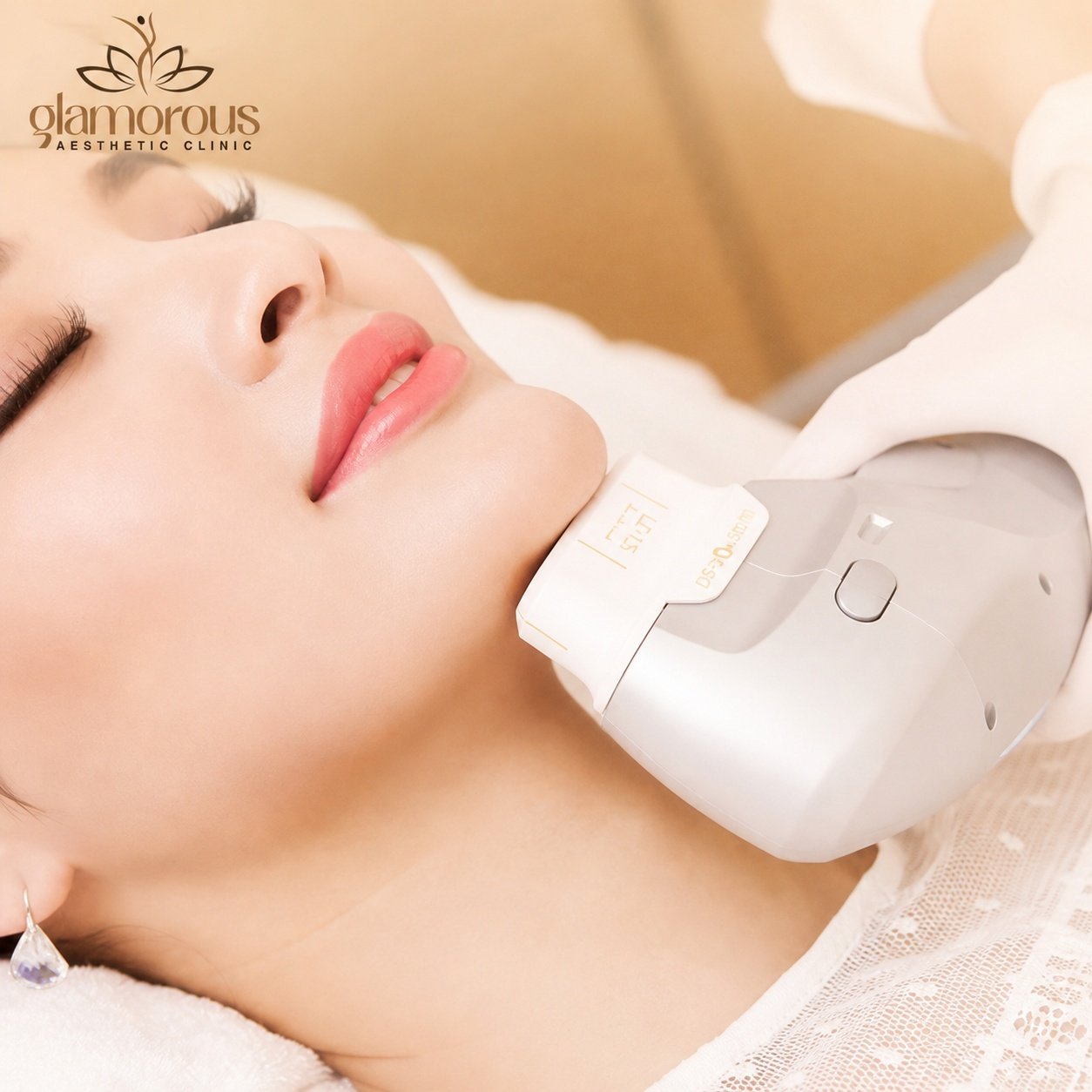
Understanding What Causes a Double Chin
A double chin, medically called submental fullness, is not always the result of being overweight. Genetics play a major role, and some slim people carry fat beneath the chin simply because of inherited facial structure. Aging contributes as well, since skin loses collagen and elasticity, and the muscles of the neck can begin to sag.Other contributors include weight gain, a recessed or small chin, poor posture, and loose neck bands. Because the cause determines the best treatment, a proper assessment matters more than choosing a procedure by name.
What Does Double Chin Removal Mean?
Double chin removal is a broad, general term. It describes any treatment aimed at reducing fullness under the chin, whether surgical or non-surgical. It is a goal rather than a specific procedure.Options under this umbrella include fat-dissolving injections, cryolipolysis (fat freezing), radiofrequency skin tightening, ultrasound-based devices, thread lifts, and liposuction itself. Some treatments reduce fat, others tighten skin, and some do both. This is why two people who both say they want double chin removal may receive completely different treatment plans.
What Is Chin Liposuction?
Chin liposuction is a specific surgical technique. A small incision is made beneath the chin or behind the ears, and a thin hollow tube called a cannula is used to suction out fat from the submental area. The procedure is usually performed under local anesthesia, with or without sedation, and typically takes under an hour.Because fat cells are physically removed, the change is lasting in the treated area. The surgeon can also sculpt the region to define the jawline and the angle between the chin and neck.
The Key Differences at a Glance
The main distinction is scope. Double chin removal is the overall objective, while chin liposuction is one method of achieving it. Liposuction is more invasive, delivers faster and more dramatic fat reduction, and usually requires a single session. Non-surgical alternatives involve no incisions, have shorter downtime, but often need multiple sessions and produce more gradual, modest changes.Another difference lies in what each approach treats. Liposuction removes fat but does not tighten loose skin. Some non-surgical options, such as radiofrequency, focus on tightening. Choosing between them depends on whether your concern is fat, skin laxity, or a combination of both.
Non-Surgical Double Chin Removal Options
Fat-Dissolving Injections
These injections contain a compound that breaks down fat cells in the treated area, which the body then clears naturally. Most people need a series of sessions spaced several weeks apart. Swelling, tenderness, and bruising are common for a few days and sometimes longer.
Cryolipolysis
This technique uses controlled cooling to freeze and destroy fat cells without cutting the skin. Results appear gradually over weeks to months. It suits people with a small, pinchable pocket of fat rather than significant fullness.
Radiofrequency and Ultrasound Treatments
Energy-based devices heat deeper skin layers to stimulate collagen production, tightening mildly loose skin and improving contour. They are often combined with fat reduction for a more complete result.
Thread Lifts and Skin Tightening
Absorbable threads can lift mild sagging and support collagen formation. They are more helpful where skin laxity is the main issue rather than excess fat.
Who Is a Good Candidate for Chin Liposuction?
Ideal candidates are generally healthy adults with localized fat under the chin, reasonably good skin elasticity, and stable weight. The skin should be able to retract after the fat is removed, which is why younger patients often achieve the smoothest outcomes.People with significant skin sagging, prominent neck bands, or a very weak chin structure may need additional procedures such as a neck lift or chin augmentation. Individuals with bleeding disorders, uncontrolled medical conditions, active infections, or unrealistic expectations may not be suitable. A thorough consultation is the only reliable way to decide.
Who May Prefer Non-Surgical Options?
Those with mild to moderate fullness, a fear of surgery, or a busy schedule that leaves little room for recovery often choose non-surgical treatments. They are also popular among people who want subtle refinement rather than a dramatic change. The tradeoff is that results are usually less pronounced and may require several sessions and maintenance.
Benefits of Each Approach
Chin liposuction offers lasting removal of fat cells, a sharper jawline, and results from a single session. It is a relatively quick procedure with small, discreet incisions.Non-surgical options offer minimal downtime, no surgical scars, and lower perceived risk. They allow gradual changes that many people find natural. Both approaches can improve confidence and balance facial proportions when matched to the right patient.
Limitations and Possible Risks
Neither approach is a weight loss method, and neither can replace a healthy lifestyle. Liposuction carries surgical risks, including swelling, bruising, numbness, contour irregularities, infection, and, rarely, injury to nerves. Skin may appear loose if elasticity is poor.Non-surgical treatments may cause redness, swelling, tenderness, and temporary numbness. Fat-dissolving injections carry a risk of nerve irritation if poorly administered, and cryolipolysis can occasionally cause delayed fat enlargement in the treated area. Choosing a qualified practitioner reduces these risks significantly.
Recovery and What to Expect
After chin liposuction, most patients experience swelling and bruising for one to two weeks. A compression garment is usually worn for several days to weeks to help the skin adapt. Many people return to routine activities within a few days, although the final contour continues to refine over two to three months.Non-surgical treatments typically involve minimal downtime, with mild swelling or redness settling within days. Results develop slowly, so patience is important regardless of the method chosen.
Realistic Expectations
No treatment can create a perfectly sculpted jawline for everyone. Results depend on bone structure, skin quality, age, and weight stability. Fat removed from the area does not return, but remaining fat cells can still enlarge if you gain weight later. A responsible practitioner will show you what is achievable and may recommend combining treatments for the most natural result.
Choosing the Right Clinic and Practitioner
Look for licensed professionals with experience in facial and neck contouring, a clean and well-equipped environment, and a transparent approach to risks and pricing. Ask to see realistic before-and-after photographs and request a clear explanation of why a specific option is recommended for you. Be cautious of anyone who promises guaranteed results or pushes a single treatment without examining you properly.
Conclusion
Double chin removal is the goal, while chin liposuction is one of several ways to reach it. The best choice depends on whether your fullness comes from fat, loose skin, or underlying structure, as well as your preference for downtime, budget, and the degree of change you want. Liposuction suits those seeking a definitive reduction in a single session, while non-surgical options appeal to people who want gradual, low-downtime refinement. A careful consultation with a qualified practitioner ensures that your treatment matches your anatomy and expectations. With realistic goals and professional guidance, you can achieve a cleaner jawline and a more balanced profile that looks natural and feels like your own
Read More :
https://www.patreon.com/henry248/posts/can-fat-help-173439804?utm_medium=clipboard_copy&utm_source=copyLink&utm_campaign=postshare_creator&utm_content=join_link